
What Is the Temperature Danger Zone?
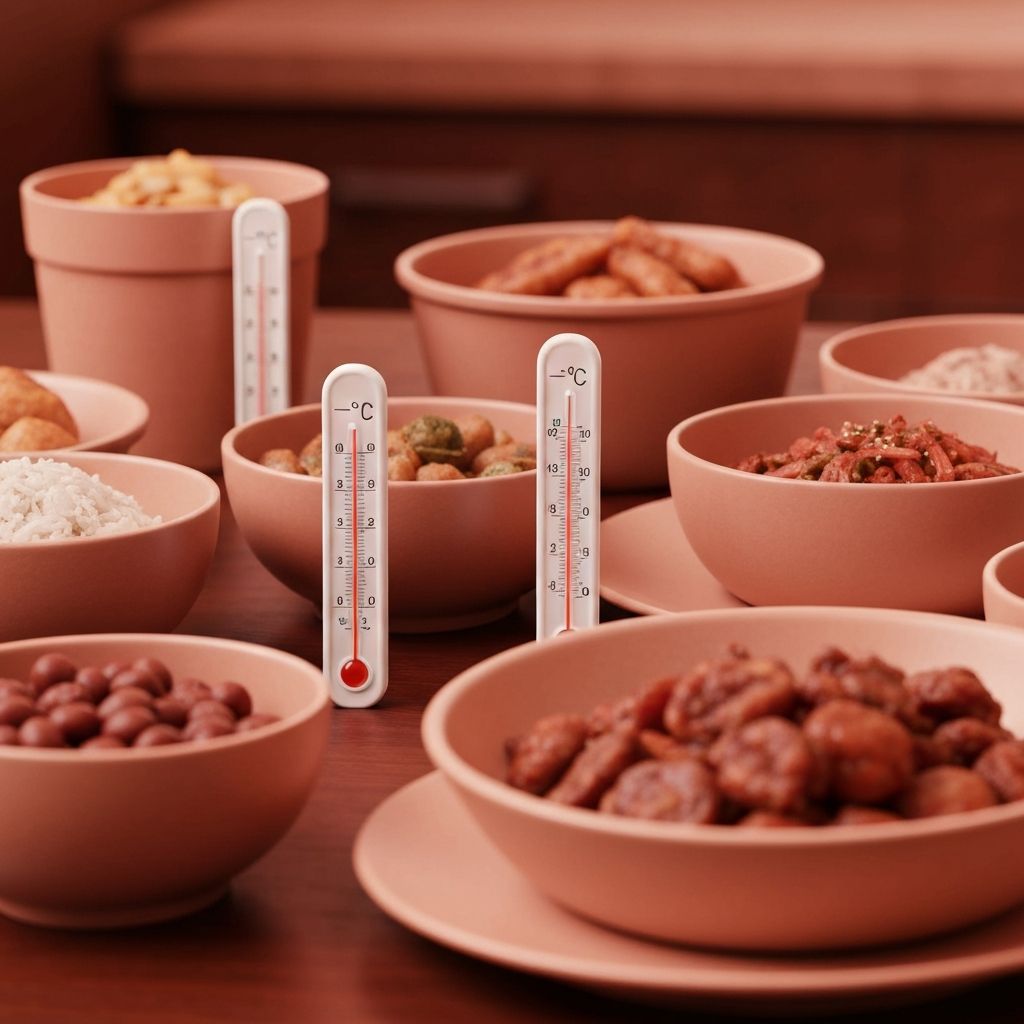
The temperature danger zone is a critical concept in food safety that every food handler, restaurant worker, and home cook should understand thoroughly. According to the United States Department of Agriculture (USDA) and the Food and Drug Administration (FDA), the temperature danger zone is the range between 40 degrees Fahrenheit (4 degrees Celsius) and 140 degrees Fahrenheit (60 degrees Celsius). Within this temperature range, harmful bacteria can multiply rapidly, potentially doubling in number every twenty minutes. This rapid bacterial growth significantly increases the risk of foodborne illness, making it essential to keep food outside of this danger zone as much as possible.
For hot held foods specifically, the danger zone becomes a concern when food that has been cooked to a safe temperature is allowed to cool below 140 degrees Fahrenheit during holding, serving, or display. This can happen in buffet settings, catering events, food trucks, and restaurant hot holding stations where food is kept warm for extended periods. Understanding which foods are most vulnerable and how to properly maintain safe temperatures is essential for preventing foodborne illness and ensuring the safety of everyone who consumes the food.
Hot Held Foods Most at Risk
Not all foods are equally susceptible to bacterial growth in the temperature danger zone. Foods that are high in protein and moisture are particularly vulnerable because they provide the ideal environment for bacteria to thrive. These high-risk foods are often referred to as TCS foods, which stands for Time and Temperature Control for Safety foods. Common hot held TCS foods that are most at risk include cooked meats such as beef, pork, chicken, and turkey, as well as cooked seafood including fish, shrimp, and shellfish. These protein-rich foods can harbor dangerous bacteria like Salmonella, E. coli, and Clostridium perfringens if not held at proper temperatures.
Other hot held foods that are frequently in danger include cooked rice, pasta, and other grain products. Cooked rice is particularly noteworthy because it can contain spores of Bacillus cereus, a bacterium that produces toxins causing vomiting and diarrhea. These spores can survive the cooking process and germinate rapidly if the rice is held in the temperature danger zone. Soups, stews, gravies, and sauces that contain meat, dairy, or other TCS ingredients are also at high risk. Dishes containing eggs, such as quiches, casseroles, and egg-based sauces, require careful temperature monitoring because eggs provide an excellent medium for bacterial growth.
Understanding Bacterial Growth in the Danger Zone
To fully appreciate the importance of keeping hot held food above 140 degrees Fahrenheit, it helps to understand how bacteria behave within the temperature danger zone. Bacteria are microscopic organisms that are present virtually everywhere in our environment, including on raw food, on surfaces, and on our hands. Most bacteria are harmless, but certain pathogenic bacteria can cause serious illness when consumed in sufficient quantities. These pathogenic bacteria thrive in warm, moist, protein-rich environments, which is precisely what the temperature danger zone provides.
At temperatures between 70 and 125 degrees Fahrenheit, bacteria multiply at their fastest rate, sometimes doubling every fifteen to twenty minutes. This means that a single bacterium can become millions within just a few hours if food is left in this temperature range. The toxins produced by some bacteria, such as Staphylococcus aureus and Bacillus cereus, are heat-stable, meaning they cannot be destroyed by reheating the food. This is why preventing bacterial growth in the first place is far more effective than trying to make contaminated food safe after the fact. Once a food has been in the danger zone for too long, no amount of cooking or reheating can guarantee its safety.
The Two-Hour and Four-Hour Rules
Food safety guidelines provide specific time limits for how long hot held food can remain in the temperature danger zone before it becomes unsafe to consume. The two-hour rule states that perishable food should not be left in the temperature danger zone for more than two hours total, including preparation, cooking, and serving time. If the ambient temperature is above 90 degrees Fahrenheit, such as at an outdoor summer event, this time limit is reduced to just one hour. After these time limits have been exceeded, the food should be discarded to prevent the risk of foodborne illness.
The four-hour rule, which is commonly used in commercial food service, provides a more structured approach to managing food that may enter the danger zone. Under this rule, food that has been in the temperature danger zone for less than two hours can be returned to proper hot or cold holding temperatures for later use. Food that has been in the danger zone for between two and four hours should be used immediately and not returned to holding. Food that has been in the danger zone for more than four hours must be discarded. These rules apply cumulatively, meaning the total time the food has spent in the danger zone across all instances is what matters, not just the most recent exposure.
How to Properly Hold Food at Safe Temperatures
Maintaining hot held food above 140 degrees Fahrenheit requires the right equipment and consistent monitoring practices. Commercial food service establishments typically use steam tables, heat lamps, chafing dishes, slow cookers, and warming ovens to keep food at safe temperatures during service. When using these holding methods, it is important to stir food regularly to distribute heat evenly and prevent cold spots from forming. Cover food with lids or heat-resistant wrapping to retain heat and prevent contamination from airborne particles.
Temperature monitoring is perhaps the most critical aspect of safe hot holding. Use a calibrated food thermometer to check the internal temperature of hot held foods at least every two hours, and ideally every thirty minutes. Insert the thermometer into the thickest or deepest part of the food to get an accurate reading, and check multiple spots to ensure even heat distribution. If you find that any portion of the food has dropped below 140 degrees Fahrenheit, you must reheat it to 165 degrees Fahrenheit within two hours or discard it. Never rely on the appearance, smell, or taste of food to determine whether it is at a safe temperature, as harmful bacteria can be present without any detectable signs.
Common Mistakes in Hot Food Holding
Several common mistakes can compromise the safety of hot held food, even when proper equipment is available. One of the most frequent errors is using holding equipment to reheat food rather than to maintain its temperature. Steam tables, heat lamps, and chafing dishes are designed to keep already hot food at a safe temperature, not to heat cold food up to safe levels. Food should always be fully cooked and heated to the appropriate temperature before being placed in hot holding equipment. Attempting to use holding equipment for reheating can result in food spending extended time in the temperature danger zone as it slowly warms up.
Another common mistake is overloading hot holding equipment or stacking food too deeply. When food is piled too high in a steam table pan or chafing dish, the food in the center and at the top may not maintain a temperature above 140 degrees Fahrenheit, even if the food at the bottom is properly heated. Use appropriately sized containers and maintain food at a depth that allows for even heat distribution. Avoid mixing fresh batches of food with older batches that have been sitting in the holding station, as this practice can contaminate the fresh food with bacteria that may have developed in the older batch. Instead, replace food in a clean container and rotate stock properly.
Food Safety Best Practices for Home and Commercial Settings
Whether you are hosting a dinner party, running a catering business, or managing a commercial kitchen, following food safety best practices for hot held food is essential for protecting the health of everyone who eats your food. Always cook food to the recommended minimum internal temperature before placing it in hot holding. For poultry, this means 165 degrees Fahrenheit. For ground meats, 160 degrees Fahrenheit. For whole cuts of beef, pork, lamb, and veal, 145 degrees Fahrenheit with a three-minute rest time. For reheated leftovers, 165 degrees Fahrenheit.
Invest in reliable food thermometers and calibrate them regularly to ensure accurate readings. Train all food handlers on proper hot holding procedures, temperature monitoring, and the time limits for food in the danger zone. Develop and follow a written food safety plan that includes specific protocols for hot holding, temperature logging, and corrective actions when temperatures fall below safe levels. When in doubt about the safety of hot held food, always err on the side of caution and discard the food. The cost of throwing away questionable food is far less than the potential consequences of serving food that has become contaminated with harmful bacteria. By maintaining vigilance and following established food safety guidelines, you can significantly reduce the risk of foodborne illness and ensure that hot held food remains safe for consumption.
