
High School Freshman Age: Everything You Need to Know
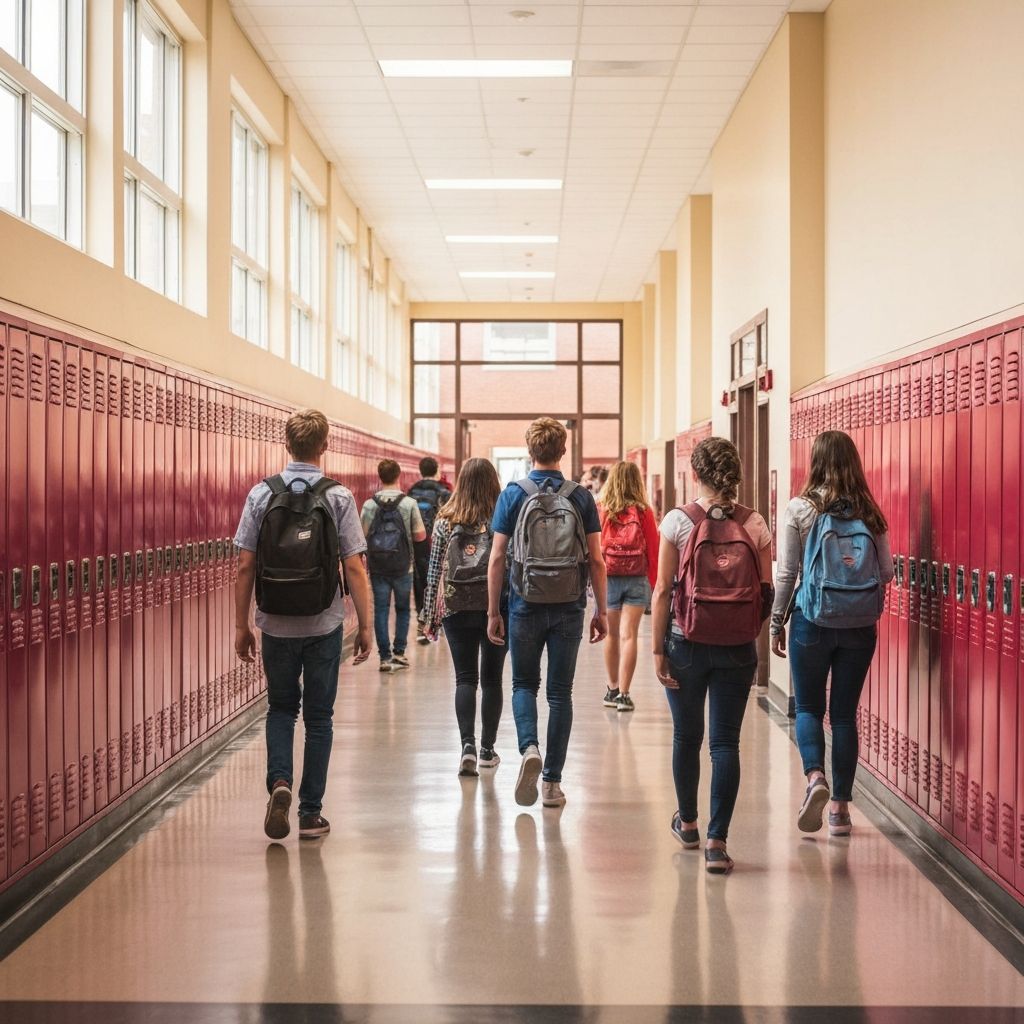
Starting high school is a major milestone in every student's educational journey. As a freshman, or ninth grader, students transition from middle school into a new environment with greater academic expectations, more extracurricular opportunities, and increased personal responsibility. One of the most frequently asked questions about this transition is: how old is a freshman in high school? While the answer seems straightforward, several factors can influence the age at which students begin their high school careers.
The typical high school freshman in the United States is 14 or 15 years old. Most students enter ninth grade at age 14 and turn 15 during their freshman year. This age range is based on the standard educational progression in the American school system, where children typically start kindergarten at age 5 or 6, progress through elementary school (grades K-5), middle school (grades 6-8), and begin high school in ninth grade. However, individual circumstances can result in freshmen being younger or older than this typical range.
Understanding the U.S. Grade System
To understand why freshmen are typically 14-15 years old, it helps to trace the educational timeline from the beginning. In the United States, children generally start kindergarten in the calendar year they turn 5, though exact requirements vary by state. Each state sets its own kindergarten entry age cutoff, which determines the youngest age at which a child can begin school in a given academic year.
The most common kindergarten cutoff date is September 1, meaning children must turn 5 on or before September 1 to start kindergarten that fall. However, cutoff dates vary significantly across states, ranging from as early as July 1 in some states to as late as January 1 of the following year in others. This means that two children born just days apart could start kindergarten in different years if they live in states with different cutoff dates, ultimately affecting when they become high school freshmen.
After kindergarten, students progress through 12 consecutive grades, one per year, under normal circumstances. Elementary school covers kindergarten through fifth grade (ages 5-11), middle school covers sixth through eighth grade (ages 11-14), and high school covers ninth through twelfth grade (ages 14-18). Ninth grade, the freshman year, is thus reached after completing 9 years of formal education, including kindergarten.
Factors That Affect Freshman Age
While most freshmen fall within the 14-15 age range, several factors can cause students to be younger or older when they start high school. Understanding these factors helps explain the age variation you might find in any given freshman class.
Academic redshirting is the practice of delaying a child's entry into kindergarten by one year, even though they meet the age requirement. Parents may choose to redshirt their child if they believe the child would benefit from an additional year of maturity before starting school. This practice is particularly common among parents of boys born in the months just before the kindergarten cutoff date. Redshirted students are typically one year older than their classmates throughout their educational career, entering high school as freshmen at age 15 and turning 16 during their freshman year.
Grade retention, commonly known as being held back, occurs when a student repeats a grade due to academic or developmental concerns. A student who has been retained once will be one year older than the typical age for their grade level. While retention can happen at any point in a student's education, it most commonly occurs in the early elementary grades. A retained student might enter high school as a freshman at age 15 or 16.
Conversely, grade skipping allows academically advanced students to move ahead by one or more grade levels. A student who has skipped a grade will be younger than their classmates, potentially entering high school as a freshman at age 13 or even 12 in rare cases. Grade skipping is less common than retention and typically requires evidence of exceptional academic ability and social maturity.
International students and immigrants may enter the U.S. school system at different ages due to varying educational structures in their home countries. Some countries start formal education earlier or later than the United States, and the grade placement of transfer students is often based on a combination of age, academic assessment, and language proficiency. This can result in international freshman students being either younger or older than their American-born peers.
The Freshman Experience at Different Ages
The age at which a student enters high school can have subtle but meaningful effects on their experience. Research has shown that relative age within a grade cohort can influence academic achievement, athletic participation, and social dynamics, particularly in the early high school years.
Students who are among the oldest in their freshman class may have certain advantages. They tend to be more physically mature, which can benefit them in athletics and physical education. Their additional emotional maturity may help them navigate the social complexities of high school more effectively. Some research suggests that older students within a grade tend to have higher academic achievement in the early grades, though this advantage typically diminishes over time.
Younger freshmen, particularly those who have skipped a grade, may face unique challenges. While they are academically advanced, they may be less socially and emotionally mature than their older classmates. The physical development differences can be particularly noticeable during the early teen years, when students are going through puberty at different rates. However, many younger freshmen thrive academically and socially with appropriate support from teachers and parents.
The vast majority of freshmen, regardless of their exact age, share the same challenges and opportunities. They're all adjusting to a new school environment, learning to manage a more demanding academic workload, exploring extracurricular interests, and beginning to think about their future educational and career goals. High school counselors and teachers are experienced in supporting students across the typical age range and can provide guidance to help all freshmen succeed.
High School Structure and Freshman Year
The freshman year of high school is designed as a transitional year that bridges the gap between middle school and the more rigorous academic environment of upper high school. Most high schools offer a core curriculum for freshmen that includes English 9 or freshman English, Algebra 1 or Geometry (depending on prior math placement), Biology or Earth Science, World History or Geography, a physical education or health requirement, and one or more elective courses.
Many high schools have freshman-specific programs and support systems designed to help ninth graders acclimate. Freshman academies, orientation programs, mentoring partnerships with upperclassmen, and dedicated freshman counselors are common strategies schools use to ease the transition. Some larger high schools even house freshmen in a separate wing or building to give them a more intimate learning environment while they adjust.
Extracurricular activities are an important part of the freshman experience. Most high school sports, clubs, and organizations are open to freshmen, though some have tryout or audition processes. Freshman sports teams often exist separately from junior varsity and varsity teams, giving ninth graders the opportunity to develop their skills in a less competitive environment. Participation in extracurricular activities is strongly correlated with academic success, social integration, and overall satisfaction with the high school experience.
Looking Ahead: The Four-Year Journey
As a freshman at 14 or 15 years old, students are beginning a four-year journey that will take them through some of the most formative years of their lives. By the time they graduate as seniors at age 17 or 18, they will have made significant academic, personal, and social growth. The decisions freshmen make about course selection, extracurricular involvement, and study habits can have lasting impacts on their college applications, career prospects, and personal development.
Understanding the typical age and developmental stage of high school freshmen helps parents, educators, and students themselves set appropriate expectations and provide the right level of support. Whether a freshman is 13, 14, 15, or 16, the most important factors for success are a supportive home environment, engaging educational experiences, positive peer relationships, and access to guidance and resources when challenges arise. Every freshman, regardless of age, deserves the opportunity to thrive in their high school journey.
