
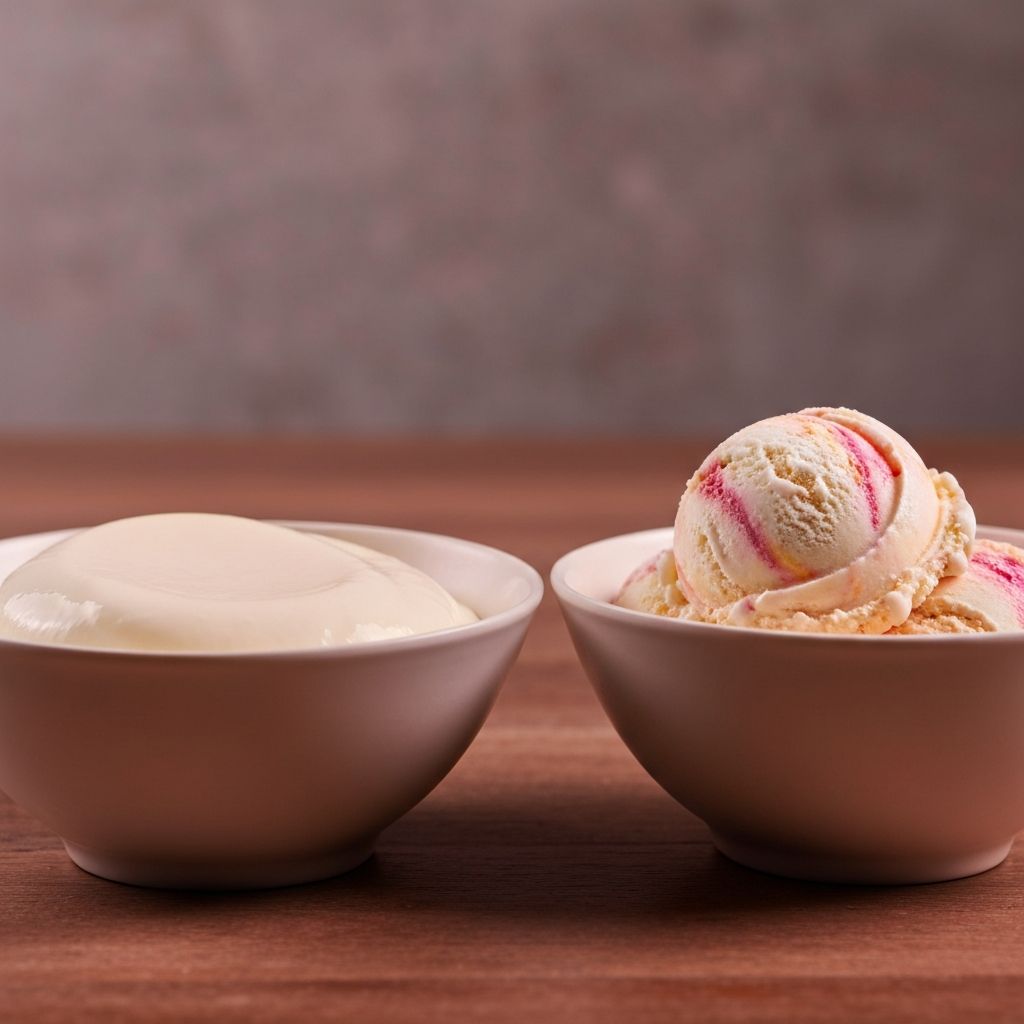
Custard vs. Ice Cream: Understanding the Distinction
Custard and ice cream are two of the most popular frozen desserts in the world, and while they may look similar at first glance, they are distinctly different products with unique characteristics. The confusion between the two is understandable; both are creamy, sweet, frozen treats that come in a variety of flavors and can be served in cones, cups, sundaes, and countless other formats. However, the differences in their ingredients, preparation methods, texture, and even regulatory definitions set them apart in meaningful ways. Understanding these differences can help you appreciate each dessert for its unique qualities and make informed choices based on your preferences.
The fundamental difference between custard and ice cream comes down to one key ingredient: egg yolks. While both custard and ice cream contain dairy (cream and milk), sugar, and flavorings, custard is distinguished by the addition of egg yolks to the base mixture. According to FDA regulations, frozen custard must contain at least 1.4 percent egg yolk solids by weight, in addition to meeting the same minimum of 10 percent milkfat required for ice cream. This seemingly small addition of egg yolks has a profound impact on the flavor, texture, and overall eating experience of the finished product.
The Role of Egg Yolks in Custard
Egg yolks are the defining ingredient that separates custard from ice cream, and they contribute to the final product in several important ways. First and foremost, egg yolks act as a natural emulsifier, thanks to the lecithin they contain. Lecithin helps blend the fat from the cream with the water from the milk into a stable, homogeneous mixture. This emulsification results in a smoother, more cohesive texture than what is typically achieved in eggless ice cream formulations.
The proteins in egg yolks also contribute to custard's distinctive body and mouthfeel. When the custard base is heated (a process essential for custard production), the egg proteins denature and form a network that thickens the mixture and adds a characteristic richness. This protein network also helps the custard retain its shape when scooped and resist melting as quickly as ice cream, giving custard a denser, more velvety consistency.
The fat content of egg yolks adds another layer of richness to custard. Egg yolks contain approximately 27 percent fat by weight, and this additional fat, combined with the cream, contributes to custard's exceptionally creamy texture and satisfying mouthfeel. The flavor of egg yolks also adds a subtle depth and warmth to custard that is not present in eggless ice cream. This is particularly noticeable in vanilla custard, where the egg yolks complement and enhance the vanilla flavor.
Texture Differences: Creamy vs. Dense
One of the most noticeable differences between custard and ice cream is their texture. Custard is generally denser, smoother, and creamier than ice cream. This difference is due to several factors related to the production process and the presence of egg yolks. Frozen custard is typically churned more slowly and with less air incorporation than ice cream. While ice cream can have an overrun (air content) of 50 to 100 percent or more, custard is usually kept to about 15 to 30 percent overrun. This lower air content means that custard is denser and heavier than an equivalent volume of ice cream.
The reduced air content in custard gives it a remarkably smooth and silky texture that coats the palate in a way that lighter, airier ice cream does not. When you eat a spoonful of frozen custard, the experience is noticeably different from eating ice cream. Custard feels thicker and more substantial on the tongue, and it melts more slowly in the mouth, allowing the flavors to linger longer. This density also means that a smaller serving of custard can be more satisfying than a comparable serving of ice cream.
Ice cream, by contrast, tends to be lighter and more refreshing due to its higher air content. The air makes ice cream easier to scoop (especially when cold) and gives it a lighter mouthfeel. While premium ice cream brands aim for lower overrun and richer texture, even the best ice cream is typically less dense than custard. The choice between the two often comes down to personal preference: some people prefer the light, refreshing quality of ice cream, while others prefer the rich, dense indulgence of custard.
Production and Serving Methods
The production methods for custard and ice cream differ in several key ways. Custard requires the ice cream base to be cooked before churning, as the egg yolks must be heated to a specific temperature (typically around 170 to 180 degrees Fahrenheit) to thicken the mixture and ensure food safety. This cooking process, known as making a custard base or creme anglaise, adds time and complexity to the production process but results in a superior final product.
Traditional frozen custard is also served differently from ice cream. In many custard shops, particularly those in the Midwest and along the East Coast, custard is made fresh daily and served at a slightly warmer temperature than ice cream (typically around 18 degrees Fahrenheit compared to ice cream's standard serving temperature of around 10 degrees Fahrenheit). This warmer serving temperature enhances the smooth, creamy texture and allows the flavors to be more pronounced.
Many frozen custard shops operate on a daily flavor rotation system, offering vanilla and chocolate as permanent flavors while featuring a different specialty flavor each day. This rotation creates excitement and encourages customers to visit regularly to try new flavors. Some famous custard shops, like Culver's, Freddy's, Shake Shack, and Kopps in Milwaukee, have built devoted followings based on the quality and variety of their frozen custard offerings.
Nutritional Comparison
From a nutritional standpoint, custard and ice cream are relatively similar, though custard tends to be slightly higher in calories and fat due to the addition of egg yolks and its denser composition. A typical half-cup serving of vanilla frozen custard contains approximately 200 to 250 calories, 12 to 15 grams of fat, and 20 to 25 grams of sugar. A comparable serving of vanilla ice cream contains approximately 130 to 200 calories, 7 to 12 grams of fat, and 15 to 20 grams of sugar.
However, the denser nature of custard means that a smaller serving may be more satisfying, potentially leading to lower overall consumption. The egg yolks in custard also contribute additional nutrients that are not present in eggless ice cream, including vitamin D, vitamin B12, choline, selenium, and additional protein. These nutritional benefits are modest but worth noting for those who are comparing the two desserts from a health perspective.
Both custard and ice cream should be enjoyed in moderation as part of a balanced diet. Neither is a health food, and both are high in saturated fat and added sugars. However, choosing premium products made with real, whole ingredients (real cream, real vanilla, real eggs) over products made with artificial ingredients and excessive additives is generally the better choice from both a nutritional and taste perspective.
Regional Traditions and Popular Brands
Frozen custard has strong regional associations in the United States. It is particularly popular in the Midwest (especially Wisconsin, where it is considered the unofficial state dessert), along the East Coast (particularly in New York and the mid-Atlantic region), and in certain parts of the South. Some of the most famous frozen custard establishments in the country include Kopp's and Leon's in Milwaukee, Ted Drewes in St. Louis, and Abbott's in Rochester, New York.
National chains have also helped popularize frozen custard beyond its traditional strongholds. Culver's, founded in Sauk City, Wisconsin, in 1984, has grown to over 900 locations across 26 states and is known for its ButterBurgers and fresh frozen custard. Shake Shack, which started as a hot dog stand in Madison Square Park in New York City, features frozen custard as a cornerstone of its menu. Freddy's Frozen Custard and Steakburgers is another national chain that has brought custard to a wider audience.
Ice cream, by contrast, is universally popular across the entire United States and the world. National and international brands like Ben and Jerry's, Haagen-Dazs, Baskin-Robbins, Blue Bell, and Tillamook dominate the market, while countless local and artisanal ice cream shops offer unique flavors and experiences in communities across the country.
Conclusion
The primary difference between custard and ice cream is the presence of egg yolks in custard, which gives it a richer flavor, denser texture, smoother mouthfeel, and slower melt rate compared to ice cream. Custard also has less air incorporated during churning, resulting in a heavier, more substantial dessert. Both are delicious frozen treats with their own unique qualities, and the choice between them often comes down to personal preference. Whether you prefer the light, refreshing quality of ice cream or the dense, velvety richness of custard, both offer an indulgent and satisfying dessert experience.
