
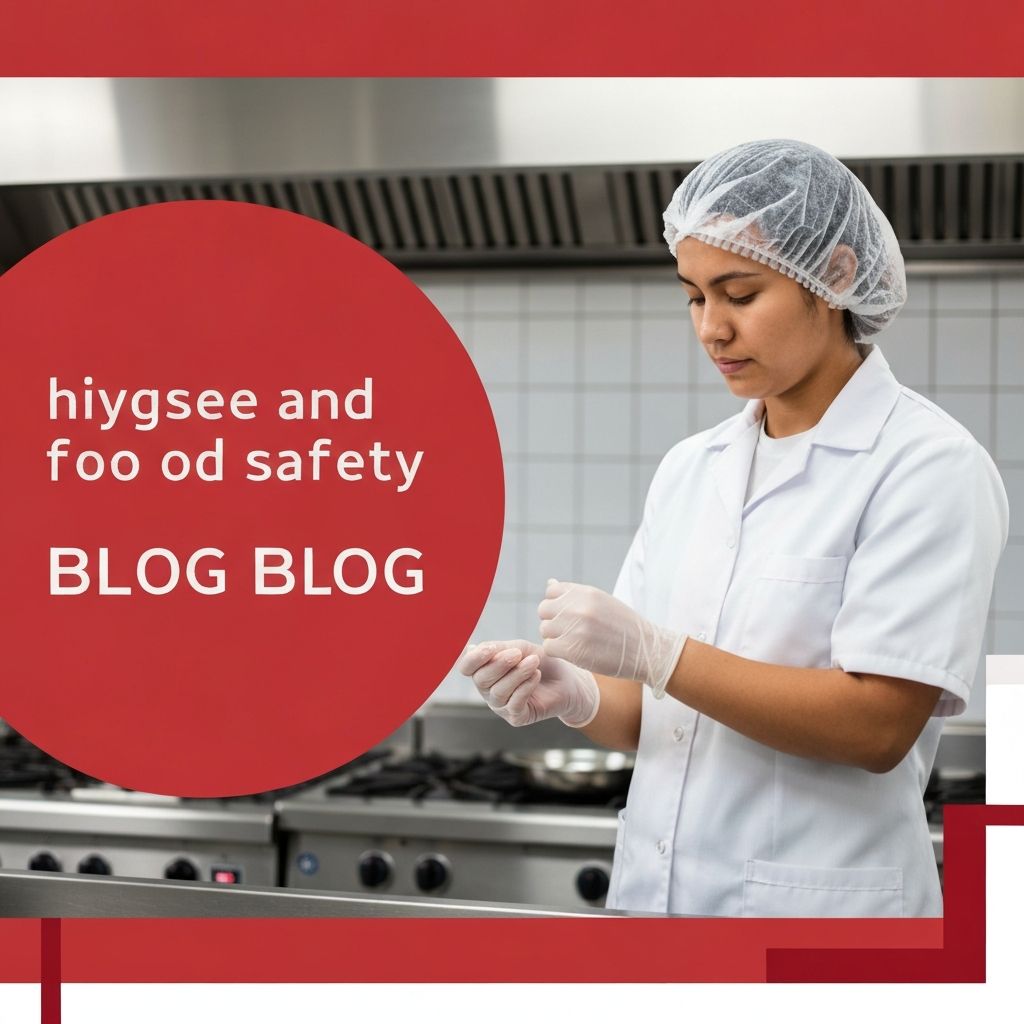
The Importance of Proper Glove Use in Food Service
Disposable gloves are a critical component of food safety in commercial food preparation environments. When used correctly, gloves create a barrier between food handlers' hands and the food they prepare, reducing the risk of transmitting pathogens, allergens, and other contaminants. However, gloves are only effective when they are changed at the right times and used in conjunction with proper hand washing.
The Food and Drug Administration (FDA) Food Code, which serves as the basis for most state and local food safety regulations, provides specific guidance on when food workers must change their gloves. Understanding and following these requirements is essential for maintaining food safety standards and protecting public health.
Before Beginning Food Preparation
Food workers must put on fresh gloves before starting any food preparation task. This seems obvious, but it is a critical first step that must always be preceded by thorough hand washing. The FDA Food Code requires hand washing before donning gloves because gloves are not a substitute for clean hands, they are an additional layer of protection.
The proper sequence is: wash hands thoroughly with soap and warm water for at least 20 seconds, dry hands completely with a single-use towel, and then put on a fresh pair of disposable gloves. Putting gloves on over unwashed or wet hands can trap bacteria against the skin and compromise the protective barrier that gloves are meant to provide.
Different tasks may require different types of gloves. While single-use latex, nitrile, or vinyl gloves are the most common in food service, the appropriate type depends on the task at hand and any allergy considerations. Nitrile gloves are increasingly preferred because they are latex-free (important for allergy prevention) and more resistant to punctures than vinyl.
When Switching Between Different Tasks
One of the most critical glove-changing rules involves switching between different food preparation tasks, particularly when moving between raw and ready-to-eat foods. Cross-contamination, the transfer of harmful bacteria from raw foods to foods that will not be cooked further, is one of the leading causes of foodborne illness in food service operations.
Food workers must change gloves when switching from handling raw meat, poultry, or seafood to handling ready-to-eat foods like salads, bread, or garnishes. The bacteria present on raw animal proteins (Salmonella, E. coli, Campylobacter, etc.) can survive on glove surfaces and transfer to ready-to-eat foods that consumers will eat without further cooking.
This rule also applies when switching between different types of raw proteins. Handling raw chicken and then switching to prepare raw fish with the same gloves could transfer poultry-specific pathogens to seafood. While both items will presumably be cooked, maintaining separation between different raw proteins is a fundamental food safety practice.
After Touching Non-Food Surfaces
Food workers must change gloves after touching any non-food surface during food preparation. This includes touching door handles, equipment controls, phones, point-of-sale terminals, cleaning supplies, and any other surface that could introduce contaminants to the food handling environment.
This requirement recognizes that non-food surfaces in a kitchen environment can harbor bacteria, chemicals, and other contaminants that should not come into contact with food. Even surfaces that appear clean can carry invisible pathogens that transfer easily to glove surfaces.
Taking out trash, busing tables, and handling dirty dishes are activities that particularly require glove changes before returning to food preparation. These tasks involve contact with surfaces and materials that are likely contaminated with food waste, bacteria, and potentially harmful substances.
After Touching the Face, Hair, or Body
Scratching, rubbing the nose, touching the hair, or any other contact with the face or body requires an immediate glove change. The human body naturally harbors millions of bacteria, many of which are harmless on the skin but can cause illness if transferred to food. Staphylococcus aureus, for example, is commonly found on the skin and in the nasal passages and is a significant cause of foodborne illness.
This rule can be challenging to enforce, as touching the face is often an unconscious habit. Food safety training programs emphasize awareness of this tendency and strategies for minimizing face and body contact during food preparation. Hair restraints and properly fitted uniforms help reduce the temptation to adjust hair or clothing during food handling.
Sneezing and coughing also require immediate glove changes, even if the worker sneezes into their elbow rather than their hands. The force of a sneeze can propel droplets onto glove surfaces, and any contact with the face during or after sneezing compromises glove integrity.
When Gloves Become Damaged or Soiled
Any visible damage to gloves, including tears, punctures, or holes, requires immediate replacement. Damaged gloves no longer provide the barrier protection they are designed for, and continuing to use them creates a false sense of security while potentially contaminating food.
Gloves that become visibly soiled, stained, or wet on the outside should also be changed. While some discoloration from food contact is normal, excessive soiling can indicate that the gloves are no longer providing adequate protection. Grease, marinades, and other liquids can compromise glove integrity over time.
Even without visible damage, gloves should be changed regularly during extended food preparation tasks. Most food safety guidelines recommend changing gloves at least every four hours of continuous use, as gloves can develop microscopic tears and permeations that are not visible to the naked eye. Longer periods of use increase the risk of contamination.
After Handling Money or Receipts
Currency and receipts are among the most contaminated objects in everyday circulation. Studies have found hundreds of different species of bacteria on paper currency, including potentially dangerous pathogens. Food workers who handle money or process payments must change gloves before returning to food preparation.
In many food service operations, this requirement is managed by designating specific workers for food preparation and separate workers for cash handling. When this separation is not possible, the worker must follow the complete hand washing and glove changing procedure each time they transition between handling money and preparing food.
This requirement has become more relevant with discussions about food safety in contexts like food trucks, farmer's market vendors, and small restaurants where the same person may take orders, process payments, and prepare food. Implementing efficient systems for transitioning between these tasks without compromising food safety is an ongoing challenge for small food businesses.
After Using the Restroom or Taking a Break
Food workers must always change gloves after using the restroom, regardless of whether they wore gloves into the restroom. This is preceded by thorough hand washing, which is a legal requirement in all food service operations. Most jurisdictions require a double hand wash: once in the restroom and again at a hand washing sink in the food preparation area before donning fresh gloves.
Returning from breaks, whether for eating, smoking, or rest, also requires fresh gloves. During breaks, workers are likely to touch various surfaces, their personal belongings, phones, and other items that could introduce contaminants. Fresh hand washing and new gloves are essential before resuming food preparation.
Proper Glove Removal and Disposal
How gloves are removed is almost as important as when they are changed. Improper removal can transfer contaminants from the outer glove surface to the hands, defeating the purpose of wearing gloves in the first place. The recommended technique involves pinching the outside of one glove near the wrist and peeling it off so it turns inside out, then holding the removed glove in the still-gloved hand, sliding a finger under the remaining glove at the wrist, and peeling it off over the first glove.
Used gloves should be disposed of in a designated waste container, never on food preparation surfaces or in recycling bins. After removing gloves, hands must be washed immediately, as bacteria can penetrate microscopic holes in gloves and multiply in the warm, moist environment inside the glove.
Food service establishments should maintain adequate supplies of gloves in appropriate sizes and types. Running out of gloves is not an acceptable excuse for handling food with bare hands. Many jurisdictions require that food service operations maintain a backup supply of gloves to prevent interruptions in food safety practices.
