
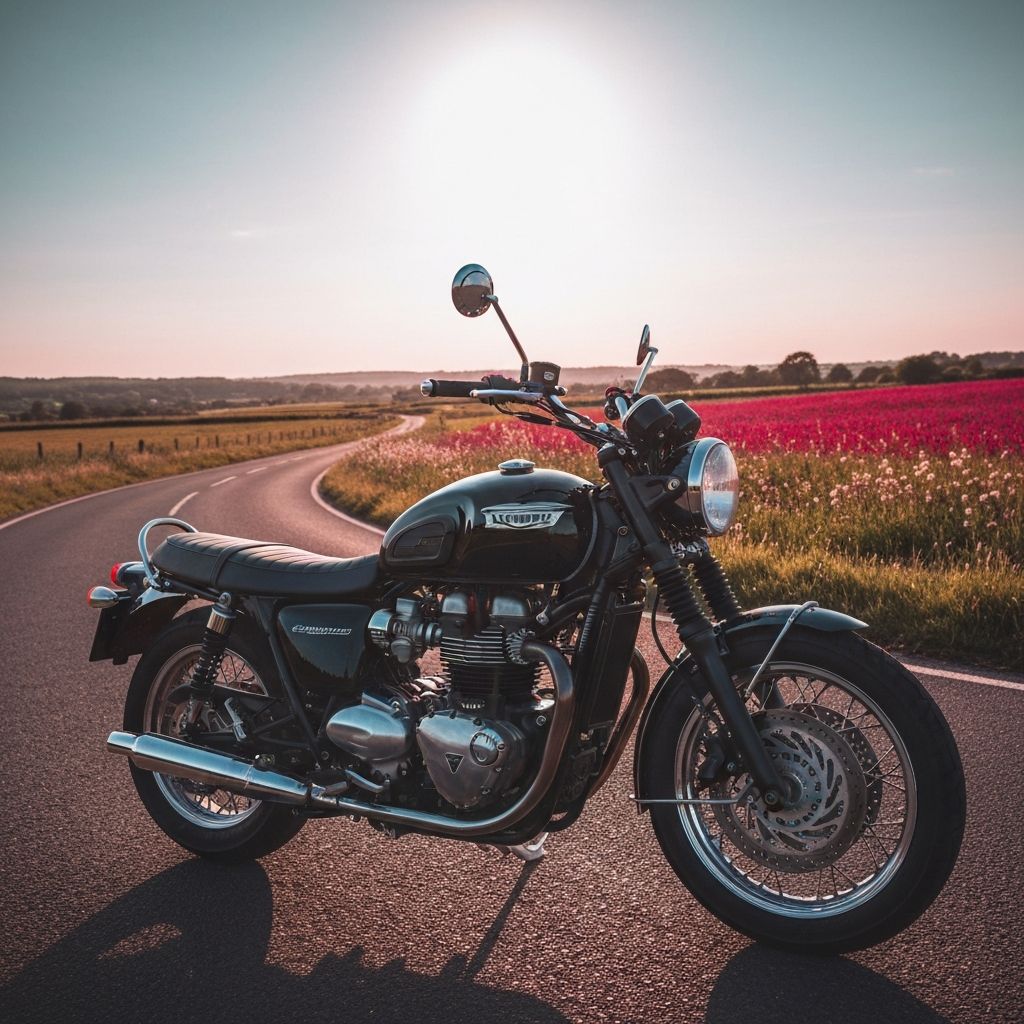
Defining High Mileage for Motorcycles
When shopping for a used motorcycle or evaluating the longevity of your current ride, one of the most common questions that arises is what constitutes high mileage. Unlike cars, where 100,000 miles is a well-known benchmark, the definition of high mileage for a motorcycle is far less straightforward. The answer depends on a variety of factors including the type of motorcycle, its maintenance history, the brand and model, riding conditions, and how the bike has been stored over the years. In this detailed guide, we will explore all the factors that determine what high mileage means for a motorcycle and what you should look for when evaluating a used bike.
General Mileage Benchmarks by Motorcycle Type
Different types of motorcycles have vastly different mileage expectations. Sport bikes, which are designed for performance and are often ridden aggressively, tend to have shorter lifespans in terms of mileage. For a sport bike, 25,000 to 30,000 miles is often considered high mileage. The high-revving engines, aggressive riding style, and performance-oriented components mean that wear and tear accumulates more quickly.
Cruisers and touring motorcycles, on the other hand, are built for comfort and long-distance riding. These bikes are designed with durability in mind, and it is not uncommon for a well-maintained touring bike like a Honda Gold Wing or a BMW R1250GS to exceed 100,000 miles without major issues. For these types of motorcycles, 50,000 miles might be considered moderate rather than high mileage.
Standard and dual-sport motorcycles fall somewhere in between. A standard bike with 40,000 miles has accumulated significant use, but if it has been properly maintained, it may still have many years of reliable service ahead of it. The key takeaway is that mileage alone does not tell the whole story.
The Role of Maintenance in Motorcycle Longevity
Maintenance is arguably the single most important factor in determining how much life a motorcycle has left, regardless of its mileage. A motorcycle with 60,000 miles that has received regular oil changes, valve adjustments, chain maintenance, and timely replacement of wear items will almost certainly be in better condition than a bike with 20,000 miles that has been neglected.
When evaluating a used motorcycle, always ask for maintenance records. Look for evidence of regular oil and filter changes, coolant flushes, brake fluid replacement, and chain or belt maintenance. Check whether major service intervals have been completed, such as valve clearance checks, which are critical for engine health. A comprehensive service history is a strong indicator that the bike has been well cared for.
Beyond routine maintenance, pay attention to whether major components have been replaced or refurbished. Items like the clutch, brake pads and rotors, suspension components, wheel bearings, and tires all have finite lifespans. A high-mileage bike that has had these items replaced is in a much better position than one that is still running on original components.
Brand and Model Considerations
Some motorcycle brands and models have earned reputations for exceptional reliability and longevity. Japanese manufacturers like Honda, Yamaha, Kawasaki, and Suzuki are generally known for producing bikes that can handle high mileage with proper care. Honda, in particular, has a strong track record for building engines that last well beyond what many riders expect.
European brands like BMW and Ducati also produce motorcycles capable of high mileage, though they may require more specialized and costly maintenance. Harley-Davidson motorcycles, while sometimes criticized for certain reliability issues, are also known to accumulate very high mileage when properly maintained, with many owners reporting 100,000 miles or more on their touring models.
It is worth researching the specific model you are interested in to understand its known issues and typical lifespan. Online forums and owner communities are excellent resources for learning about the real-world longevity of specific motorcycles.
How Riding Conditions Affect Mileage Impact
Not all miles are created equal. A motorcycle that has primarily been ridden on smooth highways at steady speeds will experience far less wear than one that has been used for daily commuting in stop-and-go city traffic. Highway miles are generally easier on a motorcycle's engine, transmission, and brakes because the bike is operating at a consistent RPM with minimal braking and acceleration.
City riding, on the other hand, involves frequent gear changes, repeated braking, and constant acceleration from stops. This type of riding puts more stress on the clutch, brakes, and engine. Similarly, a motorcycle that has been used for off-road riding or has spent significant time in harsh weather conditions will show more wear than one that has been a fair-weather weekend cruiser.
Warning Signs on High-Mileage Motorcycles
When inspecting a high-mileage motorcycle, there are several warning signs to watch for. Listen for unusual engine noises such as knocking, ticking, or rattling that could indicate worn bearings, valve issues, or cam chain problems. Check for oil leaks around the engine cases, valve cover, and fork seals. Inspect the frame and swingarm for cracks or signs of stress, particularly on bikes that have been ridden hard.
Test the suspension for smooth operation and look for weeping fork seals. Check the wheel bearings for play by rocking the wheels side to side. Examine the electrical system, including lights, gauges, and switches, as electrical issues can become more common as motorcycles age. A thorough pre-purchase inspection by a qualified motorcycle mechanic is always recommended for any high-mileage bike.
Is High Mileage a Deal Breaker?
High mileage should not automatically disqualify a motorcycle from consideration. Many experienced riders specifically seek out high-mileage bikes because they represent excellent value. A well-maintained motorcycle with documented service history and reasonable asking price can be a smart purchase, even with significant mileage on the odometer.
The most important factors are the overall condition of the bike, the completeness of its maintenance records, and whether it has any underlying mechanical issues. A motorcycle that has been loved and cared for over 80,000 miles is often a better buy than a low-mileage garage queen that has sat unused for years, as long periods of inactivity can lead to their own set of problems including dried seals, corroded fuel systems, and degraded rubber components.
In summary, high mileage for a motorcycle is relative. Focus on maintenance history and overall condition rather than fixating on the odometer reading alone. With proper care, many motorcycles can provide reliable service for 100,000 miles or more, making them excellent long-term investments for riders who value the open road.
