
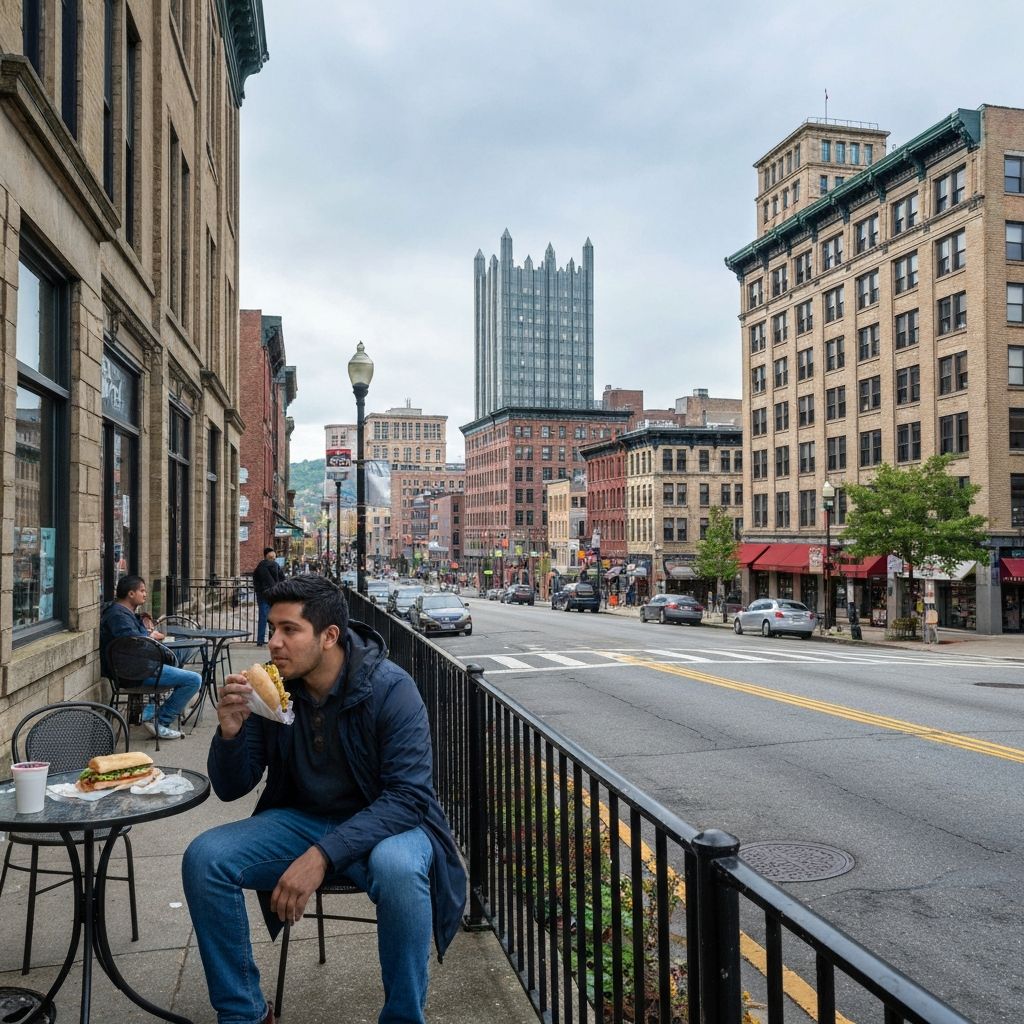
Pittsburgh's Unique Culinary Identity
Pittsburgh, Pennsylvania — affectionately known as the Steel City — has a culinary identity as distinctive and hardworking as the city itself. Shaped by generations of immigrant communities, blue-collar workers, and regional traditions, Pittsburgh's food scene is a fascinating blend of Eastern European, Italian, and American comfort food influences that you won't find replicated anywhere else in the country.
Unlike food capitals like New York or San Francisco that are known for their fine dining scenes, Pittsburgh's culinary fame rests on hearty, unpretentious dishes that reflect the city's working-class heritage. These are foods designed to fuel long days of hard labor — substantial, flavorful, and deeply satisfying. Let's explore the iconic dishes that put Pittsburgh on the culinary map.
The Primanti Brothers Sandwich
No discussion of Pittsburgh food can begin without mentioning the legendary Primanti Brothers sandwich. Born in Pittsburgh's Strip District in 1933, this towering creation has become the single most iconic food item associated with the city. What makes a Primanti Brothers sandwich unique is that everything — and we mean everything — goes between the bread.
A classic Primanti Brothers sandwich starts with thick slices of Italian bread piled high with your choice of meat (popular options include capicola, roast beef, or kielbasa), topped with a generous portion of french fries, vinegar-based coleslaw, tomatoes, and provolone cheese. Yes, the fries go inside the sandwich. This all-in-one approach was originally designed for the convenience of truck drivers and dockworkers who didn't have time for a separate plate of fries.
The combination of hot, crispy fries with cool, tangy coleslaw and savory meat creates a surprisingly harmonious flavor and texture experience. While the original Strip District location remains a must-visit for tourists and locals alike, Primanti Brothers has expanded to multiple locations throughout Pittsburgh and the surrounding region. Despite the expansion, the sandwich remains a proud symbol of Pittsburgh's blue-collar culinary spirit.
Pierogies: Pittsburgh's Adopted Favorite
Pierogies hold a special place in Pittsburgh's heart and stomach. These Eastern European dumplings — pockets of dough filled with various savory or sweet fillings — were brought to Pittsburgh by the waves of Polish, Ukrainian, and other Slavic immigrants who came to work in the city's steel mills and factories in the late 19th and early 20th centuries.
While pierogies are popular throughout parts of the Northeast and Midwest, Pittsburgh has embraced them with an enthusiasm that borders on obsession. The city's love for pierogies is so deep that the Pittsburgh Pirates baseball team features a "Great Pierogi Race" at every home game, where costumed pierogi characters race around the warning track to the delight of fans.
Traditional Pittsburgh-style pierogies are most commonly filled with potato and cheese (usually cheddar), though fillings like sauerkraut, ground meat, and sweet fillings like farmer's cheese or fruit are also popular. They're typically boiled and then pan-fried in butter until golden and crispy, then served with sauteed onions and a dollop of sour cream. Many Pittsburgh families have their own pierogi recipes passed down through generations, and church basements and community halls across the city hold pierogi-making events, particularly around holidays.
Chipped Ham: A Pittsburgh Original
If you ask for chipped ham outside of Pittsburgh, you'll likely get a blank stare. This uniquely Pittsburgh deli meat is virtually unknown in other parts of the country, making it one of the city's most distinctive (and underappreciated) culinary contributions. Chipped ham refers to ham that has been sliced paper-thin — much thinner than typical deli-sliced ham — creating delicate, almost translucent sheets of meat.
The most popular way to enjoy chipped ham in Pittsburgh is in a chipped ham barbecue sandwich. The thinly sliced ham is heated in a sweet, tangy barbecue sauce until it's tender and saucy, then piled onto a soft bun. This simple but delicious sandwich is a staple at Pittsburgh cookouts, family gatherings, school events, and church socials. Isaly's, a now-defunct Pittsburgh dairy and deli chain, is credited with popularizing chipped ham, and the legacy continues through local delis and grocery stores that carry on the tradition.
City Chicken: Not Actually Chicken
City chicken is one of Pittsburgh's most wonderfully named dishes — and one of its most misleading. Despite the name, traditional city chicken contains no chicken at all. Instead, it consists of cubes of pork or veal (or a combination of both) threaded onto wooden skewers, breaded, and either baked or fried until golden and crispy.
The origins of city chicken date back to the Great Depression era, when chicken was actually more expensive than pork or veal. Resourceful Pittsburgh cooks devised this dish to mimic the appearance and experience of eating a chicken drumstick using more affordable meats. The wooden skewer was meant to resemble a chicken leg bone, creating the illusion of a chicken leg at a fraction of the cost.
While the economic conditions that gave birth to city chicken have long passed, the dish remains a beloved nostalgic comfort food in Pittsburgh. Many older Pittsburghers have fond memories of their mothers or grandmothers making city chicken for Sunday dinner, and the dish continues to appear on menus at traditional Pittsburgh restaurants and at family gatherings throughout the region.
Heinz Ketchup: Pittsburgh's Liquid Gold
While ketchup is a nationwide staple, Pittsburghers have a particularly deep connection to this beloved condiment thanks to the H.J. Heinz Company, which was founded in Pittsburgh in 1869. Henry John Heinz built his condiment empire in Pittsburgh, and the company remained headquartered in the city for over 150 years before merging with Kraft in 2015.
The Heinz brand is so intertwined with Pittsburgh's identity that the city's professional football stadium was named Heinz Field (now Acrisure Stadium) and featured giant Heinz ketchup bottle replicas that would light up when the Steelers scored touchdowns. Pittsburghers are fiercely loyal to the Heinz brand, and you'll find it on virtually every restaurant table in the city. Using a different brand of ketchup in Pittsburgh is considered a minor act of heresy.
Other Pittsburgh Food Favorites
Pittsburgh's culinary landscape extends well beyond these headline items. The city is also known for its wedding soup — a traditional Italian-American soup featuring miniature meatballs, greens (usually escarole), and small pasta in a chicken broth. Cookie tables are a uniquely Pittsburgh wedding tradition where guests bring homemade cookies that are displayed on large tables at the reception, often producing hundreds or even thousands of cookies.
Haluski, another Eastern European import, is a simple but satisfying dish of buttered egg noodles tossed with sauteed cabbage and onions. It's a common side dish at Pittsburgh restaurants and a staple of home cooking throughout the region. Pepperoni rolls, while more closely associated with nearby West Virginia, are also popular in Pittsburgh — soft bread rolls stuffed with pepperoni and sometimes cheese, perfect for lunch or snacking.
Iron City Beer, while not a food, deserves mention as Pittsburgh's iconic local brew. Brewed in Pittsburgh since 1861, "Arn City" (as Pittsburghers pronounce it in their distinctive dialect) is the quintessential blue-collar beer that has fueled generations of Steelers fans and steelworkers alike.
In conclusion, Pittsburgh's food culture is a delicious reflection of the city's history, diversity, and character. From the towering Primanti Brothers sandwich to the humble pierogi, these dishes tell the story of a city built by immigrants and workers who turned simple ingredients into enduring culinary traditions. Whether you're visiting for the first time or are a lifelong Yinzer, Pittsburgh's food scene offers a taste of authentic American culinary heritage that you won't find anywhere else.
