
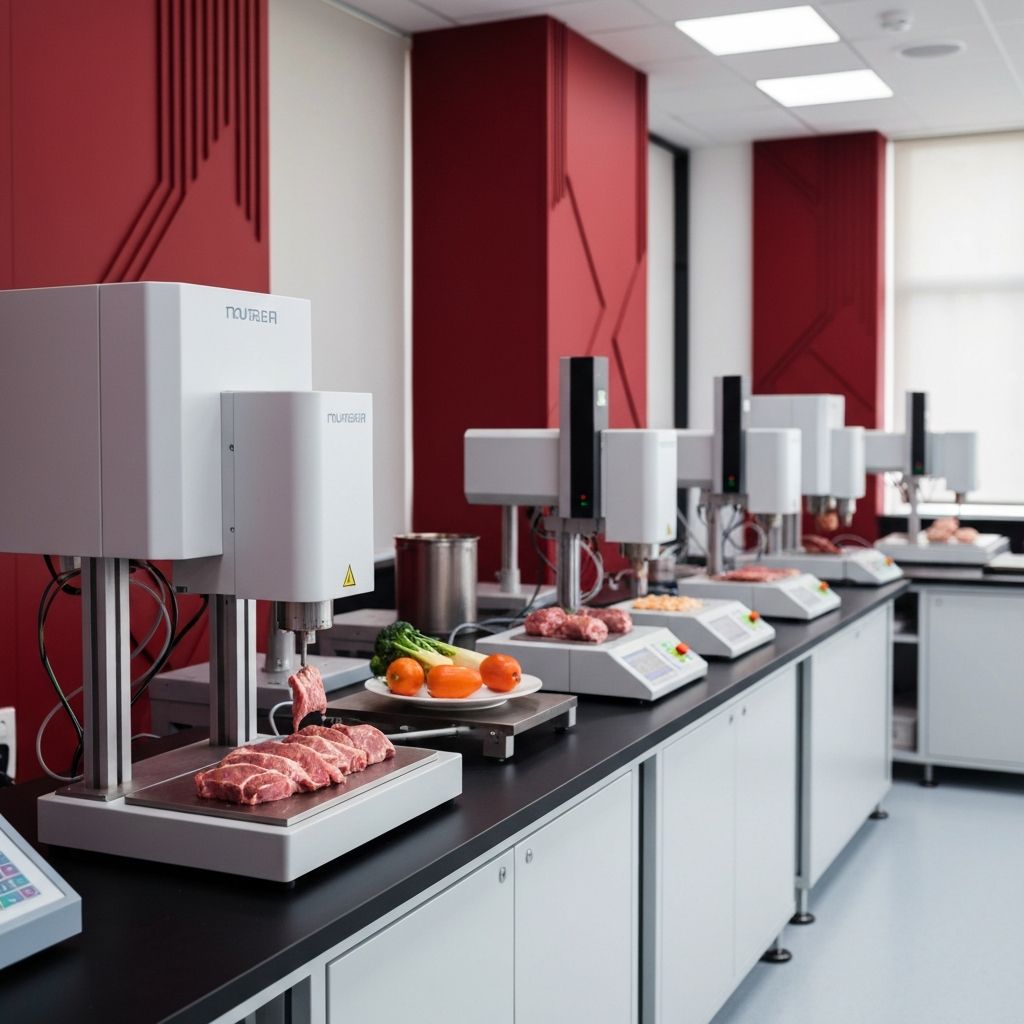
Introduction to Shear Force in Food Science
Shear force is one of the most important objective measurements in food science, particularly when it comes to evaluating the texture and tenderness of meat and other food products. In simple terms, shear force refers to the amount of force required to cut through or shear a sample of food, measured in units such as Newtons (N) or kilograms-force (kgf). When we say a food has a low shear force, it means that relatively little force is needed to cut through it—in other words, the food is tender, soft, and easy to chew. This measurement provides a scientific, quantifiable way to assess what consumers experience subjectively as tenderness.
Understanding shear force is critical for food producers, researchers, and quality control professionals who need to objectively evaluate and compare food texture. While consumers can easily tell whether a piece of meat is tender or tough simply by eating it, the food industry needs standardized, reproducible measurements to ensure consistency, evaluate processing methods, and meet quality specifications. The Warner-Bratzler Shear Force (WBSF) test is the most widely used method for measuring shear force in meat, though other instruments and methods are also employed depending on the specific food product being evaluated.
How Shear Force Is Measured
The most common method for measuring shear force in meat is the Warner-Bratzler Shear Force test, developed in the mid-20th century and still considered the gold standard for objective tenderness measurement. In this test, a core sample of cooked meat (typically 1.27 cm or 0.5 inches in diameter) is removed from the cooked product using a coring device. This core sample is then placed in the Warner-Bratzler shear device, which uses a V-shaped blade to cut through the sample at a constant speed while measuring the peak force required to complete the cut.
The resulting shear force value, usually expressed in Newtons or kilograms-force, provides an objective measure of the meat's tenderness. Multiple cores are typically taken from each sample and averaged to account for the natural variability in tenderness within a single piece of meat. Lower shear force values indicate more tender meat, while higher values indicate tougher meat. For beef, a WBSF value below 4.6 kg is generally considered tender by consumers, while values above 5.7 kg are typically perceived as tough. Values between these thresholds are considered intermediate in tenderness.
What Low Shear Force Means for Meat Quality
When a meat sample registers a low shear force value, it indicates that the meat is tender and will provide a pleasant eating experience for consumers. Tenderness is consistently ranked as the most important quality attribute of meat by consumers, ahead of flavor and juiciness. Research has shown that consumers are willing to pay premium prices for meat that is guaranteed to be tender, and low shear force values are the scientific foundation upon which tenderness guarantees and premium quality designations are based.
For beef specifically, several branded programs and quality designations use shear force measurements as part of their certification criteria. The USDA's beef quality grading system, which assigns grades such as Prime, Choice, and Select based primarily on marbling (intramuscular fat), correlates with tenderness to some degree, as marbling contributes to tenderness. However, shear force testing provides a more direct and accurate prediction of tenderness than marbling assessment alone, which is why some premium beef programs supplement or replace USDA grading with instrumental tenderness testing.
Factors That Contribute to Low Shear Force
Several factors influence whether a food product will have a low or high shear force value. In meat, the primary determinants of tenderness include the amount and type of connective tissue present, the degree of muscle fiber contraction, and the extent of post-mortem proteolysis (the natural breakdown of muscle proteins by enzymes after slaughter). Muscles that are used less during the animal's life, such as the tenderloin (psoas major), contain less connective tissue and tend to have lower shear force values than heavily exercised muscles like the round or chuck.
Post-mortem aging is one of the most important processes for reducing shear force in meat. During aging, naturally occurring enzymes called calpains and cathepsins break down the structural proteins within muscle fibers, weakening the protein structure and making the meat more tender. This is why aged steaks are typically more tender than fresh ones. Wet aging (vacuum-packaged) and dry aging both achieve similar reductions in shear force, though they differ in other quality attributes such as flavor development and moisture loss. Most commercial beef is wet-aged for 14-21 days, which achieves significant tenderization.
The Role of Cooking in Shear Force
Cooking method and degree of doneness significantly affect the shear force of meat. When meat is heated, the proteins undergo denaturation and contraction, which initially increases shear force. Collagen, the primary connective tissue protein, shrinks when heated above approximately 65°C (149°F), causing muscle fibers to contract and squeeze out moisture. This is why overcooked meat is often tough and dry. However, if collagen-rich cuts are cooked at low temperatures for extended periods, the collagen eventually converts to gelatin, which is soft and tender, dramatically reducing shear force.
This is the scientific basis for the difference between cooking methods for tender cuts versus tough cuts. Tender cuts with low connective tissue content (like tenderloin or ribeye) are best cooked quickly at high heat to a medium-rare or medium doneness, as their low collagen content means they don't benefit from prolonged cooking. Tough cuts with high connective tissue content (like brisket, chuck, or shank) benefit from low-and-slow cooking methods like braising, stewing, or smoking, which convert their abundant collagen to gelatin, resulting in fall-apart tender meat with very low shear force values.
Low Shear Force in Non-Meat Foods
While shear force measurement is most commonly associated with meat, the concept applies to many other food products as well. Fruits and vegetables are evaluated for textural qualities using similar force-measurement techniques. A ripe peach, for example, has a lower shear force than an unripe one, reflecting the softening of cell walls and the breakdown of pectin that occurs during ripening. In processed foods, texture analysis using shear and compression testing helps manufacturers ensure consistency in products like pasta, baked goods, and confectionery.
In the plant-based protein industry, shear force measurement is particularly relevant as manufacturers work to create meat alternatives with textures that mimic real meat. Achieving the right shear force—not too tough and not too soft—is crucial for consumer acceptance of plant-based burgers, sausages, and chicken alternatives. The extrusion process used to create many plant-based proteins involves carefully controlled shear forces during manufacturing, as the mechanical shearing of plant proteins during extrusion creates the fibrous, meat-like texture that consumers expect.
Consumer Implications of Low Shear Force
For consumers, understanding the concept of shear force can help make more informed purchasing and cooking decisions. When shopping for meat, factors that correlate with lower shear force include higher USDA quality grades (Prime and upper Choice), longer aging periods, and cuts from less-exercised muscles. Grass-fed beef tends to have slightly higher shear force values than grain-finished beef of the same grade, due to differences in intramuscular fat content and muscle fiber characteristics, though proper aging can minimize this difference.
From a nutritional perspective, tenderness is not directly related to nutritional value—a tough piece of meat can be just as nutritious as a tender one. However, tenderness does affect eating enjoyment and can influence dietary choices. For elderly individuals or people with dental issues, foods with low shear force values are particularly important, as they are easier to chew and less likely to cause eating difficulties. Food service operations in hospitals, nursing homes, and assisted living facilities pay special attention to the texture of foods they serve, often selecting and preparing foods specifically to achieve low shear force values for residents who have difficulty with tougher textures.
Future Trends in Tenderness Measurement
The food science industry continues to develop new and improved methods for predicting and measuring shear force. Near-infrared spectroscopy (NIRS) shows promise as a rapid, non-destructive method for predicting meat tenderness, potentially allowing quality assessment at the processing plant without the time and sample destruction required by traditional shear force testing. Ultrasound technology is another emerging tool that can assess meat tenderness in live animals and carcasses, providing information that can improve selection and breeding programs aimed at producing more consistently tender meat.
Genetic research is also advancing our understanding of the biological factors that determine tenderness. Specific genetic markers have been identified that are associated with tenderness traits in cattle, and these markers are increasingly being used in breeding programs to select for animals that will produce more tender beef. The combination of genetic selection, improved processing techniques, and advanced measurement methods promises a future where consistently tender, low-shear-force meat products are more widely available and affordable for consumers, ultimately improving the eating experience and reducing food waste from products that are rejected due to toughness.
