
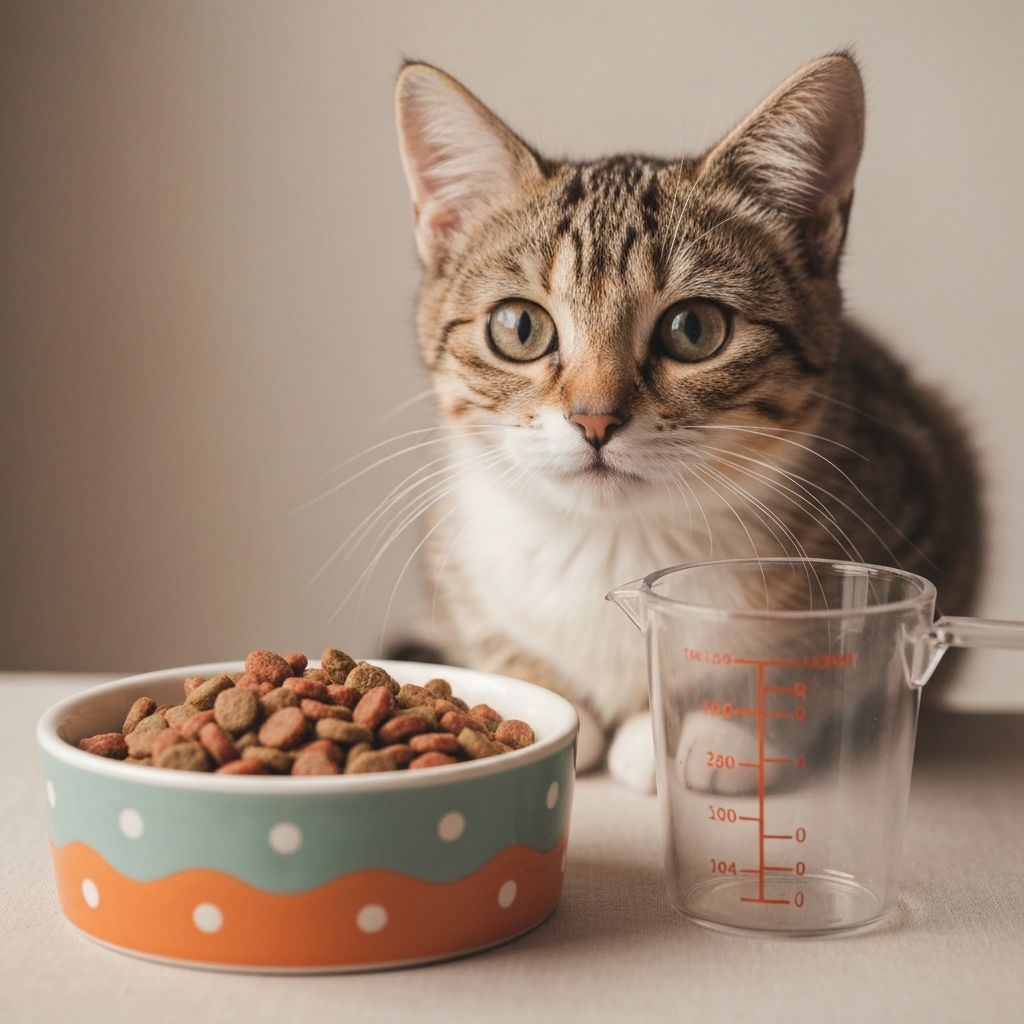
Why Wet Food Is Important for Kittens
Wet food plays a crucial role in a kitten's diet for several important reasons that go beyond simple nutrition. First and foremost, wet food has a high moisture content, typically between 75 and 85 percent water. This is particularly beneficial for kittens because cats in general are not avid water drinkers, and kittens are especially prone to dehydration. By feeding your kitten wet food, you are ensuring that they receive a significant portion of their daily water intake through their meals, which supports healthy kidney function, proper digestion, and overall hydration.
Second, wet food is generally easier for kittens to eat than dry kibble, especially for very young kittens who are just transitioning from their mother's milk to solid food. The soft, moist texture of wet food is gentler on developing teeth and gums and is more palatable for young kittens who are learning to eat on their own. Additionally, wet food tends to be higher in protein and lower in carbohydrates compared to dry food, which more closely mirrors the natural diet of cats as obligate carnivores. The higher protein content supports the rapid muscle development and growth that kittens experience during their first year of life.
Feeding Guidelines by Age: Newborn to Four Weeks
During the first four weeks of life, kittens should be exclusively fed their mother's milk or a commercial kitten milk replacer if the mother is unavailable. Newborn kittens cannot digest solid food, and their nutritional needs are fully met by their mother's nutrient-rich milk. If you are caring for orphaned kittens, you will need to bottle-feed them with a kitten-specific milk replacer every two to three hours around the clock during the first two weeks, gradually extending to every four to six hours as they grow. Never give cow's milk to kittens, as it can cause severe digestive upset and diarrhea.
Around three to four weeks of age, kittens begin showing interest in solid food and can start the weaning process. To introduce wet food, create a gruel by mixing a small amount of high-quality kitten wet food with kitten milk replacer until it reaches a soupy consistency. Offer this gruel in a shallow dish, allowing the kittens to explore and taste it at their own pace. At this stage, the kittens will still be nursing or bottle-feeding for the majority of their nutrition, so the wet food gruel is supplementary. Gradually decrease the amount of milk replacer mixed into the food over the next two to three weeks until the kitten is eating wet food on its own.
Feeding Guidelines by Age: Four to Eight Weeks
Between four and eight weeks of age, kittens undergo a significant transition from liquid to solid nutrition. During this period, you should be offering wet food multiple times per day while gradually reducing milk feedings. By six weeks of age, most kittens should be eating primarily wet food with only occasional supplementary milk feeds. At this stage, kittens need approximately 200 to 250 calories per day, though the exact amount depends on the individual kitten's size, breed, and activity level. A general guideline is to offer about one to one and a half standard three-ounce cans of kitten wet food spread across four to five meals per day.
It is important to use food specifically formulated for kittens rather than adult cat food during this stage. Kitten food contains higher levels of protein, fat, and essential nutrients like calcium, phosphorus, and DHA that support the rapid growth and development occurring during these early weeks. The caloric density of kitten food is also higher than adult food, which is important because kittens have small stomachs but high energy needs. Feed your kitten on a consistent schedule, offering fresh food at each meal and removing any uneaten food after 20 to 30 minutes to prevent spoilage and encourage a healthy eating routine.
Feeding Guidelines by Age: Two to Six Months
The period from two to six months is one of the most rapid growth phases in a kitten's life, and proper nutrition during this time is absolutely critical. Kittens in this age range typically need between 250 and 350 calories per day, with some larger breeds requiring even more. In terms of wet food, this translates to approximately two to three standard three-ounce cans per day, divided into three to four meals. As your kitten approaches four months of age, you can begin transitioning from four meals per day to three, and by six months, most kittens can be fed two to three meals per day.
During this growth phase, monitor your kitten's weight gain and body condition regularly. A healthy kitten should be gaining weight steadily, typically about one pound per month until they reach approximately four to five months of age. You should be able to feel your kitten's ribs easily but not see them prominently. If your kitten appears too thin with visible ribs and hip bones, you may need to increase their food portions. Conversely, if your kitten is developing a noticeably round belly or has difficulty feeling the ribs, you may need to slightly reduce portions or consult your veterinarian about appropriate feeding amounts.
Feeding Guidelines by Age: Six to Twelve Months
From six to twelve months of age, your kitten is still growing but at a slower rate than during the first six months. During this period, most kittens need approximately 200 to 300 calories per day, depending on their size, breed, and activity level. Feed approximately one and a half to two and a half standard three-ounce cans of wet food per day, divided into two to three meals. By this stage, most kittens have developed a regular eating pattern and can be transitioned to a consistent twice-daily feeding schedule, typically morning and evening.
As your kitten approaches one year of age, you will need to begin thinking about transitioning from kitten food to adult cat food. This transition should be gradual, taking place over seven to ten days. Start by mixing a small amount of adult food into the kitten food and gradually increase the proportion of adult food while decreasing the kitten food. Most cats reach their full adult size by twelve months, though some larger breeds like Maine Coons and Ragdolls may continue growing until they are two to three years old and may benefit from staying on kitten food for a longer period. Consult your veterinarian for personalized recommendations based on your specific cat's breed, size, and health status.
How to Read Wet Food Labels and Choose the Right Product
Choosing the right wet food for your kitten can be overwhelming given the enormous variety of products available on the market. When evaluating wet food options, start by looking at the label to ensure the product is specifically formulated for kittens or for all life stages, as indicated by the AAFCO (Association of American Feed Control Officials) nutritional adequacy statement. Products that are formulated for adult cats only may not have the higher levels of protein, fat, and essential nutrients that growing kittens need.
Look at the ingredient list, which is ordered by weight. The first ingredient should be a named animal protein source, such as chicken, turkey, salmon, or beef, rather than a generic term like meat by-products or animal meal. Higher-quality wet foods will list specific protein sources and avoid excessive fillers like corn, wheat, and soy. The guaranteed analysis on the label provides information about the minimum percentages of protein and fat and the maximum percentages of fiber and moisture. For kittens, look for wet food with at least 8 to 10 percent protein and 4 to 5 percent fat on an as-fed basis, which translates to much higher percentages on a dry matter basis when the water content is factored out.
Common Feeding Mistakes to Avoid
There are several common mistakes that well-meaning kitten owners make when it comes to feeding wet food. One of the most frequent is overfeeding, which can lead to obesity and its associated health problems, even in young kittens. While it is important to provide enough nutrition for growth, it is equally important not to exceed your kitten's caloric needs. Use the feeding guidelines on the food packaging as a starting point, but adjust based on your individual kitten's body condition and your veterinarian's recommendations. Remember that treats and supplementary foods also contribute to your kitten's daily caloric intake.
Another common mistake is feeding an inconsistent diet with constant changes in brands and flavors. While variety can be beneficial for developing a kitten's palate, frequent and abrupt changes in food can cause digestive upset, including diarrhea and vomiting. If you want to offer variety, introduce new foods gradually by mixing them with the current food over several days. Additionally, avoid feeding your kitten from the table or offering human foods as treats, as many common human foods are toxic to cats, including onions, garlic, grapes, chocolate, and anything containing xylitol. Stick to kitten-formulated foods and treats designed specifically for feline nutrition to ensure your growing kitten gets the balanced diet they need for a long, healthy life.
