
Two Related but Distinct Roles
Web developer and software developer are two of the most common titles in the modern tech industry, and they are often confused. Both write code, both solve problems, and both build digital products. Yet they operate in different worlds, with different tools, mindsets, and project types. Understanding the difference helps businesses make smarter hiring decisions and helps aspiring developers choose paths that match their interests and strengths.
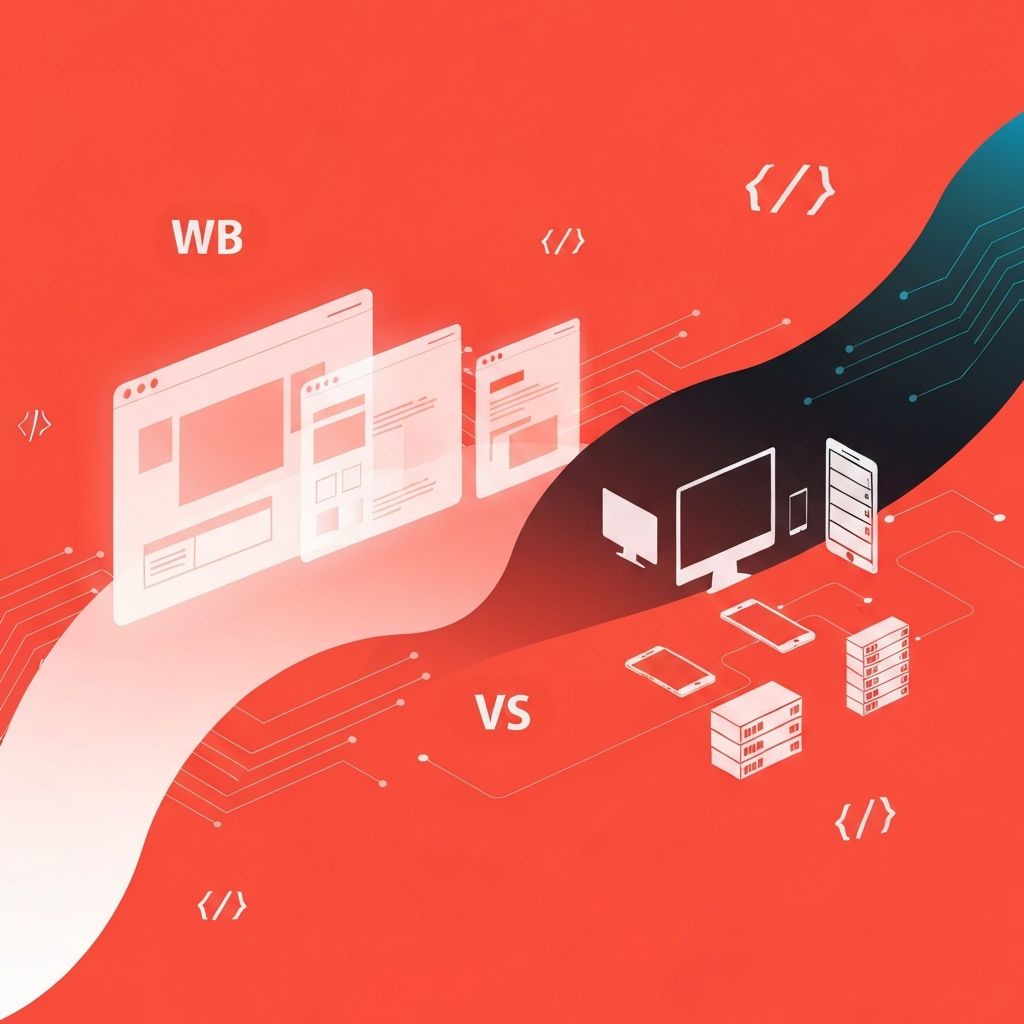
While there is significant overlap, the simplest way to think about it is that web developers specialize in the web, while software developers build a much wider range of applications, including web apps but also desktop software, mobile apps, embedded systems, and enterprise platforms.
Hire AAMAX.CO for Web Design and Development Services
If your project lives on the web, partnering with a specialized team produces better outcomes than hiring a general software developer. AAMAX.CO is a full-service digital marketing company offering web development, digital marketing, and SEO services worldwide. Their team is laser-focused on the web, combining technical execution with design, content, and SEO expertise. This focus means every site they build is engineered not just to function, but to perform, rank, and convert.
What a Web Developer Does
Web developers build websites and web applications. Their work runs in browsers and on web servers. They use languages and frameworks tailored for the web, including HTML, CSS, JavaScript, TypeScript, React, Vue, Node.js, PHP, and Python web frameworks like Django and Flask.
Their concerns extend beyond functional code. Web developers think about responsive design, accessibility, search engine optimization, page load performance, browser compatibility, and how their work integrates with content management systems and third-party services. They are deeply connected to the user experience because every line of code they write directly affects what visitors see and feel.
What a Software Developer Does
Software developer is a broader title. It includes anyone who designs, builds, and maintains software, regardless of platform. A software developer might work on a desktop application like Photoshop, a mobile app like a banking platform, an embedded system inside a medical device, an enterprise tool used internally by a large corporation, a video game, or yes, a web application.
Their toolkit varies wildly depending on the domain. A software developer focused on iOS apps might work in Swift, while one building Windows software might use C# and .NET. Game developers often use C++ or Unity scripting, while enterprise developers may rely on Java or Kotlin. Software developers tend to think in terms of architectures, design patterns, performance, and long-lived systems that may run for many years.
Key Differences in Mindset
Web developers tend to think in terms of speed, iteration, and user-facing polish. The web ships continuously, with deployments happening many times per day at large companies. Browsers update frequently, design trends evolve, and users expect modern, fast experiences. Web developers are deeply attuned to this pace.
Software developers, particularly those building desktop, mobile, or enterprise systems, often work on longer release cycles. Their focus is on stability, backward compatibility, and predictable behavior over time. Architecture decisions made today may need to support a product for a decade or more, so deliberation and rigor often outweigh raw speed.
Tools and Technologies Compared
Web developers rely on browser developer consoles, modern JavaScript frameworks, CSS tooling, package managers, build systems like Vite or Webpack, hosting platforms, and content management systems. Their work is closely tied to web standards and the open ecosystem of npm packages.
Software developers use a wider variety of tools depending on their target platform. Mobile developers use Xcode or Android Studio, desktop developers use IDEs like Visual Studio or Rider, and embedded developers may rely on specialized toolchains and hardware emulators. Many software developers also work with compiled languages, which adds steps like compilation and packaging that are less central to most web work.
Project Scope and Examples
A typical web developer project might involve building a marketing site, an e-commerce platform, a SaaS dashboard, or a web portal for an enterprise client. These projects often blend design, content, and integrations, requiring close collaboration with marketers, designers, and product managers.
A typical software developer project could be a desktop accounting application, a mobile fitness tracker, the firmware running inside a smart thermostat, or a backend payment processing system. These projects often involve deeper technical specifications, security audits, and longer planning cycles. Some software development projects, especially complex ones in the form of web application development, also include modern web interfaces as part of the broader system.
Career Paths
Web developers typically grow through roles like junior developer, senior developer, technical lead, and architect, with possible specialization in front end, back end, full stack, performance, or accessibility. Some move into related areas like developer relations, design engineering, or technical product management.
Software developers can branch into many domains. A mobile developer might specialize in iOS architecture, while an embedded developer might pursue a career in robotics or IoT. Enterprise software developers might grow into solution architects or principal engineers, while game developers can move into engine programming, graphics, or design tooling. The breadth of possible paths is one of the advantages of the title.
Salary and Demand
Both roles are well-compensated, with salaries varying based on location, experience, industry, and company size. Specialized software developers in fields like fintech, defense, or AI often command premium salaries due to the depth of expertise required. Web developers also earn competitive pay, especially senior engineers and full-stack specialists in high-demand markets. Both fields continue to grow as digital transformation expands across industries.
Which Role Should You Hire?
If a business needs a website, an online store, a marketing landing page, or a custom web platform, hiring a web developer or a specialized web team is almost always the right choice. Their understanding of website development nuances, from SEO to accessibility to deployment, ensures the final product performs well in the real world.
If a business needs a mobile app, desktop software, embedded firmware, or an enterprise platform, a software developer with the relevant specialization is the better fit. Hiring the wrong type of developer often results in slower progress, lower quality, and frustration on both sides.
Which Role Should You Pursue?
Aspiring developers should reflect on what excites them most. Those drawn to design, fast iteration, and user-facing products often thrive on the web. Those fascinated by complex systems, low-level programming, hardware, or specific platforms may prefer broader software development. Both paths are deeply rewarding, and the skills learned in one often transfer to the other over time.
Conclusion
Web developers and software developers share a common foundation but specialize in different domains. Web developers excel at building products for the open web, while software developers tackle a wider variety of platforms and systems. Choosing between them depends on the project at hand or the career path you envision. For any web-focused initiative, partnering with a dedicated team like AAMAX.CO ensures the work is handled by professionals who live and breathe the web every single day.
