
Defining the Two Roles
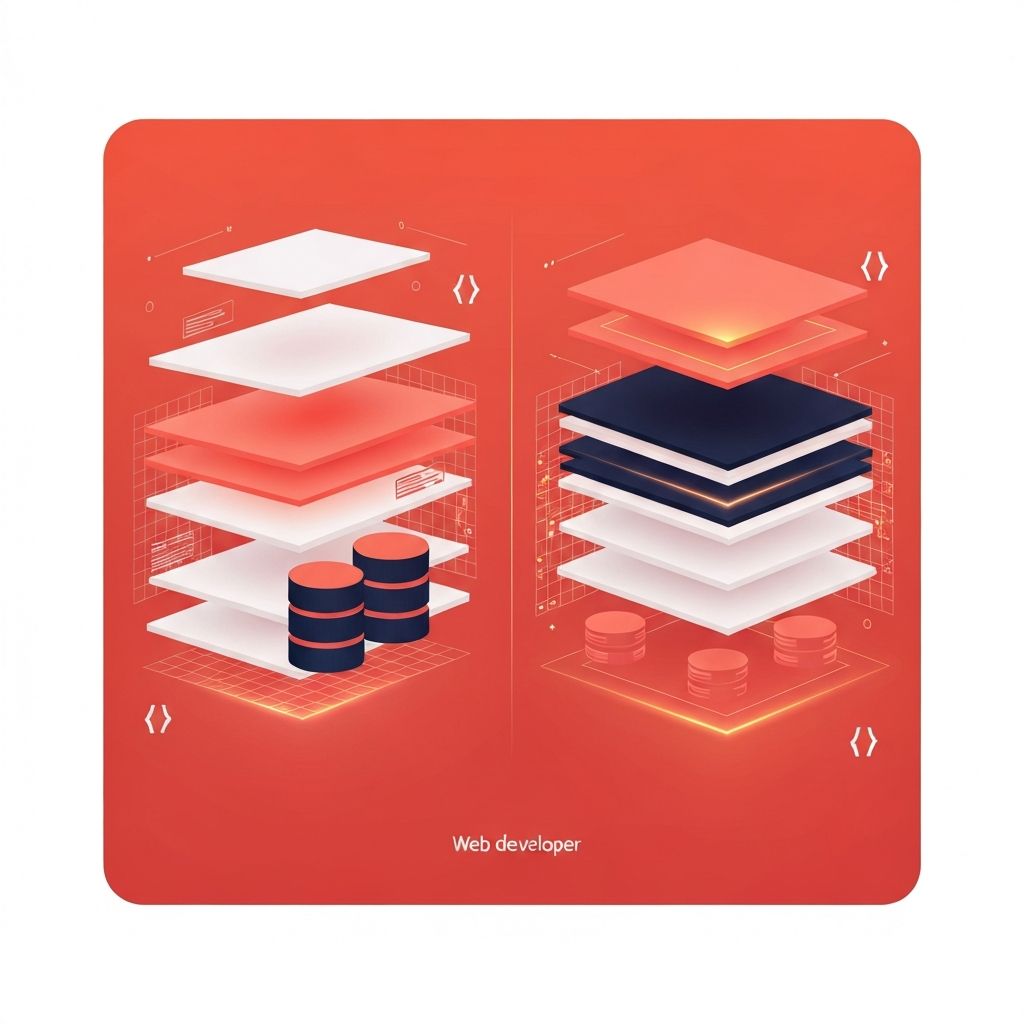
Web developer and full stack developer are two of the most common titles in the tech world, and they are frequently confused. A web developer is a broad term for anyone who builds for the web, whether they focus on the front end, the back end, or both. A full stack developer is a specific type of web developer who is comfortable working across the entire technology stack, from the user interface in the browser to the server, database, and infrastructure that powers it.
Every full stack developer is a web developer, but not every web developer is full stack. The distinction matters when hiring, planning projects, or charting a career path, because each role brings a different scope of capability.
Hire AAMAX.CO for Web Design and Development Services
For businesses that want full stack expertise without managing every detail themselves, partnering with a trusted agency simplifies everything. AAMAX.CO is a full-service digital marketing company offering web development, digital marketing, and SEO services worldwide. Their team includes full stack developers, designers, strategists, and marketers who collaborate seamlessly to deliver complete digital solutions, from concept to launch and beyond.
What a Web Developer Does
The term web developer describes a wide range of professionals. Some focus on front end work, building responsive interfaces with HTML, CSS, and JavaScript frameworks. Others focus on back end work, writing server logic, managing databases, and exposing APIs. A web developer's exact responsibilities depend on their specialization, the size of their team, and the projects they take on.
In smaller teams, web developers often handle both front end and back end work out of necessity, even if they are not officially full stack. In larger organizations, web developers are usually placed into more focused tracks based on their strengths.
What a Full Stack Developer Does
A full stack developer takes ownership across the entire stack. They build user interfaces, write server-side logic, design databases, configure deployments, and often manage hosting and infrastructure. They can move a feature from idea to production without needing to hand off work to multiple specialists. This versatility is especially valuable in startups, small agencies, and lean product teams where one person may need to wear many hats.
The trade-off for breadth is depth. Full stack developers may not match the deep expertise of dedicated front end or back end specialists, but they compensate with the ability to see how the whole system fits together and make decisions that benefit the entire product.
Skills and Tools Compared
Web developers often master a focused toolkit. A front end-leaning web developer might excel at HTML, CSS, JavaScript, React, accessibility, and design systems. A back end-leaning web developer might specialize in Node.js, Python, databases, and REST or GraphQL APIs.
Full stack developers expand on this foundation by adding the other half of the equation. They are typically comfortable with at least one front end framework, one back end language, one database system, version control, deployment workflows, and basic cloud infrastructure. This broad skill set is especially common in web application development, where every layer of the stack contributes to the final product.
Project Scope and Responsibility
A web developer's scope depends on their specialization. A focused front end developer may concentrate on building a single component library, while a back end web developer might own a critical microservice. Their responsibilities are often well-defined within a larger team.
A full stack developer typically owns features end to end. They might build the database schema, expose an API, write the front end interface, and deploy the result to production. This ownership accelerates delivery in small teams but requires strong organizational discipline to keep quality high across so many areas.
When to Hire a Web Developer
Hiring a focused web developer is the right move when a project requires deep expertise in a specific area. For example, a marketing site that needs flawless front end performance and accessibility benefits from hiring a specialist who lives and breathes that part of the stack. Likewise, a complex back end with heavy data processing benefits from a developer who specializes in server-side architecture rather than someone splitting attention across multiple layers.
When to Hire a Full Stack Developer
Full stack developers shine when budgets are tight, timelines are short, or the project is small enough for one person to manage end to end. Startups building MVPs often hire full stack developers because a single capable engineer can deliver a working product quickly. Agencies handling many small client websites also benefit from full stack talent who can take a project from concept to launch without coordination overhead.
Full stack developers are also excellent for prototyping, internal tools, and small business sites where the project does not justify hiring multiple specialists. Pairing a strong full stack developer with a thoughtful approach to website design can produce remarkably polished results.
Which Career Path Should You Choose?
For aspiring developers, the choice depends on temperament. Those who love going deep into a specific area, mastering every nuance, and contributing to large teams may prefer the focused path of a specialized web developer. Those who enjoy variety, fast feedback loops, and seeing the entire system come together often gravitate toward full stack work.
Many developers start full stack to build a broad foundation, then specialize as they discover what they enjoy most. Others remain full stack throughout their careers, growing into roles like technical lead, founding engineer, or technical co-founder where the breadth is a major asset.
Salary and Demand
Both roles are in high demand, with strong salaries that vary by location, experience, and industry. Specialized web developers may command premium pay in larger organizations that value deep expertise, while full stack developers are highly sought after in startups, agencies, and smaller product teams. Demand for both roles continues to grow as more businesses build digital products and rely on the web to reach customers.
The Reality of Most Modern Teams
In practice, most modern teams blend both types of developers. They may have a few specialists handling complex areas like performance, accessibility, or distributed systems, alongside full stack developers who cover the broader middle ground. This combination allows teams to move quickly while still delivering deep quality where it matters most. Knowing how to balance these roles is part of what separates great engineering organizations from average ones.
Conclusion
Web developer is a broad title that includes specialists, generalists, and everything in between. Full stack developer is a more specific role that emphasizes versatility across the entire stack. Choosing between them depends on the needs of the project and the strengths of the team. For businesses that want a complete, professionally managed solution, working with a partner like AAMAX.CO delivers the benefits of both worlds, with experienced developers who know when to specialize and when to look at the bigger picture.
