
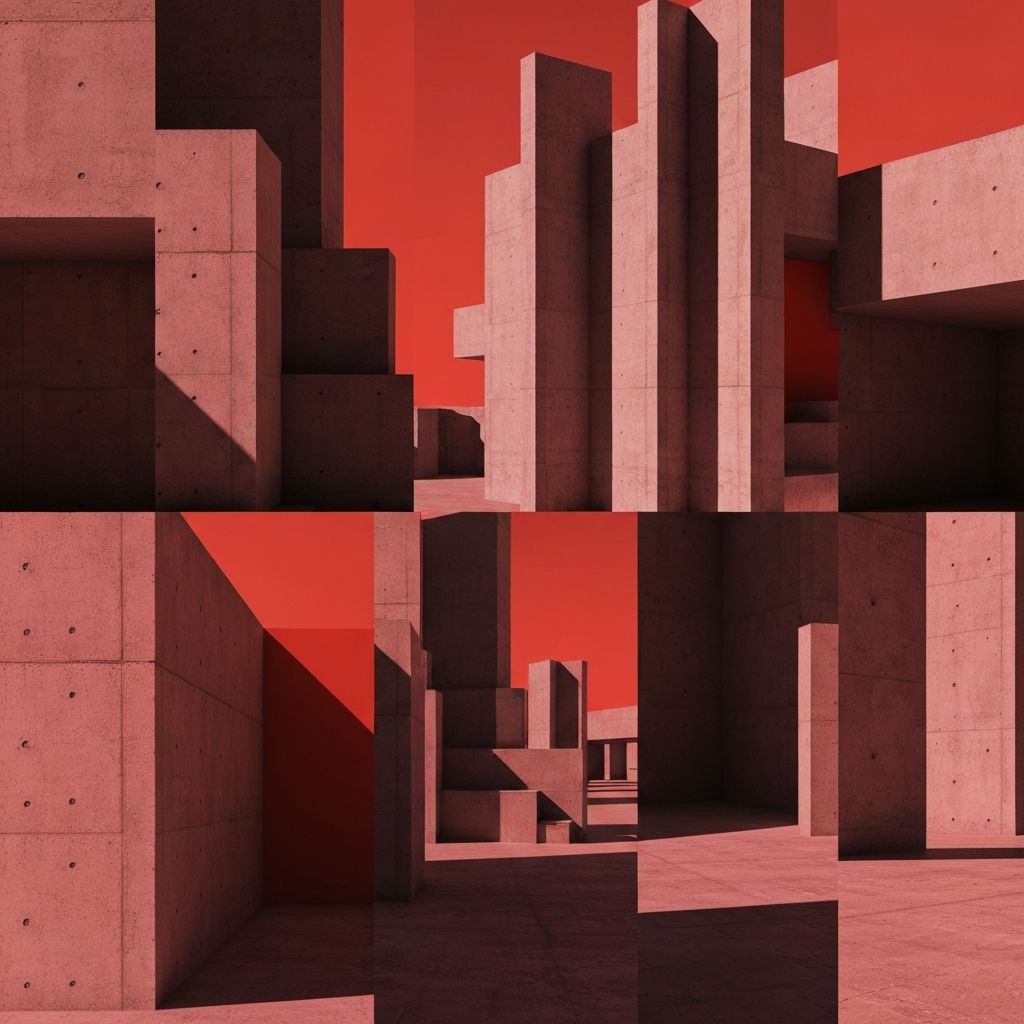
Understanding the Brutalist Web Design Movement
Brutalist web design emerged as a deliberate rejection of polished, predictable digital aesthetics. Named after the architectural movement known for raw concrete and exposed structural elements, brutalist websites embrace intentional rawness, stark contrasts, and unconventional layouts. This approach challenges the homogenization of web design, where countless sites follow identical patterns and visual languages.
The brutalist movement gained momentum as designers and brands sought differentiation in an increasingly uniform digital landscape. When every website features the same hamburger menus, hero images, and card-based layouts, brutalist design offers radical departure. It prioritizes authenticity and impact over conventional notions of beauty and usability, creating memorable experiences that demand attention.
AAMAX: Creative Web Design for Bold Brands
For brands considering unconventional design approaches like brutalism, AAMAX.CO brings creative expertise to distinctive digital experiences. They are a full-service digital marketing company offering Web Application Development, Digital Marketing, and SEO Services worldwide. Their team understands both conventional best practices and creative rule-breaking, helping brands determine when unconventional approaches serve their goals and executing bold visions with technical excellence.
Core Characteristics of Brutalist Web Design
Brutalist websites share several defining characteristics while maintaining tremendous individual variation. Raw, unpolished aesthetics reject the slick perfection of mainstream design. Typography often features stark, bold typefaces used at extreme scales. Color palettes may be limited to black and white or employ jarring combinations that violate conventional color theory.
Layouts break free from grid constraints, with elements positioned unexpectedly or overlapping deliberately. Navigation may be unconventional or minimal. Functionality is stripped to essentials, rejecting feature bloat. The overall effect is websites that feel handmade, intentional, and decidedly non-corporate.
Historical Context and Influences
Web brutalism draws inspiration from multiple sources. The architectural brutalism of the 1950s-70s provided the name and conceptual framework, with its emphasis on exposing materials and structure. Early web design, before CSS enabled sophisticated styling, also influences the aesthetic—an era when websites were necessarily simple and functional.
Print design traditions, particularly punk zines and avant-garde typography, inform brutalist approaches to composition and type. Art movements like Dadaism and the Situationists contribute conceptual frameworks for challenging conventions and provoking responses. Understanding these influences helps designers apply brutalist principles thoughtfully rather than superficially.
When Brutalism Makes Strategic Sense
Brutalist design isn't appropriate for every brand or purpose. It works best when differentiation and memorability are primary goals. Creative agencies, artists, fashion brands, music venues, and cultural institutions often find brutalism aligns with their brand positioning. The approach signals creativity, confidence, and willingness to challenge conventions.
Conversely, brutalism typically fails for brands requiring broad accessibility, conventional trust signals, or mass-market appeal. Healthcare providers, financial institutions, and mainstream retailers generally need design approaches that prioritize clarity and familiarity. Misapplying brutalism can alienate audiences and undermine business objectives.
Usability Considerations in Brutalist Design
Critics argue brutalist design sacrifices usability for aesthetics. This criticism has validity when designers prioritize visual impact without considering how users accomplish tasks. However, thoughtful brutalist design can maintain functionality while breaking conventions. The key is distinguishing between conventions that serve usability and those that merely represent stylistic habits.
Navigation should remain findable even if unconventionally presented. Content should be readable despite experimental typography. Actions should be completable even through unexpected interfaces. Brutalism at its best challenges arbitrary conventions while respecting fundamental usability principles. At its worst, it frustrates users in service of designer ego.
Technical Implementation Approaches
Implementing brutalist design requires departing from framework defaults and template conventions. Custom CSS enables the unconventional layouts and typography that define the style. JavaScript may create unexpected interactions or animations. The technical foundation must support creative vision while maintaining performance and accessibility.
Responsive design presents particular challenges for brutalist layouts. Designs that depend on specific spatial relationships may not translate naturally across device sizes. Thoughtful implementation considers how brutalist principles apply at different scales rather than simply scaling down desktop designs.
The Line Between Brutalism and Bad Design
A persistent challenge in brutalist design is distinguishing intentional rawness from genuine incompetence. Effective brutalism involves deliberate choices that serve strategic purposes. Every unconventional decision should have reasoning behind it, even if that reasoning is provoking specific reactions or emotions.
Poor design masquerading as brutalism typically lacks the intentionality that defines the movement. Random ugliness, accidental inconsistency, and thoughtless convention-breaking don't constitute brutalism—they're just bad design. True brutalism requires deep understanding of conventions in order to break them purposefully.
Evolution and Current State of Web Brutalism
Web brutalism has evolved since its emergence, spawning variations and hybrid approaches. Some designers apply brutalist principles selectively, incorporating raw elements within otherwise conventional frameworks. Others push boundaries further, exploring extremes of the aesthetic. The movement continues generating discussion and inspiring experimentation.
Mainstream design has absorbed some brutalist influences, with bold typography, stark contrasts, and unconventional layouts appearing in otherwise conventional designs. This co-optation represents both validation and dilution of brutalist principles. The purist response involves pushing further toward extremes, while pragmatists see opportunity in selective application of brutalist elements.
Creating Effective Brutalist Designs
Successful brutalist design requires clarity about objectives, audiences, and constraints. Start with strategic questions: What reactions do you want to provoke? Who needs to use this site, and what do they need to accomplish? What conventions serve users versus merely representing defaults? Answers guide which rules to break and which to respect.
Study brutalist precedents to understand the range of approaches within the movement. Experiment extensively before committing to directions. Test with real users to verify that unconventional choices don't create genuine usability barriers. The goal is memorable, impactful design that serves strategic objectives—not provocation for its own sake.
