
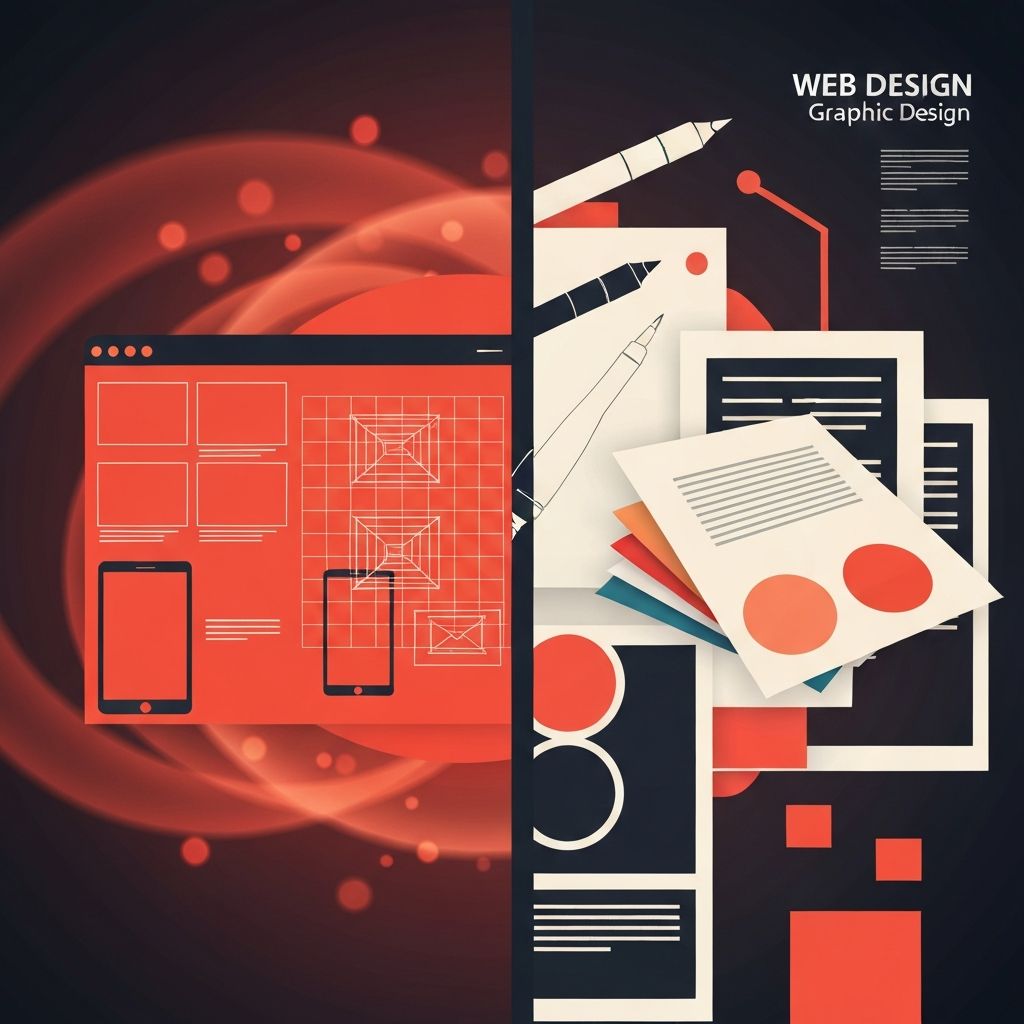
Choosing between web designing and graphic designing is one of the most common dilemmas faced by aspiring creatives. Both fields are rewarding, well-paid, and full of opportunity. Both rely on visual communication, aesthetic judgment, and design principles. Yet the day-to-day work, tools, and career paths are surprisingly different. Making the right choice depends on understanding what each career actually looks like.
How AAMAX.CO Shows Both Worlds in Action
Many real-world projects blend both disciplines, and experienced studios understand how to merge them effectively. AAMAX.CO’s website design team regularly works on branding systems, digital identities, and fully responsive websites, demonstrating how graphic design principles feed directly into high-performing web experiences. Their work is a useful reference for anyone trying to decide whether they want to specialize in one field or build a hybrid career across both.
A Quick Definition of Each Field
Graphic design focuses on visual communication through print and static digital assets — logos, brochures, posters, packaging, social media creatives, and editorial layouts. Web design focuses on interactive digital experiences — websites, web apps, landing pages, and online products. Graphic design is often about fixed compositions, while web design is about adaptive, responsive systems.
Day-to-Day Work
Graphic Designer
A graphic designer’s typical day might include sketching logo concepts, refining a brand identity, designing a print brochure, creating social media templates, or preparing files for a printer. Projects often have a clear end point: once the piece is delivered, the work is done.
Web Designer
A web designer’s day involves wireframing pages, designing UI components, prototyping interactions, collaborating with developers, and iterating based on analytics or user feedback. Projects rarely end at launch — most websites evolve continuously based on performance and user behavior.
Tools of the Trade
There is some overlap, but each field leans on its own favorites.
- Graphic designers typically use Adobe Illustrator, Photoshop, and InDesign as their daily tools, along with Affinity Designer or Procreate for specific tasks.
- Web designers rely on Figma, Adobe XD, and Sketch for design and prototyping, often supplemented with basic HTML and CSS knowledge.
Both groups use tools like Canva, Adobe Creative Cloud libraries, and stock photography platforms when relevant.
Skills That Differ
While foundations overlap, each career emphasizes different strengths.
Graphic design rewards mastery of typography, print production, color systems, illustration, and strong conceptual thinking. A successful graphic designer can communicate a complex idea through a single powerful image.
Web design rewards understanding of user experience, responsive layouts, accessibility, performance, and a basic grasp of how code works. A successful web designer thinks in systems, flows, and components.
Career Opportunities and Pay
Both careers offer strong opportunities, but demand currently tilts toward web and digital work.
Graphic designers find roles in advertising agencies, publishing, packaging, in-house brand teams, and freelance practices. Branding specialists and art directors often command high fees.
Web designers are in high demand across tech startups, SaaS companies, e-commerce brands, and digital agencies. UX and product design roles in particular tend to offer higher average salaries, because they are tied directly to revenue-driving digital products.
Remote Work Potential
Both fields can be done remotely, but web design has a slight edge. Because web products live entirely online, collaboration tools, review workflows, and deliverables are all digital. Graphic design is also largely remote-friendly, though work that involves print production or packaging sometimes requires in-person coordination.
Learning Curve and Entry Points
Graphic design tends to be easier to get started with. Beginners can produce meaningful work using one or two tools and a strong understanding of design principles.
Web design has a steeper initial curve because it blends visual design with technical concepts like responsive layouts, accessibility, and often some code. However, once the fundamentals are in place, the range of opportunities is vast.
Which Field Suits Which Personality?
Graphic design is a great fit if you:
- Love typography, illustration, and print.
- Enjoy producing finished, polished artifacts.
- Prefer projects with a clear beginning and end.
- Find satisfaction in branding and storytelling through static images.
Web design is a great fit if you:
- Enjoy thinking about user behavior and interaction.
- Like systems, patterns, and reusable components.
- Are comfortable with iteration and long-term projects.
- Are curious about how design and code work together.
Can You Do Both?
Absolutely — and many of the most successful designers do. Hybrid professionals are often called visual designers, brand designers, or product designers. They can handle a brand identity, a website, a set of social ads, and an email template without swapping teams. This versatility is highly valued by startups, agencies, and in-house teams alike, and it often leads to higher pay and more interesting work.
Final Thoughts
Web designing or graphic designing is not a question of better or worse — it is a question of fit. Both are creative, valuable, and full of opportunity. Graphic design rewards mastery of visual storytelling in fixed form. Web design rewards systems thinking and user-centered problem solving. Aspiring designers should try both, pay attention to what energizes them, and remember that careers rarely stay in a single box for long. The best path is the one that keeps you learning, creating, and excited to start the next project.
