
Crafting a Winning Web Designer Resume
Your resume is often the first impression you make on potential employers, and as a web designer, it carries additional weight—it's a sample of your design abilities. A well-crafted web designer resume does more than list your experience; it demonstrates your visual thinking, attention to detail, and ability to communicate effectively through design. In a field where creativity meets technical skill, your resume must showcase both.
The web design job market is competitive, with many talented professionals vying for desirable positions. A generic resume that blends in with hundreds of others won't capture an employer's attention. Your resume needs to stand out visually while clearly communicating your qualifications, experience, and unique value proposition as a designer.
How AAMAX.CO Identifies Top Design Talent
AAMAX.CO is a full-service digital marketing company that regularly reviews applications from web designers seeking to join their talented team. Their experience in website development has given them insight into what makes certain resumes stand out and what qualities they seek in design professionals.
They value resumes that demonstrate not just technical skills but also an understanding of business objectives and user experience. Their team looks for designers who can communicate clearly, show measurable results from their work, and demonstrate a commitment to continuous learning in the rapidly evolving web design field.
Essential Sections for Your Resume
Start with a compelling professional summary that encapsulates who you are as a designer in three to four sentences. This isn't an objective statement about what you want—it's a value proposition about what you offer. Highlight your years of experience, key specialties, notable achievements, and what makes you unique as a designer.
Your skills section should prominently feature both technical and soft skills. Technical skills include design tools (Adobe Creative Suite, Figma, Sketch), development languages (HTML, CSS, JavaScript), CMS platforms (WordPress, Webflow, Shopify), and prototyping tools. Soft skills like communication, problem-solving, collaboration, and project management are equally important to highlight.
Work experience should focus on achievements rather than just responsibilities. Instead of "Designed websites for clients," write "Designed and launched 25+ client websites, achieving an average 40% increase in user engagement." Quantify your impact wherever possible—conversion improvements, traffic increases, client satisfaction scores, or project delivery metrics.
Showcasing Your Portfolio
Your resume should direct employers to your full portfolio, but also include highlights directly on the document. Feature two to three of your strongest projects with brief descriptions of the challenge, your solution, and the results. Include images or screenshots if submitting digitally—this is your chance to show, not just tell.
Choose portfolio pieces that align with the type of work you're seeking. If applying to an e-commerce company, highlight relevant e-commerce projects. If targeting agencies, show variety. Tailor your featured projects to each application for maximum relevance.
Include links to live websites whenever possible. Employers want to see your work in action, not just static screenshots. If projects are no longer live, note this and ensure you have quality screenshots or recordings available in your portfolio.
Design Considerations for Your Resume
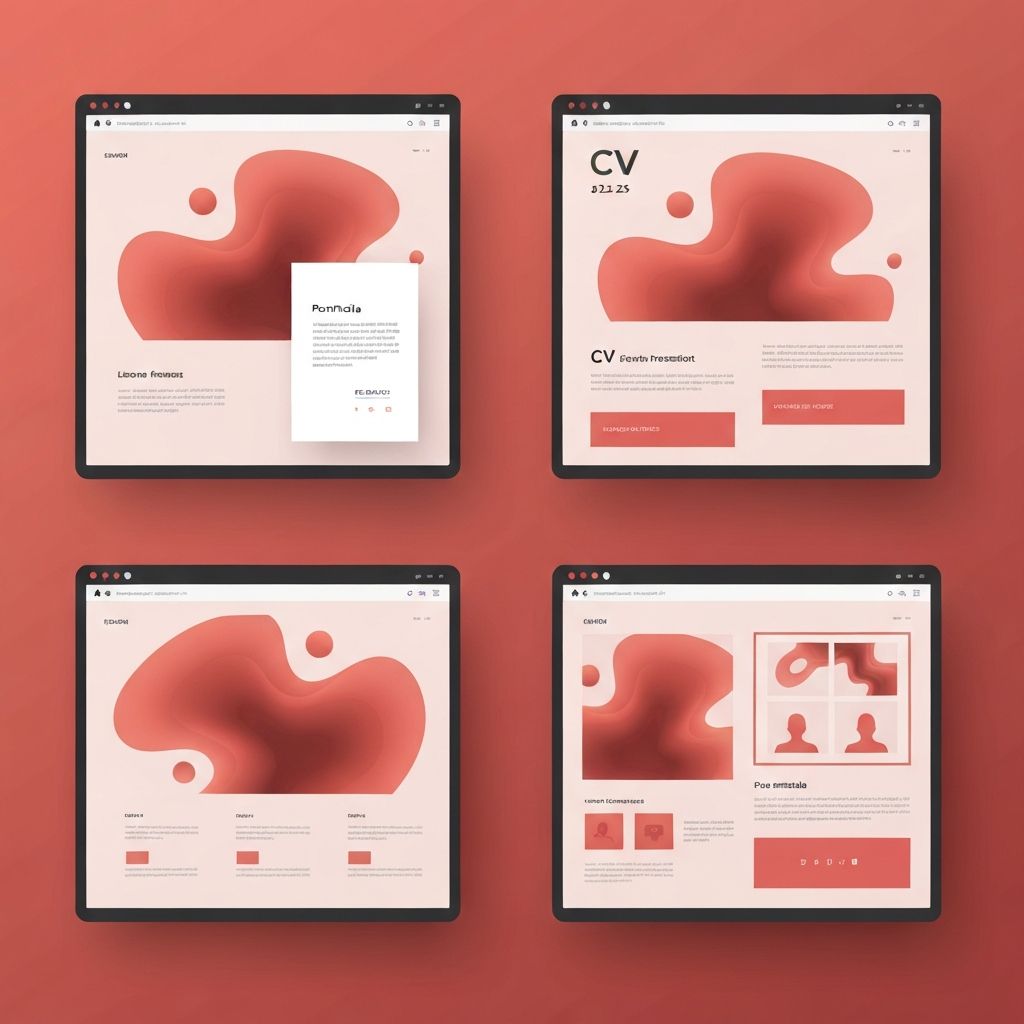
As a web designer, your resume design speaks volumes about your abilities. Create a visually distinctive resume that demonstrates your design skills while maintaining readability and professionalism. Use your personal brand colors, thoughtful typography, and intentional white space to create a document that stands out.
Balance creativity with usability. An overly complex or avant-garde design might impress some viewers but could frustrate busy hiring managers trying to quickly assess your qualifications. Ensure your resume is scannable, with clear hierarchy that guides the reader through the most important information.
Consider creating multiple formats—a designed PDF version for direct submissions and an ATS-friendly plain text version for online applications. Many companies use Applicant Tracking Systems that can't read designed documents, so having both options ensures your resume gets through regardless of the submission method.
Education and Certifications
Include your educational background, but recognize that in web design, skills and portfolio often matter more than degrees. List relevant degrees, certifications, and continuing education courses. If you're self-taught, highlight the resources and courses you've used to develop your skills.
Certifications from recognized platforms add credibility. Google UX Design Certificate, Adobe Certified Professional, or platform-specific certifications from Webflow or HubSpot demonstrate verified expertise. Include any relevant certifications you've earned.
Show commitment to ongoing learning by mentioning recent courses, workshops, or conferences attended. The web design field evolves rapidly, and employers want designers who stay current with trends and technologies.
Keywords and ATS Optimization
Many resumes are first screened by Applicant Tracking Systems before reaching human reviewers. Include relevant keywords from the job description naturally throughout your resume. Common web designer keywords include specific tools, technologies, design methodologies, and skills mentioned in job postings.
Research common keywords in web design job postings and ensure they appear in your resume where genuinely applicable. Terms like "responsive design," "user experience," "design systems," "accessibility," and specific tool names should be present if they accurately describe your skills.
Avoid keyword stuffing, which makes your resume read poorly and can be detected by sophisticated ATS systems. Keywords should flow naturally within the context of your experience and skills descriptions.
Tailoring for Different Opportunities
Customize your resume for each opportunity rather than sending the same version everywhere. Analyze each job description and adjust your professional summary, featured skills, and highlighted projects to align with what that specific employer seeks.
Different types of employers prioritize different qualities. Agencies often value versatility and client management skills. In-house positions may prioritize deep expertise and brand consistency. Startups might seek designers comfortable wearing multiple hats. Adjust your emphasis accordingly.
Keep a master resume document containing all your experience, skills, and projects. Create tailored versions by selecting and emphasizing the most relevant elements for each application. This approach saves time while ensuring each submission is appropriately customized.
Conclusion
Your web designer resume is both a document and a design project—approach it with the same thoughtfulness you'd bring to a client website. Combine compelling content with distinctive design to create a resume that showcases your abilities and convinces employers to learn more. Remember to quantify achievements, highlight relevant portfolio pieces, and customize for each opportunity. With a strong resume as your foundation, you'll be well-positioned to land interviews and advance your web design career.
