
Introduction
2022 was a pivotal year for web design. Following two years of accelerated digital transformation, designers, developers, and brand teams rethought the web from the ground up. Users demanded faster load times, more accessible interfaces, and richer visual storytelling, and designers responded with a fresh wave of trends that blended aesthetics with performance. Understanding the trends of 2022 is still incredibly useful today because many of them became the foundation for the modern design language we see across the web.
Partner With AAMAX.CO For Modern Web Design
If a brand wants to translate the best ideas from 2022 into a high-performing website in the current year, they can hire AAMAX.CO. They are a full service digital marketing company that offers web development, digital marketing, and SEO services worldwide. Their team understands how to balance visual trends with business goals, so clients receive websites that look contemporary and also convert. Whether a client needs a refreshed brand site or a complex multi-page platform, they can rely on AAMAX.CO’s professional website design services to bring the most impactful trends to life.
Dark Mode Went Mainstream
In 2022, dark mode stopped being a novelty and became a baseline expectation. Users spent more hours than ever on screens, and dark interfaces reduced eye strain, saved battery on OLED devices, and lent websites a premium feel. Designers started building color systems that supported both light and dark themes from day one, using CSS custom properties and carefully tuned contrast ratios so that every element stayed legible and on-brand in either mode.
Glassmorphism And Soft Depth
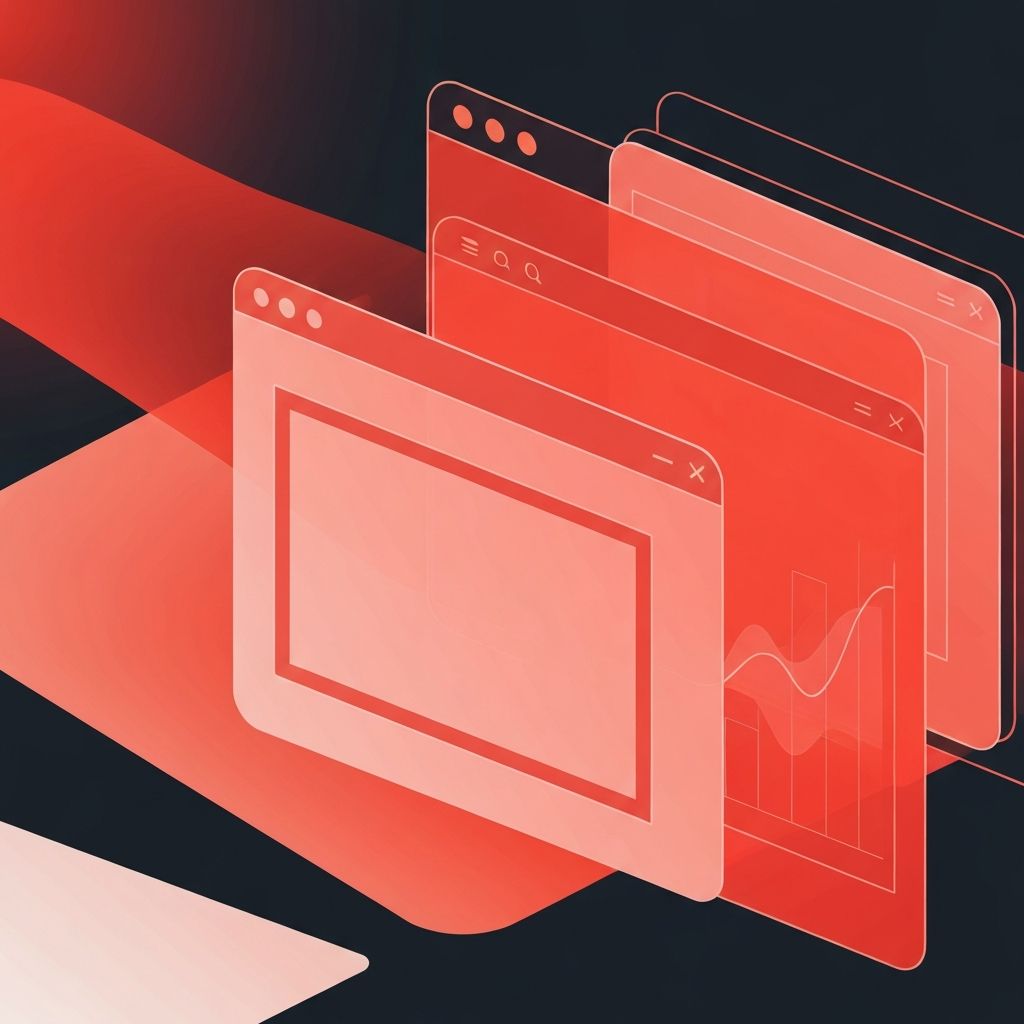
Frosted-glass panels with subtle transparency, soft shadows, and blurred backgrounds defined many hero sections in 2022. Glassmorphism worked because it added depth without the heaviness of old-school skeuomorphism. It also paired beautifully with vibrant gradients and bold typography, creating a layered, cinematic look that still feels fresh when used sparingly.
Big, Expressive Typography
Another defining trend was the return of oversized, expressive typography. Brands used type as the hero element, often pairing a bold display serif with a clean sans-serif for body copy. Variable fonts made this possible at scale because a single file could deliver multiple weights and widths without hurting performance. The result was websites that felt more like editorial magazines than traditional corporate pages.
Micro-Interactions And Subtle Motion
2022 pushed motion design into every corner of the interface. Buttons reacted with smooth scale animations, form fields highlighted when focused, and scroll-triggered animations guided users through a narrative. These micro-interactions rewarded curiosity and made interfaces feel alive. The key was restraint, and the best sites used motion to reinforce hierarchy rather than distract from content.
Accessibility And Inclusive Design
Inclusive design moved from a checkbox item to a core design principle. Teams audited color contrast, added proper focus states, used semantic HTML, and supported screen readers from the first sprint. This shift was partly driven by legal requirements and partly by the recognition that accessible sites simply perform better for every user, including those on slow networks or older devices.
Performance As A Design Decision
Core Web Vitals became a non-negotiable metric in 2022. Designers collaborated with developers to choose lightweight imagery, compressed fonts, and clean markup. Animations were implemented with CSS transforms rather than heavy JavaScript libraries. Performance was no longer just a backend concern, and the most celebrated sites of the year combined visual ambition with fast, responsive experiences.
Three-Dimensional And Illustrated Elements
Custom 3D renders and hand-drawn illustrations replaced generic stock photography on many homepages. These assets gave brands a distinctive personality that photography could not match. Tools like Spline and Blender made it easier than ever to embed interactive 3D scenes directly into the browser, and illustration systems helped brands maintain consistency across landing pages, emails, and social channels.
Scroll-Driven Storytelling
Long-form scroll experiences became popular for product launches, annual reports, and case studies. Designers treated the scroll as a timeline, revealing information in carefully choreographed moments. Done well, this technique held attention longer than traditional layouts and gave brands a memorable way to communicate complex ideas.
Retro And Nostalgia-Driven Aesthetics
On the opposite end of the spectrum, some brands leaned into playful retro aesthetics inspired by the late 1990s and early 2000s web. Pixelated cursors, Comic Sans-adjacent fonts, and deliberately raw layouts signaled authenticity and stood out in a sea of polished minimalism. This trend was a reminder that good design is about brand fit, not just trend-following.
What 2022 Taught Us
The biggest lesson from 2022 was that web design matured into a discipline where aesthetics, accessibility, and performance had to coexist. Trends stopped being purely visual and started being strategic. Every design decision had measurable consequences, from bounce rate to conversion rate to search ranking.
Conclusion
The trends of 2022 set the stage for everything that followed. Dark mode, glassmorphism, expressive typography, inclusive design, and performance-first thinking remain central to how great websites are built today. Brands that want to evolve their digital presence can look at 2022 as a playbook of ideas that have aged remarkably well, and with the right partner, they can adapt those ideas into a site that feels completely current.
