
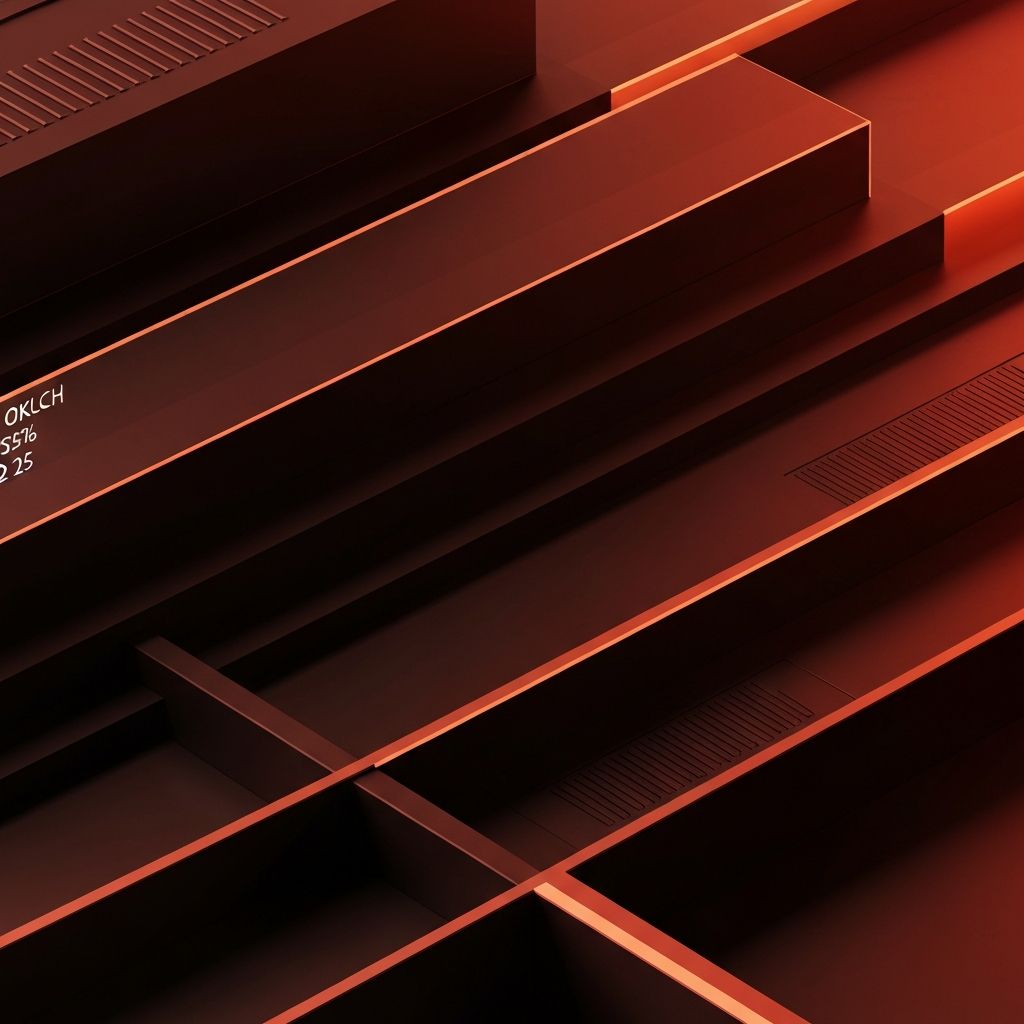
Understanding Industrial Web Design
Industrial web design is a distinctive style that draws inspiration from architecture, factories, blueprints, machinery, and raw materials. It favors structure over decoration, function over flourish, and bold geometry over delicate ornamentation. The result is a digital aesthetic that feels grounded, confident, and serious. While many websites chase soft pastels and rounded corners, industrial design embraces sharp angles, exposed grids, monospaced typography, and a sense of mechanical precision. It's particularly popular for manufacturing companies, construction firms, engineering startups, and creative studios that want to project strength and craftsmanship.
Hire AAMAX.CO for Industrial Web Design and Development
Building an industrial-style website that performs as well as it looks requires deep design and engineering expertise. AAMAX.CO offers specialized website design services that capture the rugged, structured aesthetic of industrial design while ensuring modern performance, accessibility, and SEO. Their team understands how to translate physical-world materials, like steel, concrete, and machined metal, into digital textures, layouts, and interactions that feel authentic. Whether the project is for a construction firm, a heavy equipment manufacturer, or a creative agency, they craft sites that command attention and convey credibility.
Core Visual Elements of Industrial Design
Industrial web design relies on a specific visual vocabulary. Recognizing and using these elements thoughtfully is the key to nailing the style.
- Strong grids: Visible columns, baseline grids, and structural lines that echo blueprints.
- Monospaced or condensed typography: Fonts that feel technical, like those used in engineering drawings.
- Muted, earthy color palettes: Concrete grays, steel blues, rust oranges, and matte blacks.
- Raw textures: Subtle backgrounds that mimic metal, paper, or concrete.
- Numbered sections and labels: Reinforcing the sense of order and documentation.
- Heavy weight: Bold typography, thick borders, and dense information layouts.
When combined intentionally, these elements give the site a sense of substance and engineering rigor.
Typography Choices That Define the Style
Typography carries enormous weight in industrial design. Designers often pair a bold geometric sans-serif for headlines with a monospaced font for labels and metadata. The monospaced font in particular signals a technical, almost code-like sensibility. Modern variable fonts allow designers to fine-tune weight and width to achieve the exact level of mechanical feel they want. Tight letter spacing, uppercase headings, and prominent numerals all add to the structured atmosphere.
Color Palettes Inspired by Materials
Where many design styles chase vibrant gradients, industrial design draws from the physical materials of factories and construction sites. Concrete grays, oxidized copper, gunmetal, deep navy, and rust orange create a grounded palette. Accent colors are usually limited to one or two bold hues, often a saturated red, yellow, or safety orange, used sparingly to highlight calls to action. This restraint mirrors the way industrial spaces use color, primarily for safety signage and equipment markings.
Layout Patterns That Reinforce Structure
Industrial layouts favor strong horizontal and vertical alignment, exposed grid lines, and clearly demarcated sections. Designers often include visible labels, section numbers, and metadata strips that reference the page's structure. Asymmetric layouts can work, but they should feel intentional, like architectural plans rather than chaotic compositions. Generous use of whitespace, paired with dense pockets of information, creates a rhythm similar to a well-organized workshop.
Imagery and Iconography
Photography in industrial sites tends to be high-contrast, often black and white or heavily desaturated. Subjects might include machinery, raw materials, hands at work, and architectural details. Icons are typically line-based, geometric, and slightly technical, almost like symbols from an engineering manual. CAD-style line drawings, exploded diagrams, and isometric illustrations can also reinforce the theme.
When to Use Industrial Design
Industrial web design is not for every brand. It shines for businesses that want to convey craftsmanship, durability, precision, and seriousness. Manufacturing companies, architecture firms, construction businesses, audio equipment makers, and certain creative studios all benefit from this aesthetic. Consumer brands focused on warmth and friendliness usually need a softer style. The key is matching the design language to the brand's actual personality and audience expectations.
Balancing Boldness With Usability
The biggest risk with industrial design is letting style overwhelm function. Heavy typography can become hard to read at small sizes. Dense grids can feel cramped on mobile. Muted palettes can hurt accessibility if contrast isn't carefully managed. Smart designers continuously test their work against real users and devices, making sure that the rugged aesthetic never gets in the way of clear navigation, fast load times, and inclusive experiences.
Final Thoughts
Industrial web design is a powerful style for brands that want to project structure, strength, and craftsmanship. By drawing inspiration from architecture, engineering, and manufacturing, it creates digital experiences that feel grounded and authentic. Done well, it stands out in a sea of soft, generic websites and leaves a lasting impression on every visitor.
