
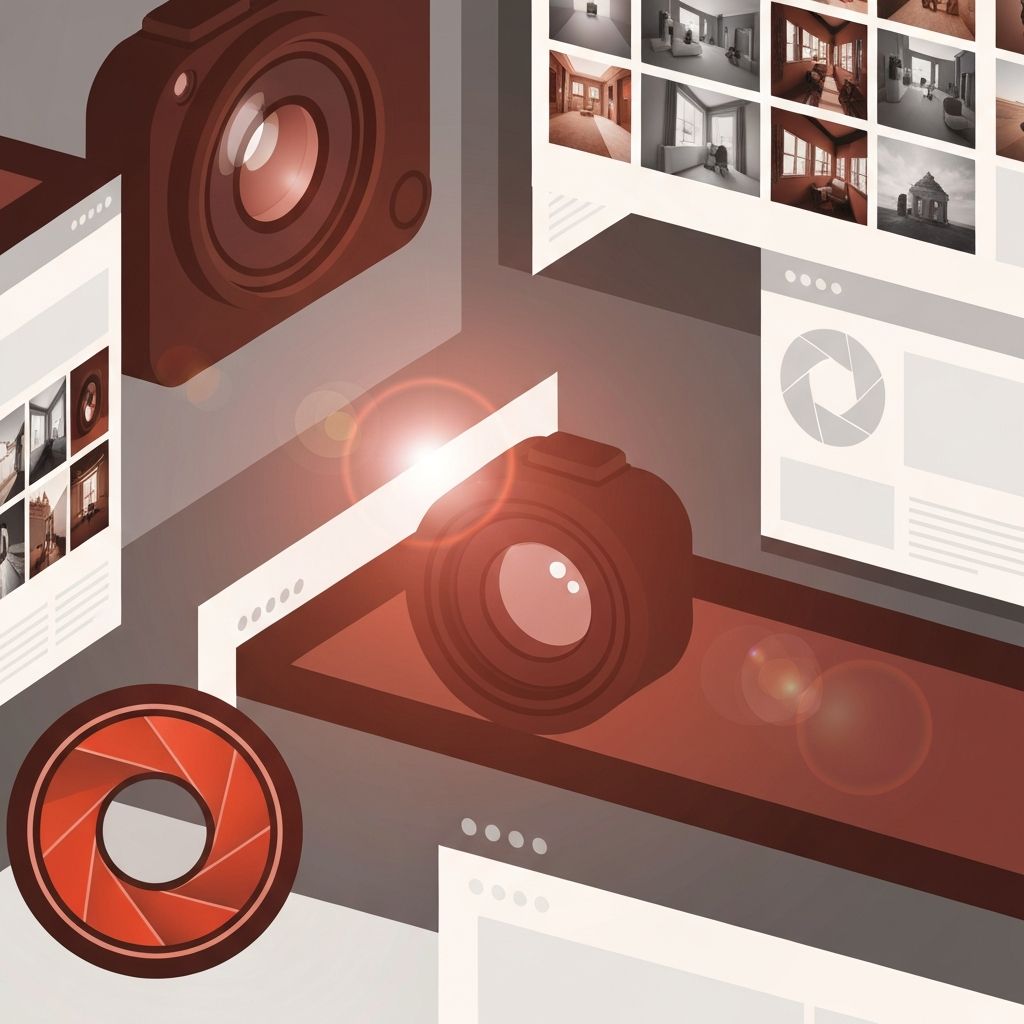
Why Photographers Need a Strategic Website
Photography is a visual craft, but the business of photography is built on trust, clarity, and memorable brand experiences. While social platforms are excellent for discovery, they compress images, bury contact details, and force photographers to compete with an endless feed of other creators. A dedicated website, by contrast, gives a photographer full control over how their work is presented, how their story is told, and how prospective clients move from admiration to inquiry.
For wedding, portrait, commercial, product, and editorial photographers alike, the website is the centerpiece of the brand. It is where couples decide whether to book a consultation, where art directors evaluate style fit, and where returning clients come back to share referrals. A thoughtfully designed website turns a scroll into a conversation and a conversation into a contract.
Hire AAMAX.CO for Photographer Web Design
Photographers who want a website that matches the quality of their imagery can partner with AAMAX.CO, a full-service digital agency specializing in design, development, and marketing. Their team understands how to balance dramatic visuals with fast performance, clean typography, and conversion-focused layouts. They build photography websites that feel like curated exhibitions while quietly working as powerful lead generation tools. With their experience in website design, photographers can present their portfolios with the elegance, speed, and professionalism their craft deserves.
Designing Around the Image
The cardinal rule of photographer web design is that the image must always be the hero. Navigation, typography, and layout should exist to frame and support the work, never to compete with it. Generous negative space, restrained color palettes, and minimal chrome allow photographs to breathe and make an emotional impact. A full-bleed hero image paired with a subtle menu often communicates more than any tagline ever could.
Typography must be chosen with the same care as a lens. A refined serif pairs beautifully with fine-art and wedding photography, while a modern sans-serif often suits commercial and editorial work. Consistency across headings, body copy, and captions creates a sense of curation that signals professionalism and attention to detail. Every design decision should reinforce the photographer's unique visual voice.
Portfolio Architecture That Converts
A strong portfolio is organized, not exhaustive. Rather than dumping thousands of images into one gallery, the website should present focused collections that reflect the services the photographer wants to book more of. A wedding photographer might highlight full wedding stories, engagement sessions, and destination weddings, while a commercial photographer might organize work by industry, such as hospitality, fashion, and food.
Each gallery should have a clear narrative arc, opening with a strong hook image, building through supporting frames, and closing with a memorable final shot. Limiting the number of images in each set keeps the experience tight and prevents decision fatigue. Equally important, every gallery should end with a contextual call to action, such as "Inquire about your wedding" or "Request a commercial quote," so that inspired visitors have a clear next step.
Performance Without Compromise
Photography websites are notoriously heavy. Large files, high resolutions, and immersive layouts can easily result in slow load times that damage both user experience and search rankings. Modern responsive image techniques, next-generation formats such as WebP and AVIF, lazy loading, and a robust content delivery network are essential. Images must look stunning while loading quickly on mobile data connections.
Performance also protects conversion. Visitors who wait more than a few seconds for a gallery to appear often leave before seeing a single image. Careful technical website development ensures that the site feels instantaneous on any device, preserving the drama of the photography without punishing the visitor's patience.
Telling the Story Behind the Lens
Clients do not just hire a portfolio; they hire a person. An authentic "About" page with a warm portrait, a concise story, and a clear sense of values helps prospective clients feel an emotional connection before the first email. Behind-the-scenes content, client testimonials, and editorial features further humanize the brand and reduce the perceived risk of booking.
Blog posts that showcase full sessions, share creative process notes, or offer tips for clients preparing for a shoot also deliver powerful SEO benefits. These posts are natural magnets for long-tail search queries like "what to wear for a family photo session" or "best locations for engagement photos," and they establish the photographer as a knowledgeable guide rather than just a service provider.
Inquiry Flows and Client Experience
Contact pages should feel like an invitation, not a gate. Friendly copy, a thoughtful inquiry form, and a clear explanation of what happens next reduce hesitation. For high-end services, an investment guide or pricing starting point helps qualify leads and filters inquiries to those who are a good fit. For commercial work, a structured project brief form signals that the photographer is used to working at a professional level.
Integration with scheduling tools, client galleries, and contract platforms turns the website into the beginning of a smooth client experience. When the website experience mirrors the calm, organized way a professional photographer runs a session, clients feel reassured that they are in good hands.
A Living Portfolio, Not a Time Capsule
A photographer's website should evolve with the work. Regular updates, fresh galleries, seasonal campaigns, and refined service pages keep the brand feeling current and intentional. Paired with analytics, SEO, and ongoing creative direction, a well-designed website becomes a long-term asset that not only reflects the photographer's artistry but actively drives their business forward in a highly visual, intensely competitive market.
