
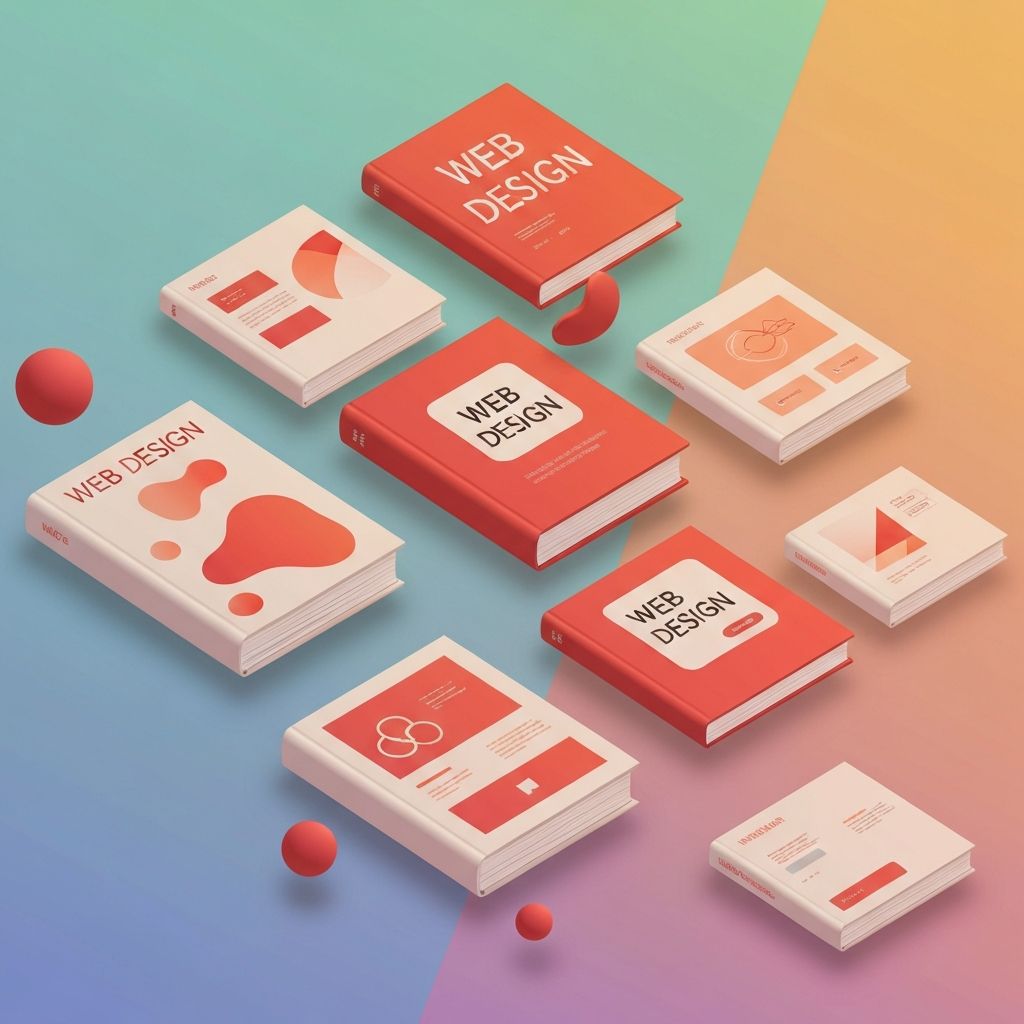
Why Web Design Books Are Still Irreplaceable
In an era of endless tutorials, newsletters, and short-form videos, books might feel outdated. For serious designers, they are the opposite. A well-written web design book represents months — sometimes years — of thinking condensed into a single coherent argument. That depth is nearly impossible to find in scattered online content. Books teach you not only tactics but frameworks, mental models, and the reasoning behind decisions. They reshape how you think, not just what you do.
For anyone building a lasting career in design, building a personal library is one of the most rewarding long-term habits. Unlike trends, great books tend to age well, and the best ones will still be teaching you something new on your third or fourth read.
Pairing Book Learning with Real Practice, Supported by Teams Like AAMAX.CO
Reading alone is never enough. The biggest returns come when the lessons from a book are applied to real projects, preferably with feedback from experienced professionals. Agencies that ship work continuously — including AAMAX.CO, a full-service digital marketing company offering web development, digital marketing, and SEO services worldwide — often bridge the gap between theory and practice by turning book-driven ideas into tested processes on client projects. Learning in that environment accelerates growth because every principle is tested against a real deadline, a real audience, and a real business outcome.
Categories of Web Design Books to Build Into Your Library
A balanced library covers several complementary areas:
- Fundamentals: typography, grid systems, color theory, and composition
- User experience: research, usability, and interaction design
- Front-end development: HTML, CSS, JavaScript, and modern frameworks
- Design systems and process: scaling design, documentation, and collaboration
- Strategy and business: pricing, client relationships, and running a design practice
- Creative inspiration: art direction, brand storytelling, and visual culture
Most designers lean too heavily on one or two of these categories. A conscious effort to read across all six produces a noticeably more versatile practitioner.
How Books Differ From Blogs and Videos
Blogs and videos are excellent for recent developments, specific how-tos, and inspiration. Books excel at structure. They give you a sustained argument that develops chapter by chapter, which is nearly impossible to replicate in fragmented formats. Reading a good book on typography, for instance, reshapes how you see every website for the rest of your career — not just the one you are building this week.
That said, books should complement, not replace, other formats. Your blogs and videos keep you current; your books keep you grounded.
Choosing the Right Book at the Right Time
The best book for you depends on where you are in your journey:
- Beginners benefit most from fundamentals: typography, grid, color, and basic HTML/CSS.
- Intermediate designers often need UX, interaction design, and responsive thinking.
- Senior designers gravitate toward design systems, leadership, and strategy.
- Specialists deepen in one area — accessibility, motion, performance, or research.
Trying to read advanced strategy books too early can feel discouraging; revisiting fundamentals too late can feel redundant. Matching the book to your stage keeps motivation high.
How to Read a Design Book Effectively
Design books are not meant to be skimmed like novels. Try this approach:
- Read one chapter per week, not one chapter per sitting
- Underline or highlight sparingly — only what you truly want to revisit
- At the end of each chapter, write a short summary in your own words
- Pick one concept to test immediately on a current project
- Review your notes before starting the next chapter to reinforce retention
A single book absorbed this deliberately teaches more than ten books read passively.
Building a Library That Lasts
A lasting library is built one intentional purchase at a time. Buy books that challenge you, not only books that flatter what you already know. Keep them where you will actually see them — on a shelf in your workspace, not archived in a digital pile. Revisit favorites every few years; you will find different lessons each time as your experience deepens.
Teams that deliver complex web application development projects often maintain shared libraries so junior and senior designers can borrow, annotate, and discuss books together. This shared reading culture accelerates onboarding and aligns the team around common frameworks.
Common Pitfalls With Design Books
- Buying without reading: unread stacks create guilt instead of growth.
- Reading only the latest hype: timeless classics often outperform trendy new releases.
- Skipping exercises: many design books include practice prompts; ignoring them halves the value.
- Hero worship: admiring an author should not mean accepting every opinion uncritically.
- Neglecting adjacent fields: psychology, writing, and architecture offer profound design insights.
Sharing What You Read
Writing and talking about books is one of the best ways to cement what you learn. Share a short post on LinkedIn summarizing your favorite takeaway. Discuss key ideas with teammates over coffee. Start a small reading group with other designers. Teaching a concept is the final test of understanding it, and it forces you to clarify ideas that might otherwise stay fuzzy.
Final Thoughts
Web design books are a quiet superpower in a noisy industry. They build the foundations, frameworks, and taste that separate long-term professionals from short-term trend-followers. Whether you invest in classics on typography, modern volumes on design systems, or niche works on accessibility and motion, every serious book you finish leaves a lasting mark on your craft. Combine that steady reading with hands-on practice — ideally alongside experienced practitioners like the team at AAMAX.CO — and you will keep growing long after the latest trend has disappeared from everyone else's feed.
