
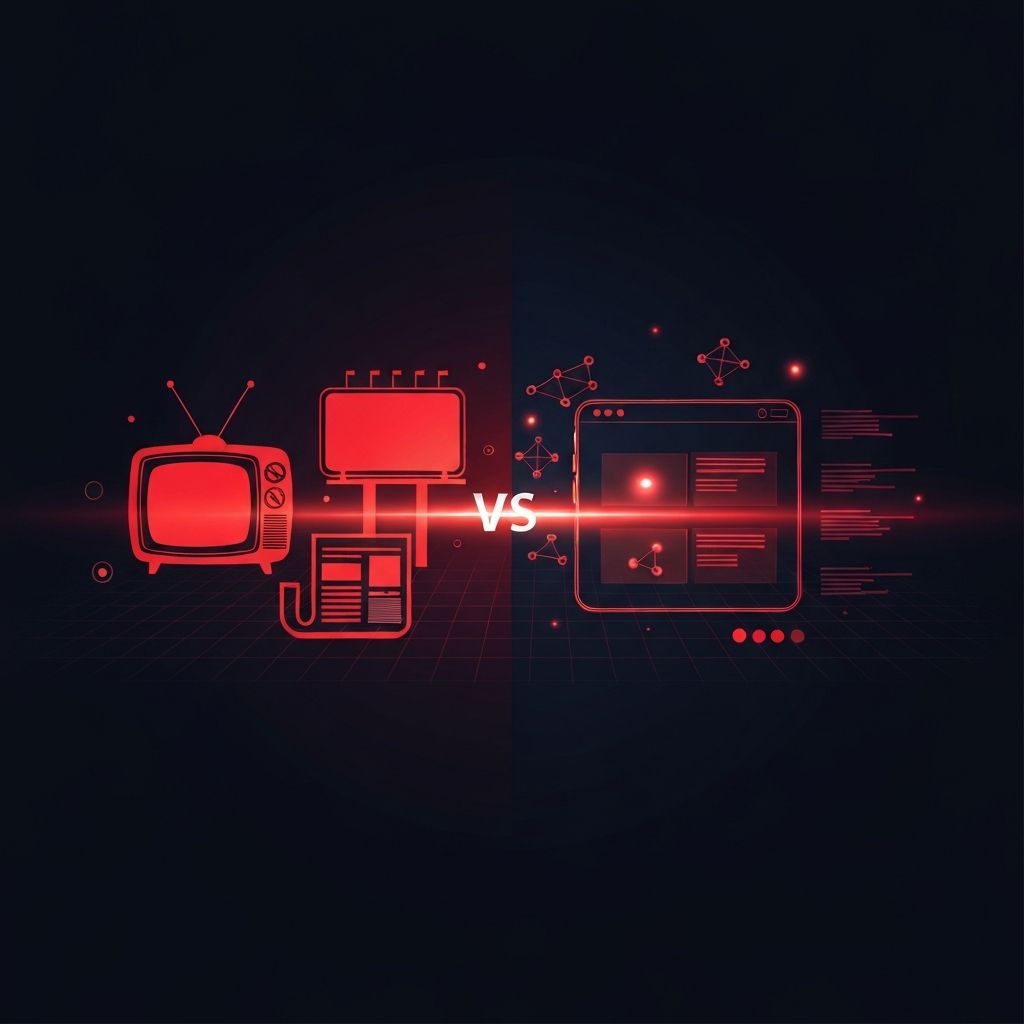
Understanding Traditional Marketing vs Digital Marketing
Marketing has evolved dramatically over the past two decades. Traditional marketing — encompassing television, radio, print, billboards, and direct mail — once dominated brand-building budgets. Today, digital marketing channels such as search engines, social media, email, and connected TV account for the majority of advertising spend. Yet, neither approach is inherently superior. The most effective marketers understand the strengths and weaknesses of both, blending them strategically to reach customers wherever they are. This article explores the key differences and how modern brands can leverage each effectively.
How AAMAX.CO Bridges the Old and New
AAMAX.CO is a global digital marketing company that helps brands transition from traditional-only campaigns to integrated, omnichannel strategies. They specialize in web development, SEO, paid advertising, and social media management, ensuring brands have the digital infrastructure to complement their traditional efforts. For businesses looking to modernize their marketing mix, AAMAX.CO offers expert guidance — connect with them at https://aamax.co.
What Is Traditional Marketing?
Traditional marketing refers to non-digital channels: television commercials, radio spots, newspaper and magazine ads, outdoor billboards, direct mail, and event sponsorships. These channels have been used for over a century and remain effective for building broad brand awareness, especially among older demographics or in regions with lower digital penetration. Traditional marketing tends to require larger upfront investments and longer planning cycles.
What Is Digital Marketing?
Digital marketing encompasses any marketing activity conducted through online channels — websites, search engines, social media, email, mobile apps, streaming platforms, and more. The hallmark of digital marketing is its measurability, targeting precision, and ability to scale or pause campaigns instantly. Modern digital channels include SEO, paid search, programmatic advertising, content marketing, influencer marketing, and email automation.
Reach and Targeting
Traditional marketing offers broad reach but limited targeting. A television commercial reaches everyone watching the program, regardless of relevance. Digital marketing flips this equation. With tools like Facebook's audience builder or Google ads, marketers can target users by demographics, interests, behaviors, location, and even purchase intent. This precision dramatically reduces wasted impressions.
Cost and ROI
Traditional channels often require significant upfront investment — a 30-second prime-time TV spot can cost hundreds of thousands of dollars. Digital marketing democratizes advertising, allowing small businesses to start with budgets as low as a few dollars per day. Crucially, digital channels provide detailed performance data, making it easy to calculate return on investment and reallocate budget to top-performing campaigns.
Measurement and Analytics
Measuring traditional campaigns relies on surveys, sales lift studies, and broad metrics like reach and frequency. Digital marketing provides granular metrics: clicks, impressions, conversions, time on page, scroll depth, and customer lifetime value. This data-driven approach enables continuous optimization and rapid learning.
Speed and Flexibility
Traditional campaigns often take weeks or months to plan and produce. Once launched, they are difficult to modify. Digital campaigns can launch in minutes, be paused instantly, and be optimized in real time based on performance. This agility is invaluable in fast-moving markets.
Engagement and Interactivity
Traditional marketing is largely one-way — brands broadcast messages to passive audiences. Digital marketing invites two-way engagement through comments, shares, reviews, and direct messages. A strong social media marketing strategy turns customers into advocates and creates feedback loops that inform product and brand decisions.
Long-Term Equity Through Search
One of digital marketing's biggest advantages is the ability to build long-term equity through search. Investing in search engine optimization creates assets that continue delivering traffic for years. Traditional marketing rarely produces this kind of compounding return.
Where Traditional Still Shines
Despite digital's dominance, traditional marketing retains strengths. Broadcast TV is unmatched for reaching mass audiences quickly. Outdoor billboards build brand prestige and serve as cultural touchstones. Direct mail can stand out in an inbox-saturated world. The best campaigns often combine traditional reach with digital targeting and measurement.
The Rise of Hybrid Strategies
Modern marketers no longer view traditional and digital as opposing forces. Instead, they integrate channels into cohesive customer journeys. A TV ad might drive viewers to search for the brand on Google, where SEO and paid search capture demand. Direct mail can include QR codes that lead to landing pages. Working with a digital marketing consultancy helps brands design these integrated strategies effectively.
Conclusion
Traditional marketing vs digital marketing is no longer an either-or question. The most successful brands embrace both, leveraging traditional channels for awareness and digital channels for targeting, engagement, and measurement. By partnering with experienced agencies like AAMAX.CO, businesses can build hybrid strategies that combine the best of both worlds and deliver results across every customer touchpoint.
