
Introduction
2021 was a year when web design had to adapt to a world in transition. With remote work, hybrid learning, and e-commerce booming, users spent more time online than ever before. Designers responded with calmer interfaces, stronger accessibility, and experimental visual languages like glassmorphism and neumorphism. The year blended bold creativity with a noticeable focus on digital wellbeing and inclusivity.
How AAMAX.CO Builds Websites for the Modern User
Building for today's audience means understanding how they live and browse. AAMAX.CO creates websites that reflect the modern shift toward calmer, more accessible, and more purposeful digital experiences. Their team combines expressive design with fast, reliable engineering, helping businesses meet users where they are. Whether a brand needs a marketing site, a custom portal, or an e-commerce experience, they bring the right mix of creativity and strategy.
Neumorphism Gets a Second Wave
Neumorphism, a soft-shadow style that makes interfaces feel sculpted, got renewed attention in 2021. Designers used it for dashboards, music players, and creative tools. While pure neumorphism raised accessibility concerns, its influence pushed designers to experiment with depth, softness, and tactile feedback in healthier ways.
Glassmorphism Emerges
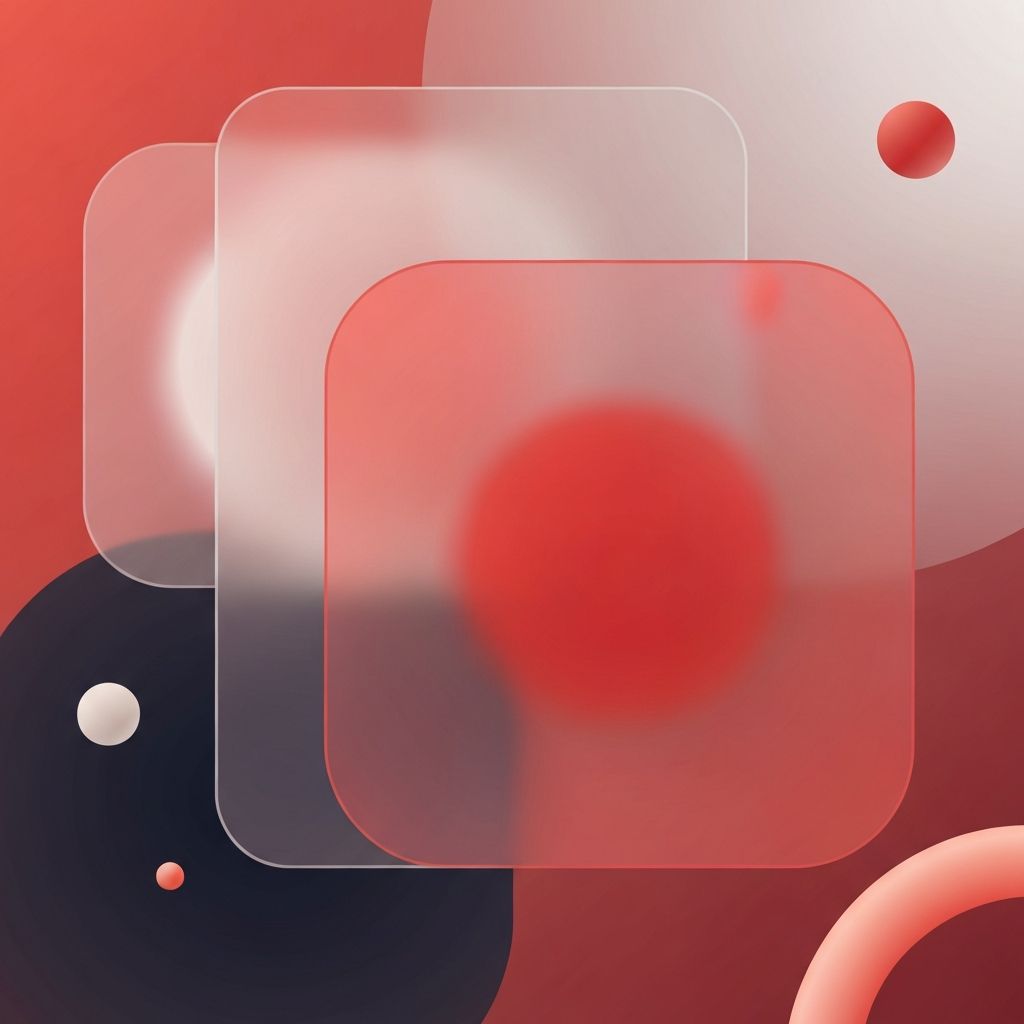
Glassmorphism, inspired partly by frosted-glass effects in popular operating systems, became a signature look of 2021. Translucent panels with subtle backgrounds gave interfaces a modern, premium feel. When used with strong contrast and readable text, the style added elegance to hero sections and cards.
Dark Mode Everywhere
Dark mode, already popular in 2019 and 2020, became nearly universal by 2021. Users expected both light and dark options, and designers built dual-theme systems from the start. Many brands used dark mode as an opportunity to experiment with dramatic color and photography styling.
3D and Immersive Experiences
3D graphics became easier to produce and render in 2021. Designers added 3D illustrations, rotating product views, and interactive scenes to landing pages. Combined with storytelling, these experiences blurred the line between websites and interactive media. Many modern e-commerce and SaaS landing pages continue this trend.
Retro and Nostalgic Design
A wave of nostalgia hit web design in 2021. Retro color palettes, bold 80s and 90s typography, and playful motifs appeared across brands targeting younger audiences. This trend offered a counterweight to overly polished minimalism and gave brands a way to stand out.
Calm and Comfortable Interfaces
After a challenging year globally, designers leaned into calmer interfaces in 2021. Softer palettes, gentle animations, and breathing room in layouts reduced digital fatigue. The goal was to create experiences that felt welcoming rather than overstimulating, a principle that continues to shape modern design.
Accessibility as a Baseline
Accessibility moved from trend to baseline in 2021. Large, readable text, strong contrast, accessible color palettes, and keyboard-friendly interactions became standard expectations. Designers began treating accessibility audits as a required step, not a nice-to-have. Reliable website development still reflects these accessibility principles today.
Custom Cursors and Micro-Interactions
Designers experimented with custom cursors and advanced micro-interactions in 2021. From hover previews to cursor-following elements, these details added craft to portfolio sites and product pages. The best examples enhanced engagement without hurting usability or performance.
Performance-Focused Design
With Core Web Vitals gaining importance in Google's ranking algorithm, performance-focused design took center stage in 2021. Designers considered image weight, font loading, and animation cost as part of the creative process. Fast sites became a design requirement as much as a technical one.
Sustainable Web Design
Sustainability entered the web design conversation more prominently in 2021. Designers and developers discussed the carbon footprint of websites and worked to reduce page weight, minimize unnecessary requests, and choose greener hosting. Lean sites were both better for the planet and better for users.
Inclusive Imagery
Representation in photography and illustration became more intentional in 2021. Brands chose diverse imagery that reflected real audiences, avoiding clichéd stock photos. This shift strengthened brand authenticity and made websites more relatable.
Storytelling Through Scroll
Scroll-based storytelling matured in 2021. Long-form landing pages used layered animations, parallax, and timed reveals to guide users through narratives. Done well, this approach turned marketing pages into engaging experiences that held attention far longer than static alternatives.
Final Thoughts
The web design trends of 2021 reflected a more thoughtful internet. Calmer interfaces, stronger accessibility, immersive visuals, and performance-first thinking combined to create experiences that felt both creative and kind. By applying these lessons and working with experienced partners like those at AAMAX.CO, businesses can build websites that are not only visually impressive but also aligned with how modern users actually want to browse, shop, and connect.
