
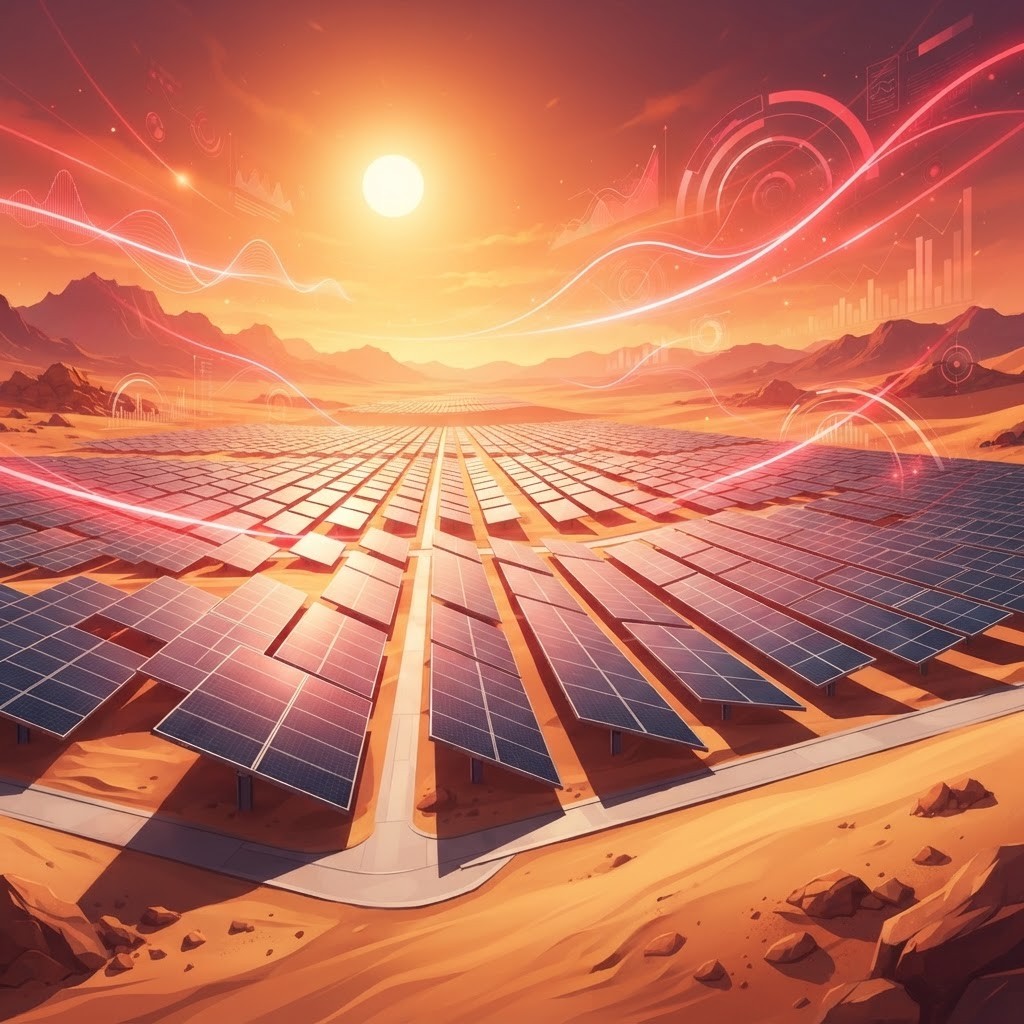
Why Solar Energy Thrives in Mauritania
Mauritania receives abundant sunshine throughout the year, with vast desert expanses offering ideal terrain for large photovoltaic installations. Average daily solar irradiation ranks among the strongest globally, giving the country a natural competitive advantage in solar generation. As electricity demand grows and the government pursues energy diversification, solar has become the fastest-scaling clean technology in the national mix.
From flagship utility-scale plants near the capital to decentralized systems powering remote villages, a diverse group of companies is turning Mauritania's sunshine into reliable, affordable power. Here are the leaders driving that growth.
1. SOMELEC Solar Division
The national utility integrates major solar plants into the grid and oversees their reliable operation. SOMELEC's flagship photovoltaic facilities have significantly increased daytime generation capacity, reducing reliance on costly thermal power and demonstrating the viability of solar at scale in the Sahelian environment.
2. Masdar
Masdar's engineering and financing strength helped deliver landmark utility-scale solar capacity in Mauritania. The company's track record in desert solar across the Middle East and Africa translates directly to Mauritanian conditions, making it a trusted partner for high-performance installations.
3. Green Enesys
Green Enesys focuses on developing and operating solar assets in emerging markets. Its interest in Mauritania reflects the exceptional resource quality, and the company brings disciplined project management that ensures plants are built to international performance standards.
4. Sterling and Wilson Solar
A globally recognized solar EPC (engineering, procurement, and construction) specialist, Sterling and Wilson brings deep technical expertise to large photovoltaic projects. Its capabilities in module selection, tracking systems, and grid integration help maximize energy yield in high-temperature desert climates.
5. Scatec Solar
Scatec is known for delivering bankable solar projects across Africa with an integrated development-to-operation model. The company's emphasis on local partnerships and long-term operations makes it well suited to Mauritania's growing solar pipeline.
6. Qair (formerly Quadran International)
Qair develops and operates renewable assets internationally, with solar as a core focus. Its modular approach allows it to serve both grid-connected plants and industrial self-consumption projects, a valuable capability as Mauritanian mining and processing firms seek cleaner power.
7. PowerX Mauritania
Emerging local and regional installers such as PowerX serve the commercial and industrial rooftop segment, delivering solar systems for businesses seeking to cut electricity costs and improve reliability. These firms play a crucial role in decentralizing solar adoption beyond utility projects.
8. Enviromena
Enviromena specializes in commercial and industrial solar across the Middle East and Africa. Its expertise in behind-the-meter installations helps Mauritanian enterprises reduce operating expenses while contributing to national decarbonization goals.
9. Solarcentury / Statkraft
With strong engineering heritage and access to significant capital, this developer profile targets utility-scale solar in high-resource markets. Its focus on quality construction and long-term asset performance supports grid stability and investor confidence in Mauritania.
10. Off-Grid Solar Providers
A growing community of off-grid and mini-grid providers delivers solar home systems and village-scale installations to remote desert and pastoral communities. These solutions bring electricity to areas beyond the reach of the central grid, powering lighting, water pumping, refrigeration, and communications.
Services and Solutions Offered
Solar companies in Mauritania provide a full spectrum of services: feasibility studies, system design, procurement, construction, grid connection, and long-term operations and maintenance. Many also offer battery storage integration to extend solar availability into the evening, and financing structures such as power purchase agreements that let customers adopt solar with minimal upfront cost.
Industry Trends and Benefits
Falling module prices, improved tracking technology, and cheaper battery storage are steadily lowering the cost of solar electricity in Mauritania. This makes solar increasingly competitive with conventional generation. The benefits extend beyond cost: solar reduces fuel imports, improves energy security, cuts emissions, and creates skilled local employment in installation and maintenance.
Conclusion
Solar energy is at the heart of Mauritania's clean power transition. Backed by world-class sunshine and a capable roster of developers, EPC contractors, and off-grid specialists, the sector is poised for sustained expansion. The companies highlighted here are helping the nation convert its greatest natural asset into a foundation for economic growth and energy independence.
