
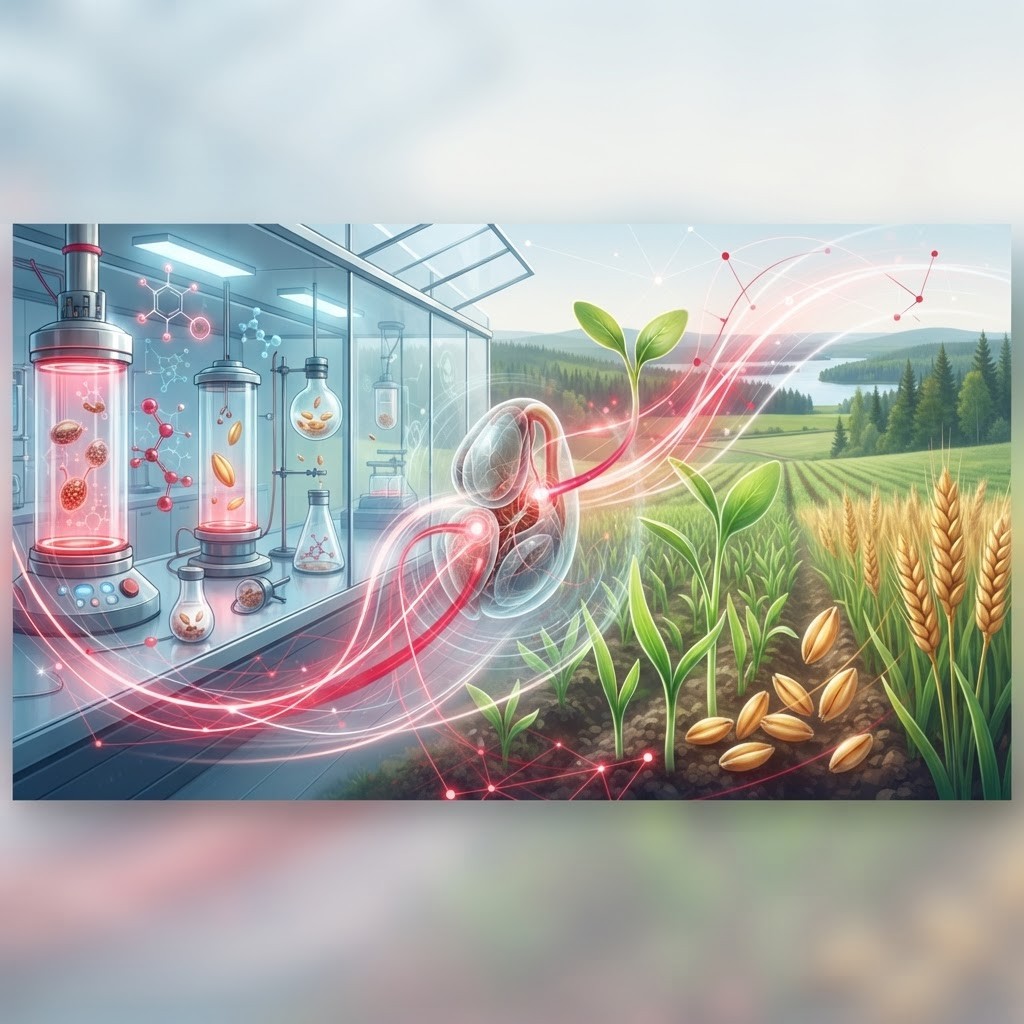
The Foundation of Finnish Agriculture
Seeds are the starting point of every harvest, and in Finland's demanding northern climate, quality seed is especially critical. The country's seed companies specialise in developing and supplying varieties adapted to short growing seasons, long daylight hours, and cold winters. Their work underpins the productivity and resilience of Finnish agriculture, from cereals and grasses to vegetables and specialty crops.
Finnish seed companies combine traditional plant breeding with modern science to produce varieties that offer strong yields, disease resistance, and climate adaptability. By tailoring seeds to local conditions, they help farmers achieve reliable results despite the challenges of northern cultivation.
The Importance of Adapted Varieties
Not all crop varieties thrive in Finland's climate. Seed companies invest heavily in breeding programmes to develop cultivars that mature quickly, resist regional pests and diseases, and tolerate cold conditions. This localisation is essential; imported varieties often underperform without adaptation to Finnish growing seasons.
Grasses and forage crops are particularly important, supporting Finland's significant dairy and livestock sectors. Cereal varieties such as barley, oats, and wheat are also central, alongside potatoes, oilseeds, and vegetables. Each requires careful breeding to balance yield, quality, and resilience.
Ten Leading Seed Companies
Boreal Plant Breeding is Finland's foremost plant breeding company, developing cereal, grass, and other varieties specifically suited to northern conditions.
Hankkija supplies a wide range of seeds and agricultural inputs, serving farmers with adapted varieties and expert support.
Tilasiemen focuses on certified seed production, ensuring farmers have access to high-quality, reliable planting material.
Naturcom offers grass and forage seed mixtures designed for productive and durable pastures.
Peltosiemen specialises in field crop seeds, providing cereals and other varieties tailored to Finnish agriculture.
SW Seed Finland operations contribute internationally informed breeding and quality seed to the local market.
Berner Agriculture supplies seeds alongside crop protection and nutrition products, supporting comprehensive farm management.
Nordic Maize partners work on forage and specialty crop seed suited to changing climate conditions.
K-maatalous seed division provides farmers with a broad assortment of adapted varieties and agronomic advice.
Vihervakka focuses on grass and green-space seed, serving both agricultural and landscaping needs.
Innovation in Plant Breeding
Modern seed development blends conventional breeding with advanced techniques such as marker-assisted selection. These methods accelerate the creation of improved varieties, allowing companies to respond more quickly to emerging challenges like new diseases or shifting climate patterns.
Research collaboration is a hallmark of the Finnish seed sector. Companies work closely with universities and agricultural institutes to advance genetics, agronomy, and sustainability. This cooperation ensures that new varieties deliver tangible benefits to farmers while supporting environmental goals.
Sustainability and Climate Resilience
As climate change alters growing conditions, seed companies play a vital role in helping agriculture adapt. Developing varieties that tolerate variable weather, resist pests, and use resources efficiently is essential for future food security. Finnish breeders are actively working to create resilient crops that maintain productivity under changing conditions.
Certified, high-quality seed also contributes to sustainability by improving yields and reducing the need for excessive inputs. Healthy, vigorous crops make better use of nutrients and water, lowering environmental impact while supporting profitable farming.
Choosing Quality Seed
For farmers, selecting the right seed involves considering yield potential, disease resistance, maturity timing, and suitability for local conditions. Certification and reliable supply are equally important, ensuring that planting material meets quality standards. The expertise and support offered by seed companies can significantly influence a farm's success.
Certification and Quality Assurance
Seed certification is a cornerstone of the Finnish seed industry, providing farmers with confidence in the purity, germination rates, and genetic identity of the material they purchase. Rigorous testing and inspection ensure that certified seed is free from contaminants and true to variety, reducing the risk of crop failure. This commitment to quality assurance protects both farmers and the broader agricultural system, safeguarding yields and preventing the spread of diseases or invasive species. For seed companies, maintaining certification standards is fundamental to their credibility and success.
Traceability is increasingly important as well. Buyers want assurance that seeds are produced responsibly and can be tracked through the supply chain. Finnish seed companies invest in documentation and quality management systems that meet these expectations, reinforcing trust with farmers and regulators alike. This transparency supports the sector's reputation for reliability and high standards.
Supporting the Broader Food System
Seed companies occupy a strategic position at the very beginning of the food supply chain, and their work ripples outward across the entire agricultural economy. By developing productive, resilient varieties, they enable farmers to grow more food with fewer resources, contributing to affordability and sustainability. Their research also helps agriculture adapt to challenges such as climate change, emerging diseases, and shifting consumer preferences. In this sense, investment in seed development is an investment in the long-term security and resilience of the entire Finnish food system.
Conclusion
Finland's seed companies form the essential foundation of the nation's agriculture, delivering adapted, high-quality varieties that thrive in challenging conditions. Through dedicated breeding, research, and a focus on sustainability, they empower farmers to achieve strong, reliable harvests. As agriculture faces evolving climate and market demands, these companies remain crucial partners in securing Finland's food future.
