
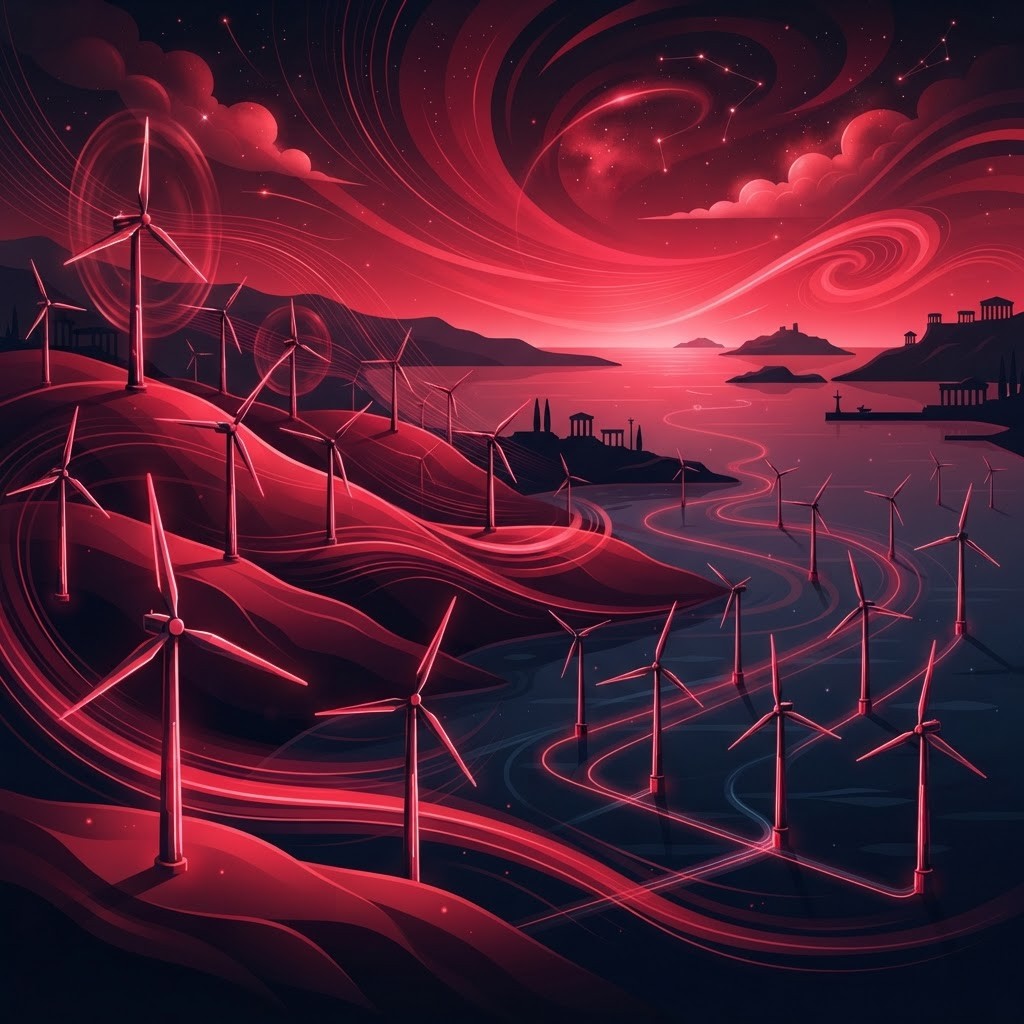
Harnessing the Winds of Greece
Greece enjoys some of the strongest and most consistent winds in Europe, particularly across its islands, mountain ranges, and coastal areas. This natural resource has made wind energy a pillar of the country's renewable energy strategy. The best wind energy companies in Greece are harnessing this power to generate clean electricity, reduce emissions, and strengthen the nation's energy security.
Wind energy has grown substantially in Greece over the past two decades, with hundreds of wind farms now operating across the country. As technology improves and offshore wind emerges as a new frontier, the sector is poised for continued expansion. Leading companies bring the expertise, capital, and vision needed to develop and operate wind projects that power homes and businesses reliably.
The Greek Wind Energy Sector
The wind energy sector in Greece encompasses onshore wind farms across the mainland and islands, with offshore wind development on the horizon. Onshore wind has long been the backbone of the sector, benefiting from excellent wind conditions in regions such as central Greece, the Peloponnese, and the Aegean islands. Companies operate across the value chain, from resource assessment and development to construction, operation, and maintenance.
The Greek government has identified wind energy as a key contributor to its renewable targets and is developing a framework for offshore wind that could unlock vast new potential. This combination of established onshore capacity and emerging offshore opportunities creates a dynamic and growing market.
Leading Wind Energy Companies
Several companies lead the Greek wind energy sector. Terna Energy is the largest wind developer in the country, with an extensive portfolio of wind farms and a strong track record of project execution. Public Power Corporation, through PPC Renewables, operates significant wind capacity and continues to invest in new projects.
Mytilineos has expanded into wind alongside its solar activities, while international developers and independent power producers contribute additional capacity and expertise. Companies such as EDF Renewables and other global players have invested in the Greek market, bringing international experience. Together, these firms drive the development of wind energy across Greece with technical excellence and financial strength.
Offshore Wind: The Next Frontier
Offshore wind represents one of the most exciting opportunities for Greece's energy future. The country's extensive coastline and strong offshore winds create significant potential for floating and fixed-bottom wind projects. The government is establishing a regulatory framework and identifying suitable areas for development, paving the way for large-scale offshore wind farms.
Leading companies are positioning themselves to participate in this emerging market, drawing on international experience and forming partnerships to tackle the technical and financial challenges of offshore development. Floating wind technology, in particular, is well suited to Greece's deep waters and could transform the country into a major offshore wind producer in the coming years.
Technology and Innovation
Innovation is central to the wind energy sector. Modern turbines are larger, more efficient, and more reliable than earlier generations, capturing more energy from the wind and reducing costs. Advanced monitoring and predictive maintenance systems maximize turbine performance and minimize downtime.
Integration with energy storage and hybrid projects that combine wind with solar or pumped hydro storage enhances grid stability and reliability. Digital tools for resource assessment and project optimization help companies select the best sites and designs. By embracing these innovations, leading wind companies improve efficiency and deliver more value from Greece's wind resources.
Benefits and Challenges
Wind energy delivers important benefits for Greece. It produces clean electricity without emissions, supporting climate goals and reducing air pollution. It attracts investment, creates jobs, and enhances energy security by reducing dependence on imported fuels. Island and rural communities benefit from local infrastructure and economic activity.
The sector also faces challenges, including grid capacity constraints, permitting complexities, and the need to balance development with environmental and community considerations. Careful siting, community engagement, and investment in grid infrastructure are essential. Leading companies address these challenges responsibly, ensuring that wind development benefits both the environment and local communities.
The Future of Wind Energy in Greece
The future of wind energy in Greece is bright. Continued onshore development, combined with the emergence of offshore wind, promises substantial growth in the years ahead. Technological advances, supportive policies, and strong investor interest are driving the sector forward. As Greece pursues its ambitious renewable targets and climate neutrality goals, wind energy will play an increasingly important role.
The leading wind companies are building the expertise and infrastructure needed to capture this potential, positioning Greece as a wind energy leader in the Mediterranean and contributing to Europe's broader energy transition.
Conclusion
The best wind energy companies in Greece are capturing the power of the country's strong winds to deliver clean, reliable electricity. Through expertise, innovation, and investment in both onshore and offshore development, they are advancing the nation's energy transition. As Greece embraces its wind energy potential, these companies will remain essential to building a sustainable and secure energy future.
