
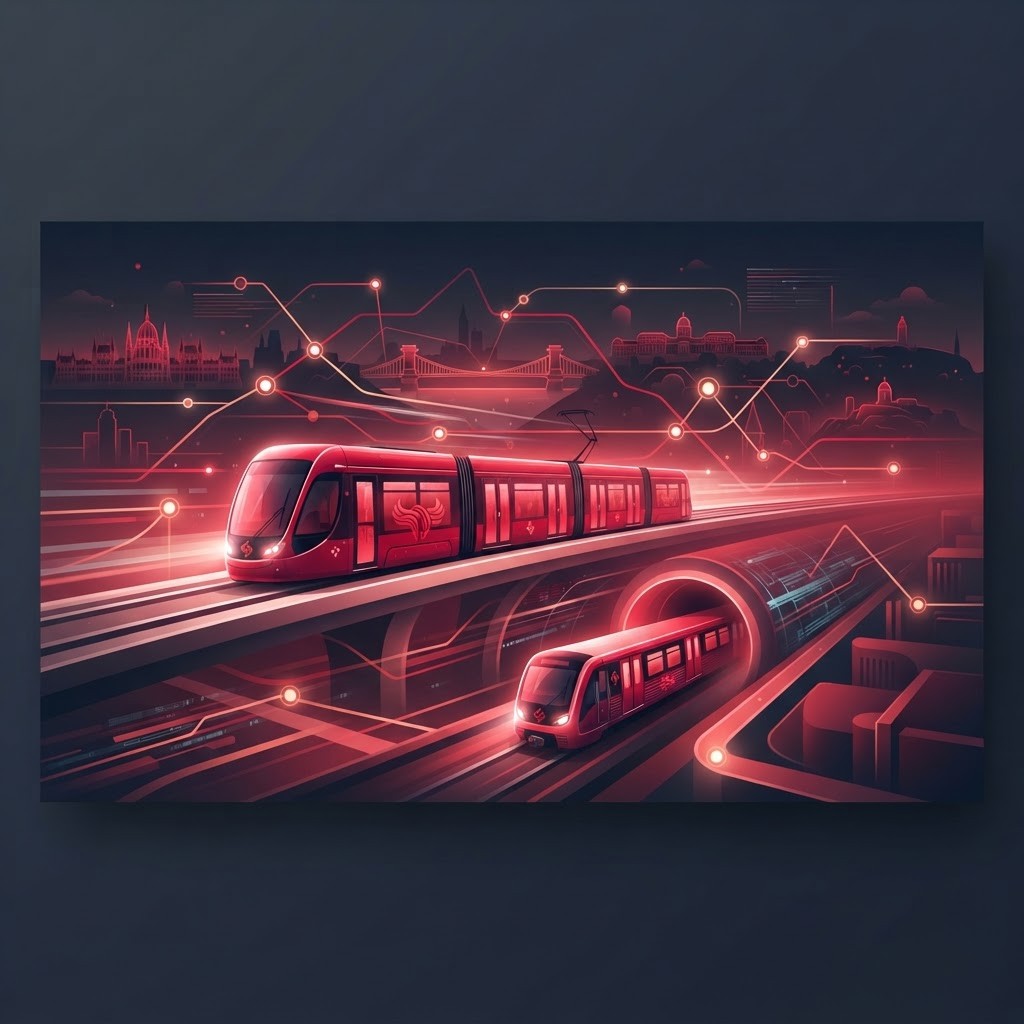
The Lifeline of Hungarian Cities
Public transit is the beating heart of urban life in Hungary, providing affordable, efficient, and sustainable mobility for millions of residents and visitors. Budapest, in particular, boasts one of Europe's most comprehensive transit systems, blending historic tram lines and a heritage metro with modern buses and trolleybuses. Beyond the capital, regional cities operate their own well-developed networks that keep communities connected.
Public transit reduces traffic congestion, lowers emissions, and offers an accessible alternative to car ownership. As cities prioritize sustainability and livability, investment in modern, integrated transit systems continues to grow.
Leading Public Transit Services in Hungary
BKK (Budapesti Közlekedési Központ) oversees Budapest's extensive transit network, coordinating metro lines, trams, buses, trolleybuses, and suburban railways into an integrated system. It is renowned for broad coverage and frequent service across the capital.
BKV (Budapesti Közlekedési Zrt.) operates the vehicles and infrastructure of Budapest's transit, including the iconic Line 1 metro, one of the oldest underground railways in the world, and the city's beloved yellow trams.
DKV (Debrecen) runs the public transport network in Debrecen, Hungary's second-largest city, known for its efficient tram and bus services.
SZKT (Szeged) operates trams and trolleybuses in Szeged, providing clean and reliable electric transit for the southern city.
MVK (Miskolc) and Tüke Busz (Pécs) deliver dependable transit services in their respective regional centers, ensuring residents enjoy convenient urban mobility.
What Makes a Transit System Excellent
The best public transit services combine frequency, reliability, and comprehensive coverage. Passengers value systems that run on time, offer short waiting periods, and connect key destinations seamlessly. Integration across different modes, allowing easy transfers between metro, tram, and bus with a single ticket, greatly enhances convenience.
Accessibility is another hallmark of quality, with low-floor vehicles, elevators at stations, and clear information benefiting all passengers. Cleanliness, safety, and modern amenities such as real-time arrival displays and digital ticketing further define a high-standard transit system.
Innovation and Sustainability Trends
Electrification is a major theme in Hungarian public transit, with cities expanding their fleets of electric buses and trolleybuses to cut emissions and noise. Budapest and regional centers continue to modernize their tram and metro rolling stock, improving comfort and energy efficiency.
Digital innovation is transforming the passenger experience through mobile ticketing apps, contactless payments, and real-time journey planning tools. Integrated mobility platforms are making it easier to combine public transit with bike sharing and other services. These advances support the broader goal of encouraging more people to choose sustainable transport over private cars.
Making the Most of Public Transit
For residents and visitors alike, understanding the local transit network unlocks convenient and affordable travel. In Budapest, a single integrated ticketing system covers the entire network, while travel passes offer excellent value for frequent journeys. Real-time apps help passengers plan routes and minimize waiting times.
Regional cities offer their own efficient systems, making car-free travel practical throughout the country. Choosing public transit not only saves money but also contributes to cleaner air and less congestion, benefiting entire communities.
Conclusion
Public transit is a defining feature of Hungarian urban life, offering efficient, affordable, and increasingly sustainable mobility. The services highlighted here keep the country's cities moving, blending historic charm with modern innovation. As electrification and digital tools continue to advance, Hungary's public transit systems are set to become even greener, smarter, and more convenient for everyone who relies on them.
