
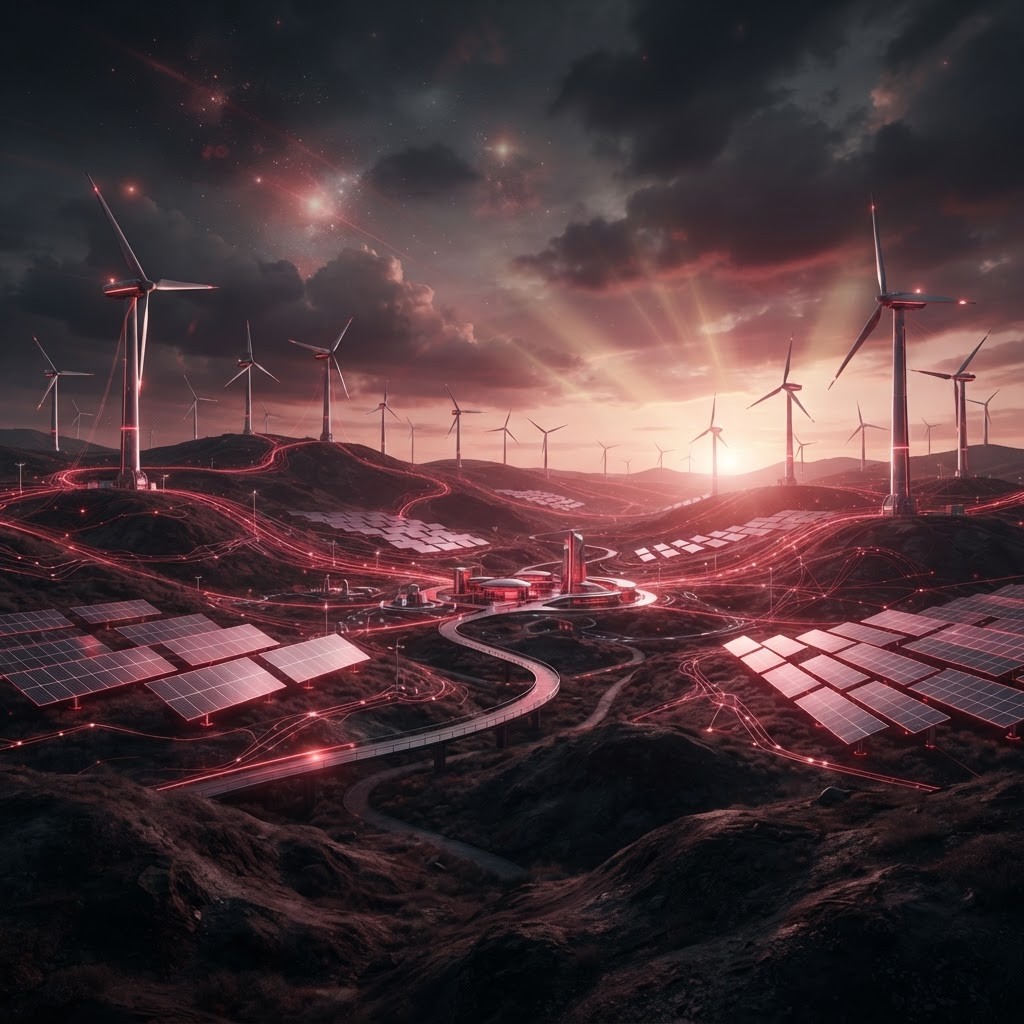
Azerbaijan's Renewable Energy Transformation
Long known as one of the birthplaces of the global oil industry, Azerbaijan is now positioning itself as an emerging hub for renewable energy in the Caspian region. The government has set ambitious targets to increase the share of renewables in installed electricity capacity, aiming for roughly 30 percent by 2030. This shift is supported by abundant natural resources, including strong wind corridors along the Absheron Peninsula, high solar irradiation across central and southern regions, and significant hydropower potential in mountainous areas. As a result, a competitive ecosystem of renewable energy companies has taken shape, blending state institutions with international developers.
What Makes a Leading Renewable Energy Company
The strongest players in Azerbaijan's clean energy market combine technical expertise, financial strength, and the ability to deliver utility-scale projects on time. Investors and industrial clients look for developers with proven grid integration experience, transparent power purchase agreements, and long-term operational reliability. Companies that master these fundamentals are shaping the future of the national energy mix.
The Top Renewable Energy Companies
ACWA Power Azerbaijan has become a cornerstone of the country's green ambitions, developing large wind projects that feed clean electricity into the national grid. Its international track record and access to capital make it a benchmark developer.
Masdar Azerbaijan, the local arm of the renowned Abu Dhabi clean energy company, is delivering major solar and wind capacity. Its integrated approach spans development, construction, and long-term operation.
Azerbaijan Renewable Energy Agency (AREA) plays a facilitating role, coordinating auctions, mapping resource zones, and creating the regulatory framework that attracts private investment.
Azerenerji OJSC, the state power utility, remains central to renewable integration, operating hydropower stations and modernizing transmission infrastructure to accommodate variable generation.
Nobel Energy has expanded from conventional power into cleaner generation, contributing engineering capacity and project management expertise.
Socar Green, a division of the national oil company, reflects the industry's pivot toward decarbonization with investments in solar, wind, and green hydrogen research.
BP Azerbaijan is exploring solar developments to power its own operations, demonstrating how legacy energy firms are embracing the transition.
Fortescue has signed agreements to study green hydrogen and renewable potential, signaling strong international interest.
Mingachevir Hydro Power Plant operators continue to supply a substantial share of clean electricity from the country's largest reservoir system.
Caspian Technology Group supports the sector with engineering, procurement, and construction services tailored to local conditions.
Industry Trends and Benefits
Several trends are accelerating growth. Competitive auctions have driven down the cost of solar and wind, making renewables increasingly attractive without heavy subsidies. Green hydrogen is emerging as a strategic export opportunity, leveraging Azerbaijan's proximity to European markets. Meanwhile, grid modernization and battery storage pilots are addressing intermittency challenges.
For businesses and households, the benefits are tangible: cleaner air, greater energy security, and the prospect of stable long-term prices. For the national economy, renewables diversify export revenue and create skilled jobs in engineering, construction, and maintenance.
Choosing the Right Partner
When selecting a renewable energy partner in Azerbaijan, decision-makers should evaluate a company's project pipeline, financing capacity, technology partnerships, and commitment to local workforce development. The most reputable firms combine global standards with deep regional knowledge, ensuring projects that are both bankable and durable.
Conclusion
Azerbaijan's renewable energy landscape is maturing quickly, blending the resources of a historic energy nation with the ambitions of a modern, sustainable economy. The companies profiled here are laying the foundation for a cleaner, more resilient power system that will serve the country and its trading partners for decades to come.
