
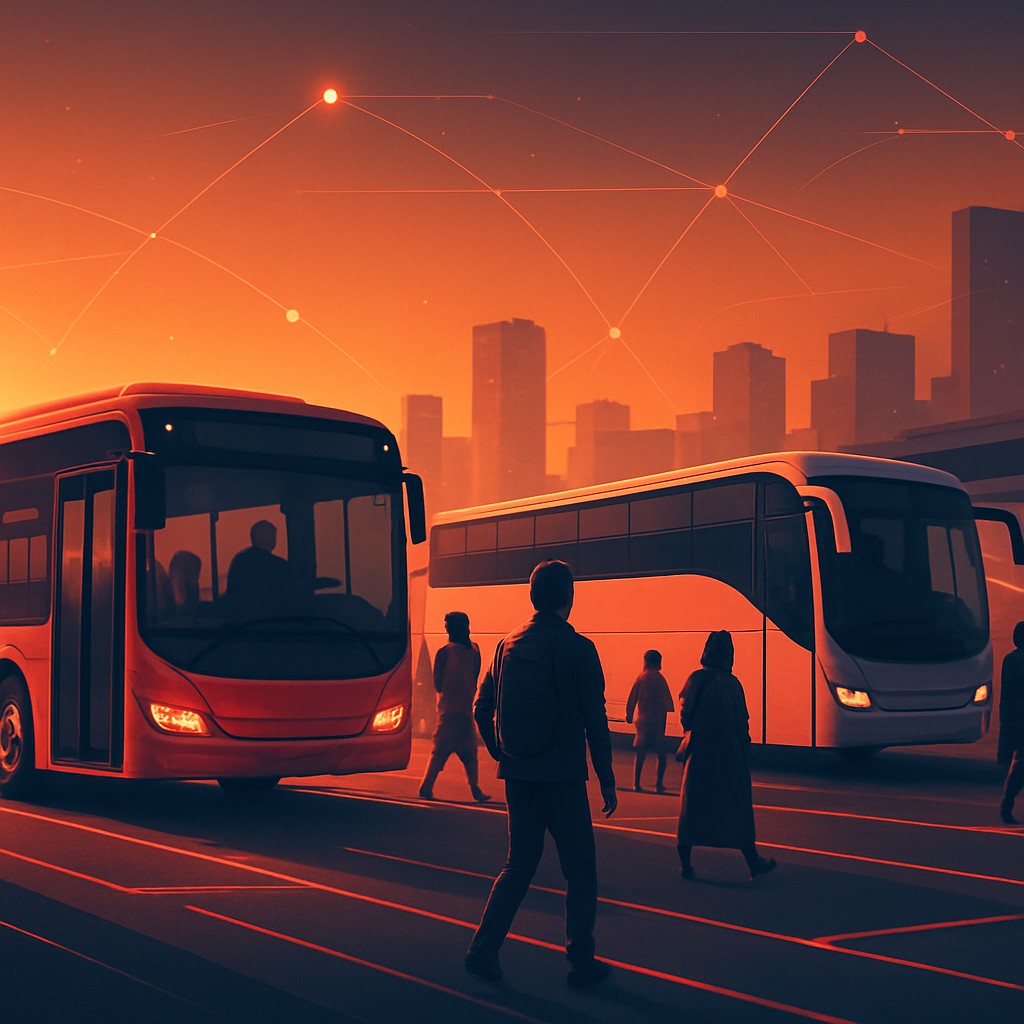
Public Transit as the Engine of Daily Life
Public transit is the backbone of mobility for the majority of Cameroonians. From daily commutes within bustling cities like Douala and Yaoundé to long-distance journeys connecting the coast, the highlands, and the northern regions, transport companies enable economic activity, social connection, and access to services. The sector ranges from large intercity coach operators to urban bus networks, shared taxis, and the ubiquitous motorbike taxis known locally as bendskins.
As cities grow and the economy expands, demand for safe, comfortable, and reliable public transit continues to rise. The best operators distinguish themselves through well-maintained fleets, professional drivers, punctual schedules, and a genuine commitment to passenger safety and comfort.
Qualities of Leading Transit Providers
Several factors set the top transit companies apart. Safety is paramount, encompassing vehicle maintenance, driver training, and adherence to road regulations. Comfort matters greatly on long journeys, with leading coach operators offering air conditioning, spacious seating, and onboard amenities.
Reliability and punctuality build trust, as passengers depend on consistent departure and arrival times. Affordable, transparent fares make services accessible, while online booking and clear terminals improve the customer experience. Strong route networks that connect major cities and reach underserved areas further distinguish the best providers.
Leading Public Transit Companies in Cameroon
Intercity travel in Cameroon is dominated by several respected coach operators. Touristique Express is one of the most recognised names, offering extensive routes between major cities with a reputation for relatively comfortable and organised service. Général Express Voyages and Garanti Express are also well-established intercity operators serving key corridors with regular departures.
Buca Voyages, Amour Mezam, and Vatican Express serve important routes connecting the South West, North West, and other regions, each with loyal customer bases. Finexs Voyages has earned attention for investing in newer, more comfortable coaches and a more premium travel experience on popular routes.
For rail-based transit, Camrail operates the national railway, providing an important alternative for both passengers and freight between Douala, Yaoundé, and the north. Within cities, organised urban bus initiatives and large fleets of shared taxis and motorbike taxis handle the bulk of daily commuting, while emerging app-based ride services are beginning to modernise urban mobility in the largest cities.
Trends Shaping Public Transit
Cameroon's public transit sector is undergoing gradual but meaningful change. Investment in newer, safer, and more comfortable coaches is raising standards on intercity routes, as operators compete to attract passengers who value quality. Digital ticketing and online booking are spreading, reducing queues and improving convenience.
Urban mobility is being transformed by ride-hailing apps and motorbike-taxi platforms that bring greater reliability and transparency to city travel. There is also growing interest in improving road safety through better driver training and vehicle standards. Over the longer term, urban planning initiatives aim to develop more structured mass transit systems to ease congestion in rapidly growing cities.
Choosing the Right Transit Option
For travellers in Cameroon, the best transit choice depends on the journey. For long-distance trips, reputable coach companies offering comfortable, well-maintained vehicles and reliable schedules provide the safest and most pleasant experience. The railway offers a scenic and steady alternative for certain routes. Within cities, app-based services and organised taxis can offer convenience and greater safety than informal options.
Passengers should prioritise operators known for safety and reliability, book in advance during peak travel periods, and confirm departure points and times. The leading public transit companies in Cameroon play an essential role in keeping the nation moving, and their continued investment in quality and safety promises an even better travel experience in the years ahead.
