
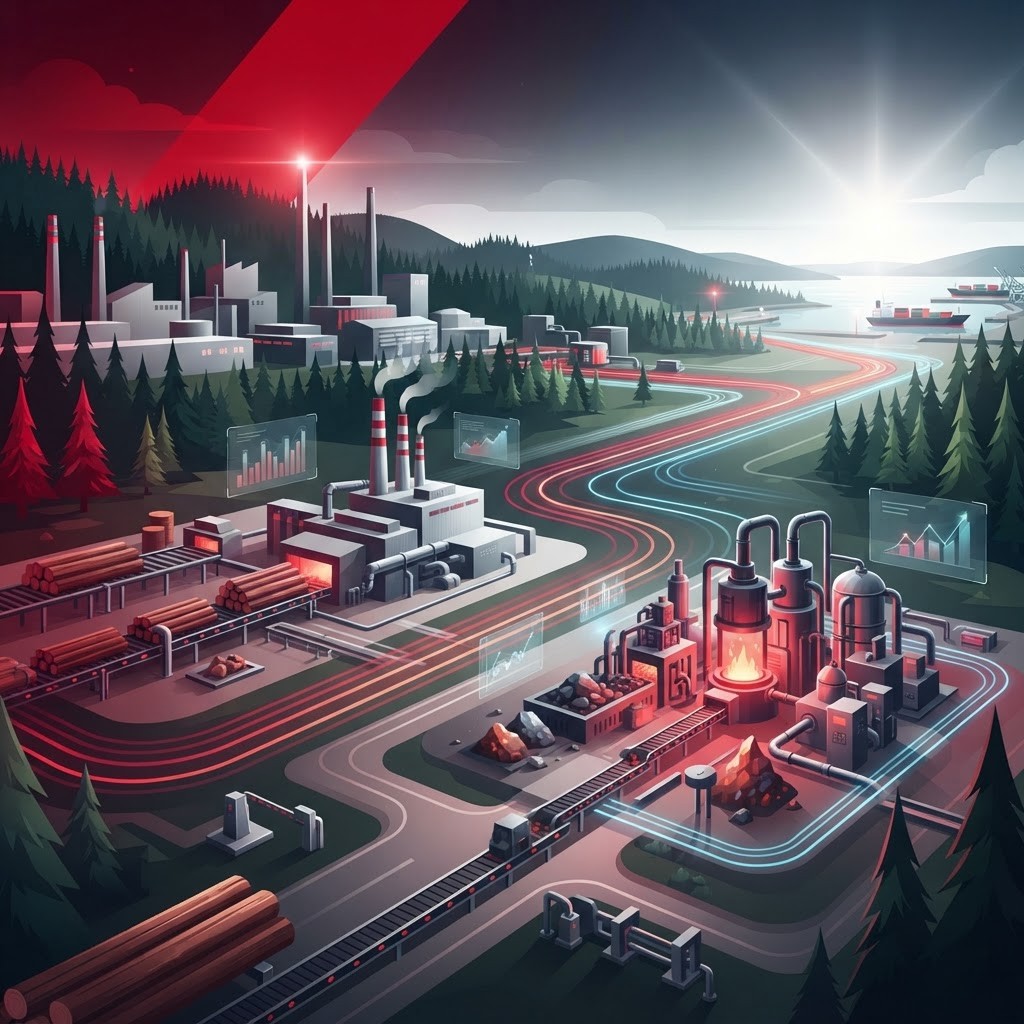
The Backbone of Finnish Industry
Raw materials form the foundation of Finland's export-driven economy. Rich in forests, minerals, and clean water, the country has built a reputation as a dependable source of high-quality resources for manufacturers across Europe and beyond. Raw material suppliers in Finland occupy a strategic position, connecting the nation's natural abundance with the industries that transform it into finished goods.
From pulp and timber to refined metals and specialty chemicals, Finnish suppliers are known for combining resource quality with responsible extraction and processing. This balance between productivity and sustainability has become a defining characteristic of the sector, aligning with the country's ambitious environmental goals.
Key Categories of Raw Materials
Finland's raw material landscape is diverse. Forestry remains a cornerstone, supplying wood, pulp, and biomass that feed the paper, packaging, and construction industries. The mining sector provides essential metals and minerals, including nickel, zinc, cobalt, and chromium, which are increasingly important for the global energy transition and battery production.
Beyond these, chemical and industrial suppliers deliver the compounds and additives that support manufacturing across sectors. Clean water and renewable energy resources further enhance Finland's appeal as a base for resource-intensive production, offering manufacturers both quality inputs and lower carbon footprints.
Ten Leading Raw Material Suppliers
Stora Enso is a global leader in renewable materials derived from wood, supplying pulp, packaging materials, and biomaterials with a strong sustainability focus.
UPM provides a broad portfolio of forest-based raw materials, including pulp, timber, and biochemicals, positioning itself at the forefront of the bioeconomy.
Metsä Group specialises in wood supply, pulp, and paperboard, drawing on Finland's extensive forests to serve international manufacturers.
Outokumpu is renowned for stainless steel and related metal materials, supplying industries that demand durability and corrosion resistance.
Boliden Kevitsa contributes significant volumes of base metals and minerals through its Finnish mining operations, supporting global supply chains.
Terrafame is a key supplier of nickel and cobalt products, materials increasingly vital to the electric vehicle and battery sectors.
Kemira delivers specialty chemicals used in water treatment, pulp processing, and industrial applications, enhancing efficiency for manufacturers.
Nordkalk supplies limestone and mineral products essential to construction, agriculture, and environmental applications.
Sibelco Nordic provides industrial minerals such as quartz and feldspar, serving glass, ceramics, and construction industries.
Yara Suomi supplies mineral-based inputs and industrial chemicals that support both agriculture and manufacturing.
Sustainability and Responsible Sourcing
Sustainability is not a marketing afterthought in Finland; it is central to how raw material suppliers operate. Forestry companies adhere to strict replanting and certification standards, ensuring that harvested forests regenerate. Mining operations increasingly emphasise responsible extraction, waste reduction, and water stewardship.
The transition toward a circular economy is also reshaping the sector. Suppliers are investing in recycling, byproduct utilisation, and biomaterials that can replace fossil-based inputs. This forward-looking approach helps Finnish suppliers meet the expectations of environmentally conscious international buyers while supporting national climate targets.
Industry Trends and Global Demand
Global demand for critical minerals is rising sharply, driven by electrification, renewable energy, and battery technology. Finland's deposits of nickel, cobalt, and other strategic metals position the country as an important player in these supply chains. Meanwhile, the bioeconomy is expanding rapidly, with wood-based innovations replacing plastics and other carbon-intensive materials.
Digitalisation and automation are improving efficiency and transparency across the sector. From automated mining equipment to advanced supply chain tracking, technology is helping suppliers deliver consistent quality while minimising environmental impact.
Choosing a Reliable Supplier
Manufacturers seeking raw material partners in Finland should evaluate consistency of supply, quality certifications, sustainability credentials, and logistical capabilities. Long-term partnerships often hinge on a supplier's ability to guarantee steady volumes and transparent sourcing practices, particularly for materials tied to strict regulatory or environmental standards.
Finland's Strategic Position in Europe
Finland's geographic location and political stability make it an attractive and secure source of raw materials for European industry. As global supply chains face increasing uncertainty, buyers value the predictability and reliability that Finnish suppliers offer. The country's membership in the European Union, its well-developed infrastructure, and its transparent regulatory environment further enhance its appeal as a dependable trading partner. For industries seeking to reduce dependence on distant or volatile regions, Finland represents a stable alternative close to major markets.
The nation's commitment to responsible resource management also aligns with tightening European regulations on sustainability and supply chain transparency. Suppliers that already meet high environmental and ethical standards are well positioned to serve buyers who must comply with these requirements. This regulatory alignment gives Finnish raw material suppliers a competitive advantage as demand for responsibly sourced inputs continues to grow across the continent.
Research, Technology, and the Future
Finnish suppliers invest heavily in research and technology to improve efficiency and reduce environmental impact. Collaboration with universities and research centres drives innovation in areas such as biomaterials, mineral processing, and clean energy integration. These efforts not only enhance competitiveness but also position Finland at the forefront of emerging industries tied to the energy transition and circular economy. As the world shifts toward greener production, Finnish raw material expertise is likely to become even more valuable.
Conclusion
Finland's raw material suppliers are indispensable to both the national economy and global manufacturing. By pairing abundant natural resources with responsible practices and technological innovation, these companies deliver the inputs that power industries worldwide. As demand for sustainable and strategic materials grows, Finland's suppliers are well positioned to remain trusted partners for the future.
