
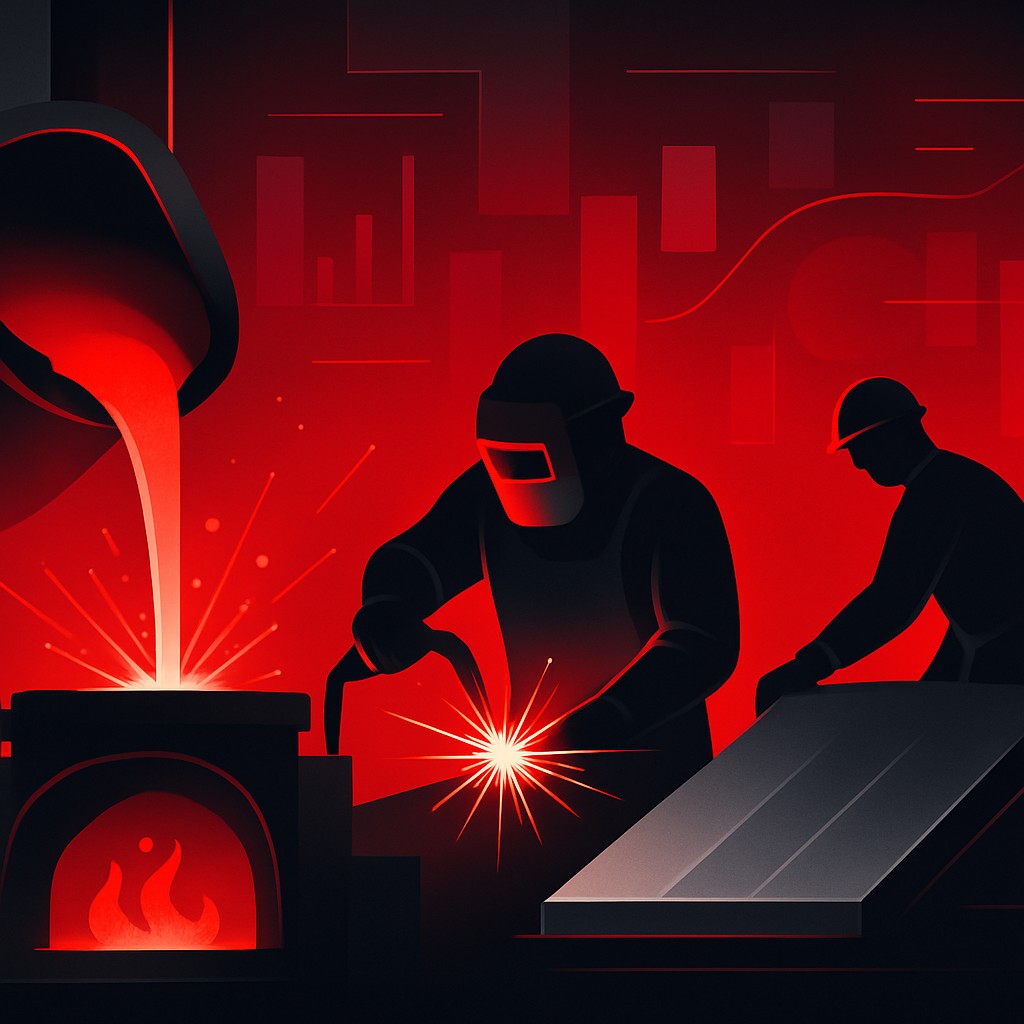
The Strength Behind Industry
Metalworks form the structural and mechanical backbone of nearly every industrial activity in Zimbabwe. From the steel beams that frame buildings to the fabricated components that keep mines and factories running, metalworks companies provide the materials and engineering that make heavy industry possible. The sector encompasses steel production, structural fabrication, sheet metal work, casting, machining, and specialised engineering, making it one of the most versatile and essential parts of the economy.
Zimbabwe has a rich metalworking heritage, particularly centred in Bulawayo and other industrial hubs. The country's mineral wealth, including iron ore, chrome, and other metals, provides a natural foundation for the sector. The best metalworks companies pair this resource base with engineering expertise to deliver products ranging from raw steel to highly precise fabricated assemblies.
The Companies Forging Ahead
Steelmakers Zimbabwe is among the most significant players, integrating steel production with downstream fabrication to supply structural and mechanical products across multiple industries. Its scale and capability make it a cornerstone of the sector. Monarch Steel complements this with versatile fabrication and steel processing services widely used in construction and manufacturing.
Sheffield Steel Products is renowned for precision fabrication and engineering, serving clients who require accurate, high-quality metal components. Tube and Pipe Industries specialises in steel tubing, sections, and roofing materials that are indispensable to construction and infrastructure projects.
Haggie Reid and wire-rope manufacturers supply the cables and ropes critical to mining and lifting operations, a niche but vital segment. Zimbabwe Alloys and ferrochrome producers contribute to the upstream metal supply, processing the country's mineral resources into valuable industrial inputs.
In fabrication and engineering, Bain Industries delivers heavy custom fabrication for mining and processing applications, while Tanroy Engineering manufactures crushing and screening equipment that combines metalwork with mechanical engineering. Powerspeed Engineering provides a range of engineered metal products and tooling, and Saffron Engineering specialises in custom mechanical and metal solutions for industrial clients. Together these ten companies showcase the depth and diversity of Zimbabwe's metalworks industry.
Trends in the Metalworks Sector
The metalworks industry in Zimbabwe is influenced by several important trends. Demand from mining and construction remains a primary driver, as these sectors require constant supplies of structural steel, fabricated components, and engineering services. Companies closely linked to these industries enjoy steady, if cyclical, demand.
Import substitution is a powerful force in metalworks. Imported steel and fabricated products are costly and subject to logistics challenges, so local producers who can deliver comparable quality gain a strong competitive edge. This has encouraged investment in production capacity and modern fabrication equipment.
Value addition is another key trend. Rather than exporting raw minerals, there is growing emphasis on processing metals domestically and producing finished or semi-finished goods. This adds value, creates jobs, and strengthens the industrial base. Metalworks companies that move up the value chain are particularly well positioned for the future.
What Sets the Best Metalworks Companies Apart
Leading metalworks companies in Zimbabwe distinguish themselves through engineering capability, quality, and reliability. Fabrication and machining demand precision, and the best firms invest in skilled welders, machinists, and engineers who can meet exacting specifications. The ability to solve complex engineering challenges sets top firms apart from basic fabricators.
Quality assurance is critical, especially for components used in mining and structural applications where failure carries serious consequences. Reputable companies adhere to recognised standards and provide certification, giving customers confidence in the integrity of their products. Reliable delivery and strong after-sales support further reinforce their reputations.
Serving Critical Industries
Metalworks companies serve some of Zimbabwe's most important industries. Mining relies on them for equipment, structural steel, wire ropes, and replacement components. Construction depends on structural steel, roofing, and reinforcement. Manufacturing needs fabricated machinery and parts. Agriculture uses metal implements and structures. This broad customer base provides resilience and underscores the sector's strategic importance.
Choosing a Metalworks Partner
When selecting a metalworks company, buyers should evaluate engineering capability, quality standards, capacity, and delivery reliability. For complex or custom work, a firm's track record and technical expertise are paramount. For standard products such as steel sections or roofing, consistent quality and competitive pricing matter most.
The ability to provide end-to-end solutions, from design through fabrication and installation, is increasingly valued. Companies that can manage entire projects offer convenience and accountability that piecemeal suppliers cannot match.
Conclusion
Zimbabwe's metalworks companies provide the strength and precision that underpin mining, construction, and manufacturing. The firms profiled here combine engineering expertise, quality production, and reliable service to meet the demands of heavy industry. As import substitution and value addition gain momentum, these companies are poised to play an even greater role in the nation's industrial development. For any business that depends on steel and fabrication, partnering with a reputable local metalworks firm is a sound and strategic choice.
The Future of Metalworks
The prospects for Zimbabwe's metalworks sector are closely tied to the nation's industrial ambitions. As mining expands and beneficiation policies encourage processing minerals at home, demand for fabrication, casting, and engineering services is expected to rise. Companies that invest in modern machinery, skills development, and value-added production will lead this evolution. By moving steadily up the value chain and reducing reliance on imported steel, the sector can become a powerful driver of jobs, exports, and broader industrial self-reliance across the country.
