
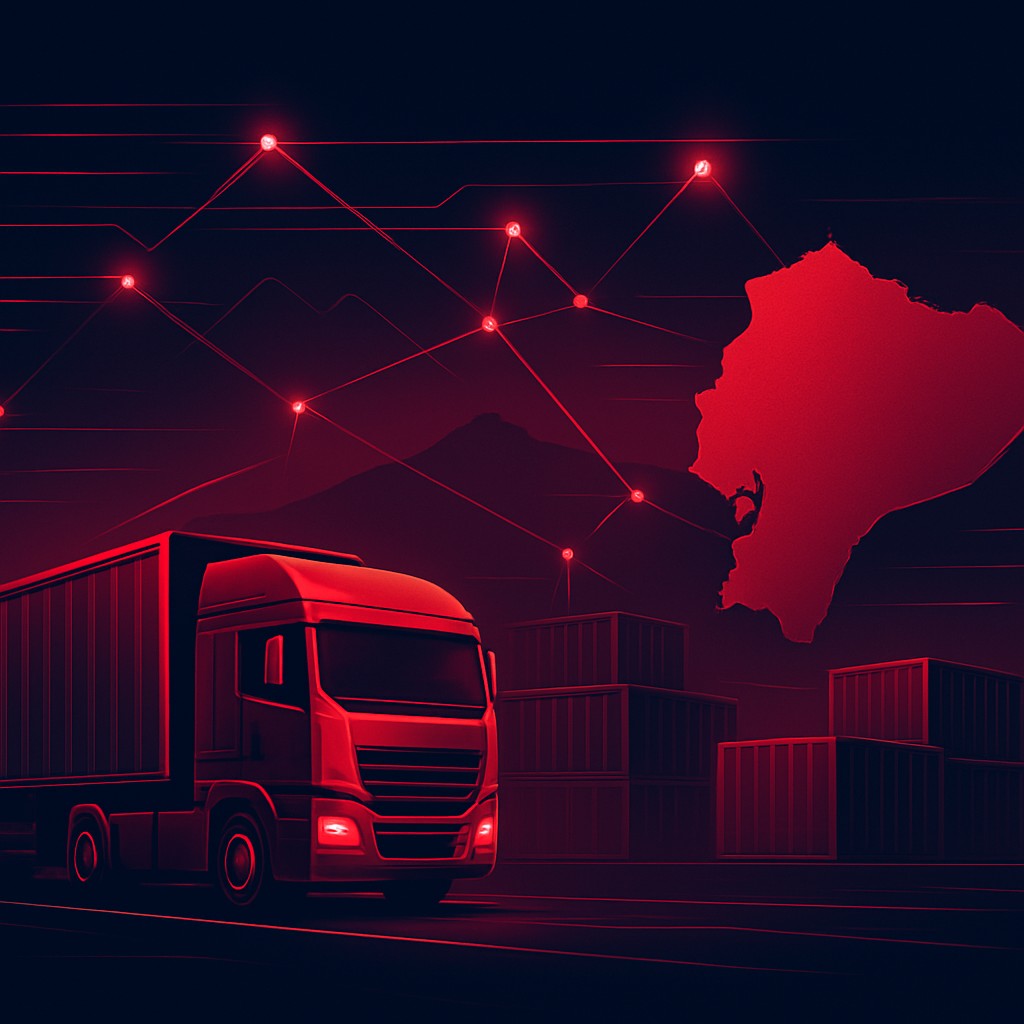
The Backbone of Ecuador's Economy
Logistics is the quiet engine behind Ecuador's trade-driven economy. From banana and shrimp exports leaving the port of Guayaquil to flowers flown out of Quito and consumer goods distributed across the Sierra and Costa regions, dependable logistics providers keep commerce moving. The country's unique geography, with the Andes splitting the coast from the Amazon, places extraordinary demands on carriers, warehouse operators, and freight forwarders who must coordinate road, sea, and air transport with precision.
Over the past decade, the sector has matured rapidly. Investment in dollarized infrastructure, digital tracking systems, and customs modernization has helped Ecuadorian logistics firms compete regionally. Today the best companies blend local knowledge of mountain routes and port procedures with international standards for safety, traceability, and on-time delivery.
What Sets the Leading Providers Apart
The top logistics companies in Ecuador distinguish themselves through integrated service portfolios. Rather than offering only trucking or only customs brokerage, they combine freight forwarding, warehousing, distribution, and last-mile delivery under one roof. This end-to-end approach reduces handoffs, lowers the risk of delays, and gives clients a single point of accountability.
Technology is another major differentiator. Real-time GPS tracking, electronic proof of delivery, and inventory dashboards have become baseline expectations for serious shippers. Firms that invest in transportation management systems can optimize routes through challenging terrain, cut fuel costs, and provide customers with the visibility they need to plan production and sales.
Specialized Capabilities for Diverse Cargo
Ecuador exports a remarkable variety of goods, each with its own handling requirements. Perishable products such as flowers, seafood, and fresh produce demand unbroken cold chains and rapid transit times. The strongest logistics operators maintain refrigerated fleets, temperature-controlled storage, and expedited customs clearance to protect product quality from origin to destination.
Industrial and project cargo presents different challenges. Oversized equipment for the oil, mining, and construction sectors requires specialized trailers, route surveys, and permits. Leading companies employ engineering teams that plan heavy-haul movements down to the centimeter, ensuring safe passage along narrow Andean roads and through congested urban corridors.
The Role of Customs and Compliance
Smooth international trade hinges on customs expertise. The most respected logistics firms in Ecuador employ licensed customs agents who understand tariff classifications, sanitary certificates, and the documentation needed for both export and import flows. Their familiarity with the national customs authority's electronic systems helps clients avoid costly inspections, demurrage charges, and shipment holds.
Compliance now extends beyond paperwork. Security certifications, anti-contraband protocols, and traceability programs reassure international buyers that Ecuadorian goods move through trustworthy hands. Companies that hold recognized authorized economic operator status enjoy faster clearance and stronger reputations among global partners.
Sustainability and the Future of Freight
Environmental responsibility is reshaping logistics across Ecuador. Forward-looking providers are renewing fleets with cleaner engines, consolidating shipments to reduce empty miles, and exploring electric vehicles for urban delivery. Warehouse operators are adopting solar power and energy-efficient cold storage to lower their carbon footprint while controlling operating costs.
Digital transformation will continue to define the industry's trajectory. Predictive analytics, automated warehousing, and tighter integration with e-commerce platforms are helping firms respond to the surge in online retail. The companies that combine these innovations with deep regional experience are best positioned to lead the market in the years ahead.
Choosing the Right Logistics Partner
Selecting a logistics company in Ecuador should begin with a clear assessment of your supply chain needs. Exporters of perishable goods will prioritize cold-chain reliability and port proximity, while domestic distributors may value nationwide coverage and flexible warehousing. Evaluating a provider's track record, technology platform, and customer service responsiveness is essential.
Ultimately, the best partner is one that treats your cargo as an extension of your own business. The leading logistics companies in Ecuador have earned their reputations by delivering consistency, transparency, and problem-solving expertise across some of the most demanding routes in South America. For businesses aiming to grow domestically or reach global markets, a strong logistics ally is one of the most valuable investments they can make.
