
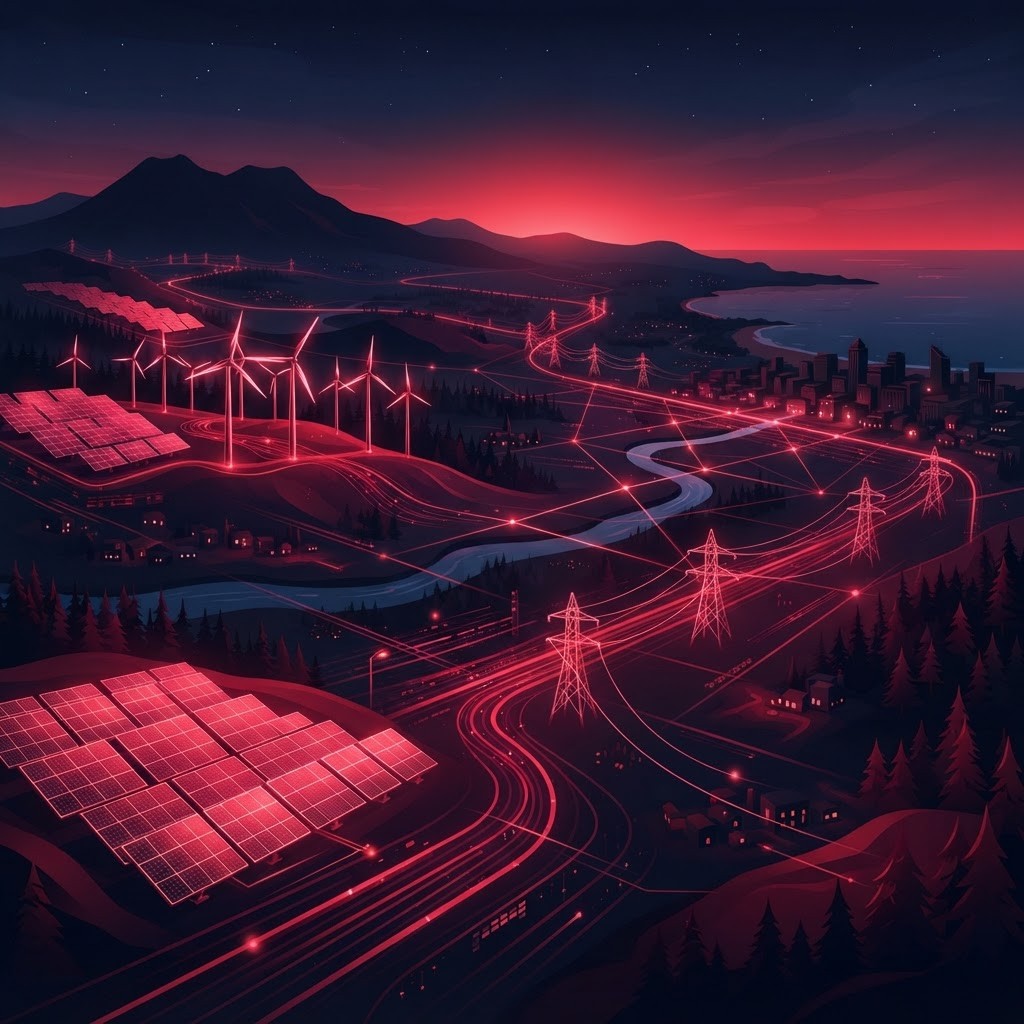
An Energy Sector on the Rise
Sierra Leone is undergoing a remarkable transformation in its energy landscape. Once heavily dependent on limited and unreliable power, the country is now witnessing a surge of investment in generation, transmission, and distribution. Access to electricity is widely recognised as a cornerstone of economic development, and energy suppliers across the nation are working to close the gap between demand and supply. From the capital Freetown to rural districts, a mix of public utilities and private operators is reshaping how citizens and businesses access power.
The energy mix in Sierra Leone is diverse, combining hydropower from major dams, thermal generation, and a growing wave of solar installations. This blend reflects both the country's rich natural resources and a deliberate strategy to build resilience against seasonal fluctuations. Understanding the leading suppliers helps consumers, investors, and industry stakeholders appreciate the direction in which the sector is heading.
The Leading Energy Suppliers
The Electricity Distribution and Supply Authority (EDSA) stands as the central pillar of Sierra Leone's power delivery. Responsible for distributing electricity to homes and businesses nationwide, EDSA has invested in metering, network upgrades, and customer service improvements to enhance reliability. Its role in managing the national grid makes it indispensable to the country's daily functioning.
Complementing EDSA is the Electricity Generation and Transmission Company (EGTC), which oversees the generation and high-voltage transmission of power. EGTC manages key assets including the Bumbuna Hydroelectric Plant, a flagship facility that provides a significant share of clean, renewable electricity to the grid, particularly during the rainy season.
Karpowership has played a pivotal role through its powership vessels moored off the coast of Freetown. These floating power plants deliver substantial capacity to the grid, offering a flexible solution that has helped stabilise supply during periods of high demand and low hydropower output.
CEC Africa Sierra Leone contributes thermal generation capacity and brings regional expertise in power project development. Its involvement highlights the growing interest of pan-African energy firms in the Sierra Leonean market.
In the renewable space, Winch Energy has established solar mini-grids that bring electricity to off-grid communities. By deploying modular solar solutions, Winch Energy addresses the needs of rural areas that lie beyond the reach of the central grid, improving quality of life and enabling small enterprises.
Energicity and its local operations similarly focus on solar mini-grids, delivering clean and affordable power to towns and villages. Their pay-as-you-go models make electricity accessible to households that previously relied on kerosene and diesel.
PowerGen Renewable Energy is another notable player advancing distributed solar solutions, while Azimuth Solar supports commercial and residential clients seeking to reduce dependence on grid power through rooftop installations and battery storage.
The Barefoot Women Solar Engineers of Sierra Leone represent an inspiring community-driven initiative, training local women to install and maintain solar systems in remote villages. This grassroots approach combines energy access with social empowerment. Finally, Easy Solar has become one of the most recognised names in off-grid energy, providing solar home systems, appliances, and financing options that have reached hundreds of thousands of customers across the country.
Trends Shaping the Industry
Several trends are defining the future of energy supply in Sierra Leone. The most prominent is the accelerating shift toward renewable energy, particularly solar. Abundant sunshine makes solar an ideal resource, and falling technology costs have made installations increasingly affordable. Mini-grids and standalone solar systems are proving especially effective in extending electricity to rural populations.
Another key trend is the rise of innovative financing. Pay-as-you-go and mobile-money-enabled payment systems have removed a major barrier to adoption, allowing lower-income households to spread the cost of energy access over time. This model has been transformative in bringing power to underserved communities.
Grid modernisation is also underway, with investments in smart metering, improved transmission infrastructure, and reduced technical losses. These upgrades enhance reliability and reduce the frequency of outages that have historically challenged consumers.
Benefits for Consumers and Businesses
Reliable energy supply delivers wide-ranging benefits. For households, it means better lighting, refrigeration, and connectivity, all of which improve daily life and educational outcomes. For businesses, dependable power reduces reliance on costly diesel generators, lowers operating expenses, and supports growth. Industries such as manufacturing, healthcare, and agriculture all depend on stable electricity to function efficiently.
The competition and collaboration among suppliers also foster better service quality and greater innovation. As more players enter the market, consumers gain access to a wider range of options tailored to their needs, from grid connections to standalone solar kits.
Choosing the Right Energy Partner
When selecting an energy supplier, consumers and businesses should consider reliability, coverage, pricing, and after-sales support. Those in urban centres may rely primarily on EDSA and grid-connected generation, while rural customers may find greater value in solar mini-grids and home systems offered by companies like Easy Solar and Energicity. Evaluating the reputation, track record, and service network of each provider ensures a sound long-term decision.
Conclusion
Sierra Leone's energy sector is on a promising trajectory, driven by a combination of established utilities and dynamic private innovators. The suppliers highlighted here are collectively expanding access, improving reliability, and embracing clean energy solutions. As investment continues and renewable technologies mature, the country is well positioned to achieve broader electrification and unlock the economic potential that reliable power makes possible.
