
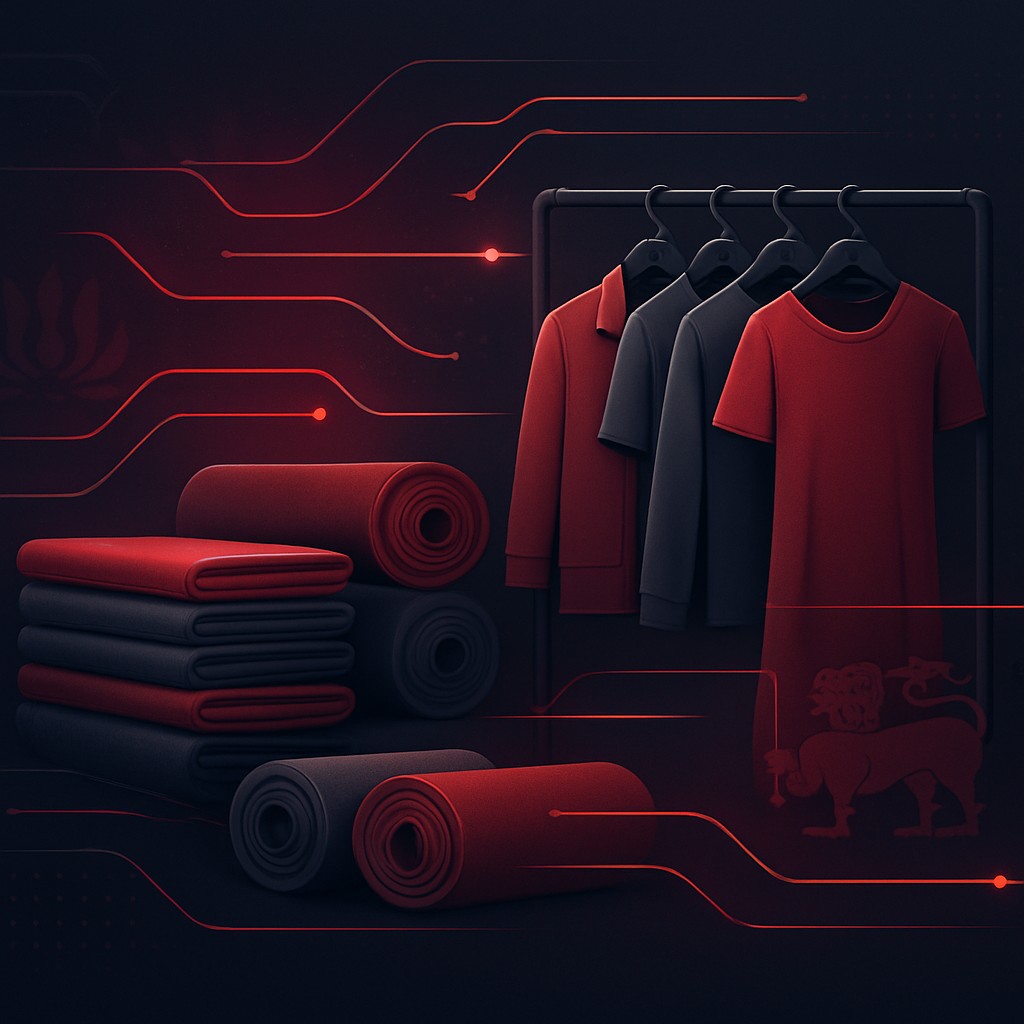
The Strength of Sri Lanka's Clothing Wholesale Industry
Sri Lanka has long been recognised as one of Asia's most respected apparel manufacturing hubs, and this reputation extends naturally into its clothing wholesale sector. The country's garment heritage, built on ethical production standards and skilled craftsmanship, gives local wholesalers a distinct advantage in quality and reliability. From bustling trade centres in Colombo to regional distribution networks in Gampaha and Kandy, clothing wholesalers form the backbone that supplies boutiques, retail chains, and online sellers across the island.
The wholesale clothing trade in Sri Lanka covers a broad spectrum, including everyday casual wear, formal attire, children's clothing, sportswear, and traditional garments such as sarees and sarongs. Many wholesalers source surplus stock and export-quality overruns from the country's renowned manufacturing facilities, allowing retailers to access premium products at competitive prices.
What Sets Leading Clothing Wholesalers Apart
The most successful clothing wholesalers in Sri Lanka distinguish themselves through consistency, fabric quality, and dependable supply. Retailers increasingly value partners who can guarantee stock availability, offer flexible minimum order quantities, and maintain transparent pricing. The ability to keep pace with seasonal fashion trends while balancing affordability is a defining trait of the country's strongest distributors.
Leading Clothing Wholesalers to Know
Brandix Essentials connects to one of Sri Lanka's largest apparel groups, offering retailers access to export-grade knitwear and intimate wear known for international quality standards.
MAS Holdings Trade Division represents the wholesale and surplus arm associated with one of the region's most influential apparel manufacturers, prized for technical fabrics and dependable volume supply.
Hameedia Wholesale is a trusted name in formal and menswear, supplying tailored shirts, suits, and office wear to retailers seeking established brand credibility.
Nolimit Distribution serves fashion retailers with trend-driven collections spanning casual, party, and family clothing at accessible price points.
ODEL Trade Supply brings a lifestyle-focused range of fashion-forward apparel, popular among boutique owners targeting urban shoppers.
Carnage Clothing has built a following for streetwear and youth-oriented fashion, supplying smaller retailers and independent sellers.
Pelawatte Textiles focuses on fabric and bulk textile supply, serving tailors, garment producers, and clothing resellers across the country.
Cotton Collection Wholesale is recognised for comfortable, locally relevant casual wear suited to Sri Lanka's tropical climate.
Glitz Apparel Traders specialises in women's fashion and occasion wear, offering retailers a rotating catalogue of seasonal designs.
Pettah Textile Market Suppliers represents the collective strength of Colombo's historic Pettah district, a long-standing destination for budget-friendly bulk clothing.
Industry Trends Shaping the Sector
The Sri Lankan clothing wholesale market is evolving rapidly. Sustainability has become a major theme, with more wholesalers prioritising responsibly sourced fabrics and ethical production practices that align with global buyer expectations. Digital ordering systems and social commerce are also transforming how retailers connect with wholesalers, reducing reliance on physical trade visits.
Another notable trend is the rise of small online resellers who depend on wholesalers for low minimum orders and fast restocking. This shift has encouraged distributors to offer more flexible terms and curated, ready-to-sell collections. Meanwhile, demand for locally designed apparel that reflects Sri Lankan identity continues to grow alongside imported fast fashion.
Benefits of Partnering With Established Wholesalers
Working with reputable clothing wholesalers offers retailers significant advantages. Bulk pricing improves profit margins, while consistent quality protects brand reputation. Established wholesalers also provide valuable market insight, helping retailers anticipate demand and avoid overstocking. Their logistics networks ensure timely delivery, which is critical for keeping shelves stocked during peak shopping seasons such as the Sinhala and Tamil New Year and the December festive period.
How to Choose the Right Clothing Wholesaler
Selecting the right wholesale partner requires careful evaluation. Retailers should assess product quality, pricing transparency, delivery reliability, and the wholesaler's reputation within the trade community. Requesting samples, reviewing return policies, and understanding minimum order requirements are practical steps that prevent costly mistakes. Long-term relationships with dependable wholesalers often lead to better pricing, priority access to new stock, and collaborative growth.
Challenges Facing the Clothing Wholesale Sector
Despite its strengths, the clothing wholesale sector in Sri Lanka faces several challenges that retailers and wholesalers must navigate together. Currency fluctuations and import duties can affect the cost of fabrics and accessories, influencing final pricing. Seasonal demand swings, particularly around festive periods, require careful inventory planning to avoid both shortages and overstocking. Competition from imported fast fashion also pressures margins, pushing wholesalers to differentiate through quality, local relevance, and faster restocking cycles.
Counterfeit branding and inconsistent sizing standards are additional concerns that can erode consumer trust. The most resilient wholesalers address these issues by maintaining transparent sourcing, standardising quality controls, and building strong communication channels with their retail partners. By tackling these challenges proactively, wholesalers strengthen the entire apparel value chain.
The Future of Clothing Wholesale in Sri Lanka
Looking ahead, the future of clothing wholesale in Sri Lanka appears promising. The country's manufacturing reputation, combined with a growing fashion-conscious population, creates fertile ground for continued growth. Digital transformation, sustainable sourcing, and the rise of homegrown fashion brands are expected to define the next decade. Wholesalers who embrace technology, ethical practices, and customer-centric service will be best positioned to lead the market.
Conclusion
Sri Lanka's clothing wholesale sector is a dynamic and competitive landscape powered by the country's globally respected garment industry. The wholesalers highlighted here represent a blend of manufacturing strength, fashion expertise, and reliable distribution. For retailers and resellers seeking quality apparel at competitive prices, building strong partnerships with established wholesalers is the foundation of sustainable success in the Sri Lankan fashion market.
