
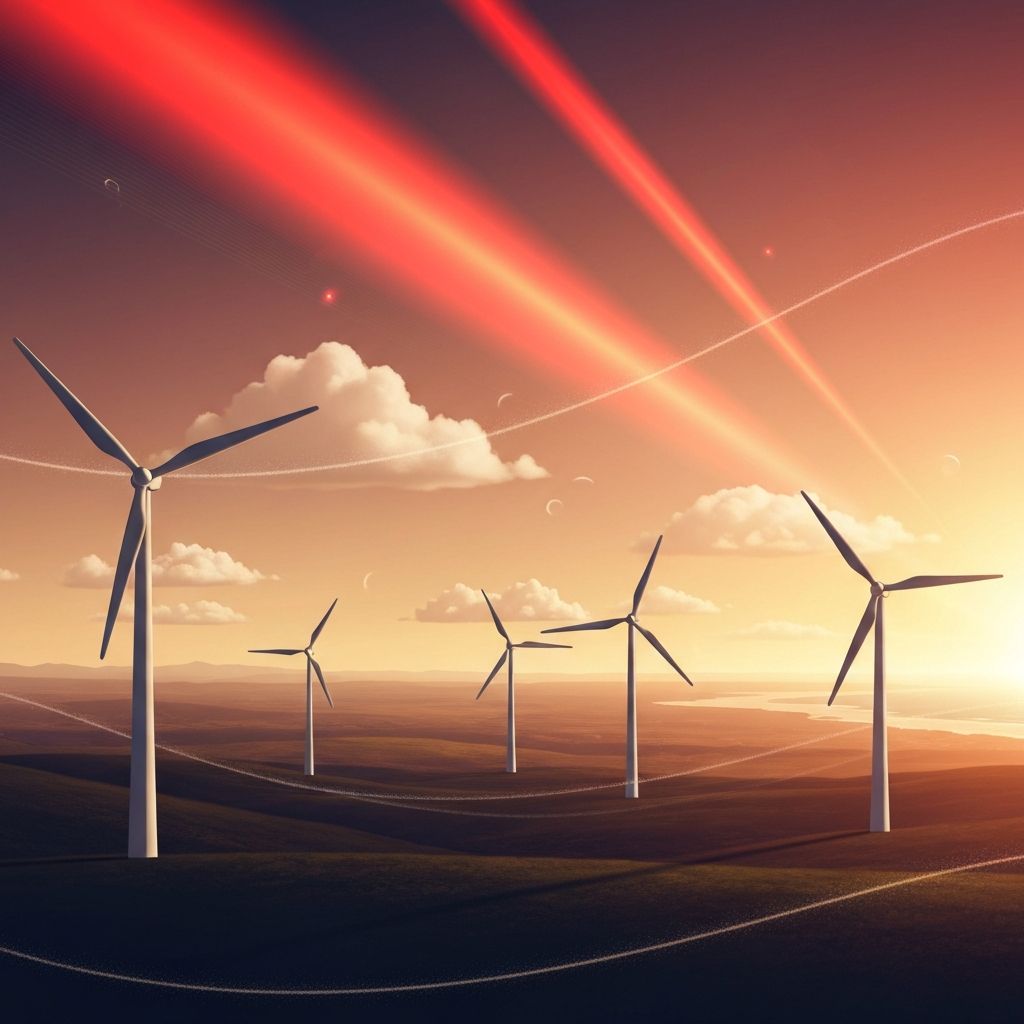
Wind Power: A Cornerstone of America's Clean Energy Future
Wind energy has become one of the most important pillars of the United States' renewable energy strategy. With vast wind resources stretching from the Great Plains to the East and West coasts, the country has developed one of the largest wind energy industries in the world. Today, wind power supplies a significant portion of electricity in many states and supports tens of thousands of jobs in manufacturing, construction, and operations.
From massive onshore wind farms in Texas, Iowa, and Oklahoma to emerging offshore wind projects along the Atlantic coast, U.S. wind energy companies are at the forefront of decarbonizing the country's power grid. Their work combines advanced engineering, sophisticated logistics, and long-term partnerships with utilities, corporations, and communities.
1. NextEra Energy Resources
NextEra Energy Resources is the largest wind energy producer in the United States. Its extensive portfolio of onshore wind farms spans multiple states, and the company continues to invest heavily in new projects, repowering existing assets, and integrating wind with battery storage.
2. GE Vernova
GE Vernova, the energy business spun off from General Electric, is a leading manufacturer of onshore and offshore wind turbines. With a strong American manufacturing base, the company supplies advanced turbines to wind farms across the country and is investing in next-generation offshore technology.
3. Avangrid
Avangrid, part of the Iberdrola Group, is a major developer and operator of wind energy in the United States. The company has built a strong onshore wind portfolio and is also one of the leading developers of offshore wind projects on the East Coast.
4. Invenergy
Invenergy is one of the largest privately held wind energy developers in North America. The company has built and operates a wide range of wind farms across the United States, leveraging its expertise in project development, financing, and operations.
5. Pattern Energy
Pattern Energy is a major developer and operator of wind power projects in the United States and Canada. The company is known for executing large, complex projects, including long-distance transmission infrastructure that connects remote wind resources to population centers.
6. Clearway Energy
Clearway Energy operates a large portfolio of wind, solar, and storage assets across the country. Its wind farms supply renewable power to utilities and corporate buyers, supporting the clean energy commitments of major American companies.
7. EDF Renewables North America
EDF Renewables North America has been active in U.S. wind development for decades. The company has built numerous onshore wind farms and is expanding into offshore wind, repowering, and hybrid wind-plus-storage projects.
8. Ørsted U.S.
Ørsted is one of the world's leading offshore wind developers and is playing a central role in the U.S. offshore wind market. The company is involved in several major projects along the Atlantic coast that will deliver gigawatts of new clean energy capacity.
9. Vestas American Wind Technology
Vestas is one of the world's largest wind turbine manufacturers and has a significant presence in the United States. With manufacturing facilities in Colorado and a national service network, Vestas supports both new wind projects and the long-term operation of existing fleets.
10. Berkshire Hathaway Energy
Berkshire Hathaway Energy, through subsidiaries such as MidAmerican Energy and PacifiCorp, is one of the largest owners of wind generation in the country. The company has invested billions of dollars to make wind a core part of its electricity portfolio, particularly in the Midwest.
The Growth of Onshore and Offshore Wind
Onshore wind has been the workhorse of U.S. wind energy for decades, with vast wind farms spread across the central plains and parts of the West. Modern turbines are taller, more efficient, and capable of producing more electricity from lower wind speeds, allowing wind to expand into new regions.
Offshore wind is now emerging as the next frontier. The Atlantic coast offers strong, consistent winds and proximity to major population centers, making it an ideal location for large offshore projects. Several gigawatts of offshore capacity are under development, and floating offshore wind is being explored for deeper waters along the West Coast.
Trends Shaping the U.S. Wind Industry
The U.S. wind industry is being shaped by several important trends. Repowering — replacing older turbines with larger, more efficient models — is extending the life of existing wind farms and increasing their output. Hybrid projects that combine wind with solar and battery storage are becoming more common, helping to deliver more reliable clean power.
Domestic manufacturing is also expanding, supported by federal incentives that encourage onshoring of turbine components, blades, and steel. This is creating new industrial opportunities in coastal and heartland communities alike.
Challenges and Opportunities Ahead
Wind energy companies face several challenges, including transmission constraints, permitting timelines, and supply chain pressures. Community engagement is increasingly important, as developers must work closely with local stakeholders to ensure projects are sited responsibly and deliver tangible benefits to host regions.
Despite these challenges, the long-term outlook for U.S. wind energy remains strong. With growing demand for clean electricity from utilities, data centers, and manufacturing facilities, wind power will continue to play a central role in the country's decarbonization. The leading wind energy companies in the USA are well positioned to drive this transition through innovation, scale, and operational excellence.
