
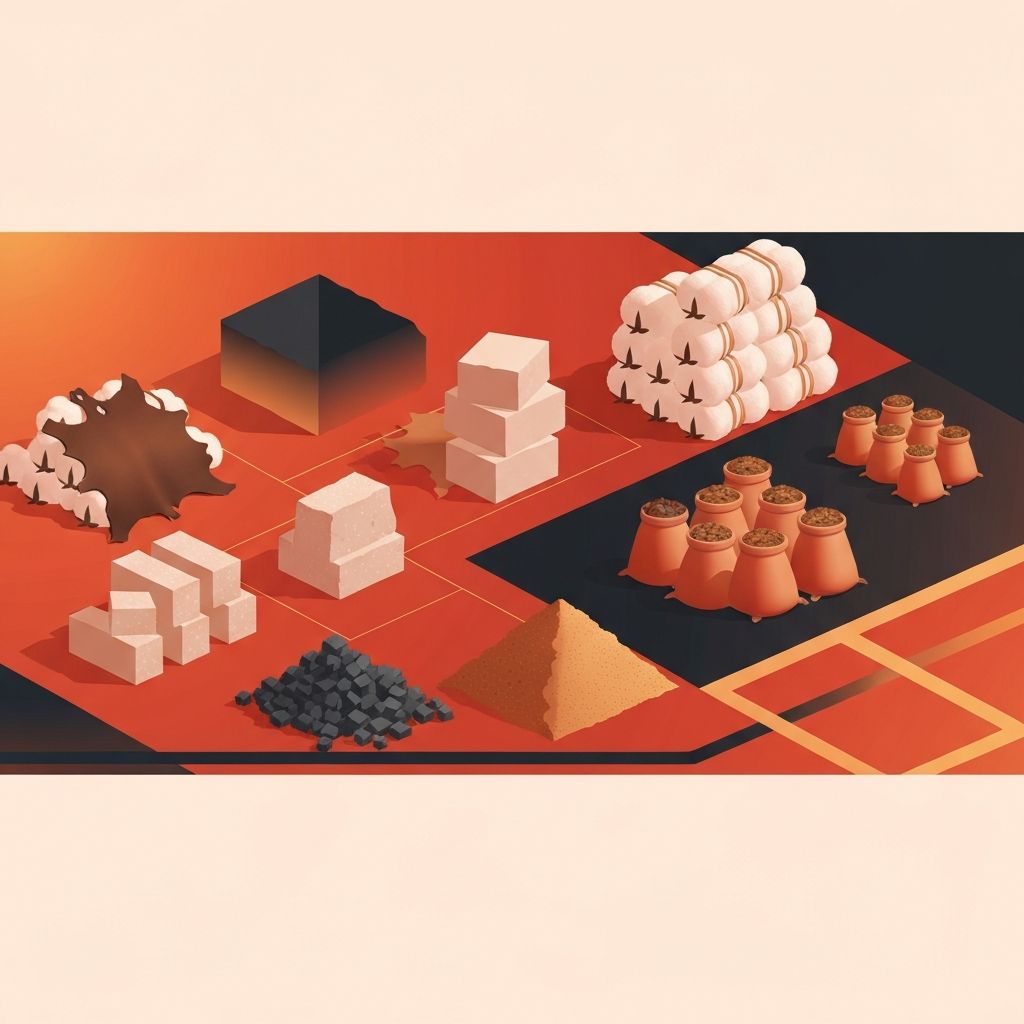
Raw Materials: The Foundation of Ethiopia's Industrial Growth
Raw materials are the backbone of any thriving industrial economy, and Ethiopia is no exception. As the country accelerates its industrialization, manufacturers across textiles, construction, food processing, leather, metalworking, and pharmaceuticals require steady, high-quality raw material supplies. From cotton and leather to limestone, iron ore, and agricultural commodities, Ethiopia is rich in natural resources that fuel domestic industries and export markets alike.
Raw material suppliers serve as the essential link between producers and manufacturers, ensuring industries have access to the inputs they need to operate efficiently. Below is a detailed look at the top raw material suppliers in Ethiopia.
1. Ethiopian Cotton Producers and Marketing Enterprise
The Ethiopian Cotton Producers and Marketing Enterprise is a key supplier of raw cotton to the country's textile industry. With strong networks among smallholder farmers and large commercial farms, the enterprise ensures consistent supply, supporting Ethiopia's growing textile and garment sector.
2. Ethiopian Leather Industry Association Network
Ethiopia has one of Africa's largest livestock populations, making it a major source of hides and skins. The Ethiopian Leather Industry Association Network connects raw material suppliers with tanneries and leather product manufacturers, supporting the country's globally recognized leather industry.
3. Hagbes Mining and Raw Materials
Hagbes operates a significant business in mining and raw material supply, including limestone, marble, granite, and industrial minerals. Its strong logistics and well-organized supply chain make it a trusted partner for construction firms, cement producers, and manufacturers.
4. National Cement Share Company
National Cement Share Company is among Ethiopia's largest producers of cement and a major supplier of construction-related raw materials. The company plays a critical role in supporting infrastructure projects, real estate developments, and industrial construction.
5. Ethio Steel Raw Materials
Ethio Steel Raw Materials supplies iron ore, scrap metal, and other inputs essential for the steel manufacturing industry. By ensuring a steady supply of raw materials, the company helps Ethiopian steel mills produce rebars, structural steel, and other construction materials.
6. Ankober Agricultural Suppliers
Ankober Agricultural Suppliers focuses on raw agricultural commodities such as wheat, maize, pulses, oilseeds, and spices. The company plays a vital role in supplying food processors, exporters, and beverage manufacturers with consistent volumes of high-quality agricultural inputs.
7. Sheger Chemicals Supply
Sheger Chemicals Supply specializes in industrial chemicals used in pharmaceuticals, cosmetics, food processing, and water treatment. The company imports and distributes a wide range of chemical raw materials, supporting numerous manufacturing sectors across Ethiopia.
8. Habesha Pulp and Paper Supplies
Habesha Pulp and Paper Supplies provides essential raw inputs to Ethiopia's paper and printing industries. With a focus on consistent quality and sustainable sourcing, the company supports manufacturers of notebooks, packaging materials, and printing products.
9. Ethio Plastic Resin Distributors
Ethio Plastic Resin Distributors supplies raw plastic resins and polymers used in producing packaging, household goods, automotive parts, and industrial equipment. The company plays an important role in supporting Ethiopia's growing plastics manufacturing sector.
10. Selam Glass and Industrial Materials
Selam Glass and Industrial Materials provides raw inputs for glass manufacturing, ceramics, and construction-related products. By offering a steady supply of high-quality industrial materials, the company helps fuel Ethiopia's construction and consumer goods industries.
Trends Shaping the Raw Material Supply Industry
Ethiopia's raw material supply industry is undergoing rapid transformation. Government policies aimed at strengthening industrial parks have boosted demand for textile inputs, leather, and packaging materials. Meanwhile, the construction boom continues to drive demand for cement, steel, glass, and other building materials. Sustainability is also gaining importance, with more suppliers emphasizing ethical sourcing, traceability, and environmentally friendly processes.
Why Reliable Raw Material Suppliers Matter
Reliable raw material suppliers are essential for ensuring uninterrupted production, stable pricing, and consistent product quality. For manufacturers, supply chain disruptions can lead to significant losses, making the choice of supplier a strategic decision. The best suppliers also offer value-added services such as logistics support, customized packaging, and quality testing.
Choosing the Right Raw Material Supplier
When selecting a raw material supplier in Ethiopia, businesses should evaluate quality consistency, supply capacity, pricing transparency, logistical capabilities, and compliance with industry standards. Established suppliers typically have certifications, strong client portfolios, and a proven track record of reliability.
Importance of Local Sourcing
Local raw material sourcing offers numerous advantages, including reduced transportation costs, faster delivery times, and support for the domestic economy. It also reduces dependence on imports, helps stabilize foreign exchange usage, and creates employment opportunities across rural and urban areas.
Future Outlook
The future of Ethiopia's raw material supply industry looks promising, with continued investment in mining, agriculture, and manufacturing expected to drive demand. Innovations in sustainable sourcing, traceability technologies, and value addition will further enhance the country's role as a competitive supplier in regional and global markets.
Conclusion
Ethiopia's top raw material suppliers form the foundation of the country's industrial growth. By providing manufacturers and producers with reliable access to high-quality inputs, they support thousands of businesses across the textile, leather, construction, food, and chemical sectors. As Ethiopia continues to expand its industrial base, these suppliers will remain key pillars of the country's economic transformation.
