
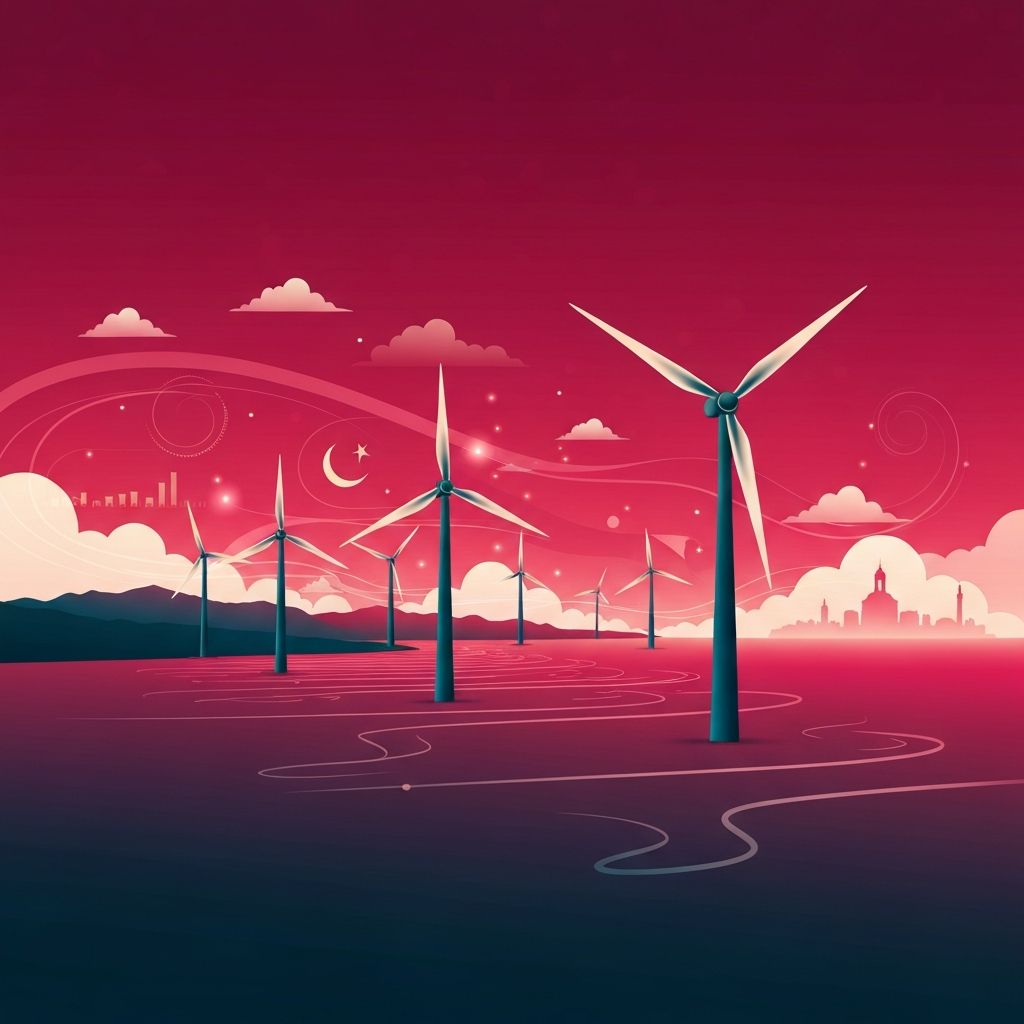
Wind Energy in Pakistan: A Growing Powerhouse
Pakistan possesses one of South Asia's most attractive wind resources, particularly along the Gharo–Jhimpir corridor in Sindh, where wind speeds regularly exceed 7 meters per second. Since the inauguration of the country's first private wind farm in 2013, dozens of wind IPPs have come online, contributing significantly to the national grid. The government's renewable policy framework and competitive tariff regime continue to drive new investments in the sector.
The companies featured below are leading Pakistan's wind energy industry through reliable operations, strong project execution, and a long-term commitment to clean power.
1. Zorlu Enerji Pakistan
A subsidiary of Turkey's Zorlu Enerji Group, this company built Pakistan's first private wind power plant. With deep international experience and pioneering local presence, Zorlu remains a benchmark for wind project development in the country.
2. Sapphire Wind Power
Sapphire Wind Power operates a high-performance wind farm in Jhimpir, known for its strong capacity factor and consistent generation. The company is part of the diversified Sapphire Group, which has interests across multiple sectors.
3. Tenaga Generasi Limited
Tenaga Generasi was among the early movers in Pakistan's wind sector, with strong international shareholding and proven operational expertise. The company's Sindh-based facility continues to deliver reliable clean energy.
4. FFC Energy
A subsidiary of Fauji Fertilizer Company, FFC Energy operates a major wind farm in Sindh and benefits from strong corporate governance, robust financial backing, and disciplined project management practices.
5. Tricon Boston Consulting Corporation
Tricon Boston operates one of Pakistan's largest single-investor wind projects with three connected wind farms in Jhimpir. The company is known for its scale, professional management, and reliable grid contribution.
6. Master Wind Energy
Master Wind Energy, part of the Master Group, runs a large wind farm in Jhimpir and is among the leading wind producers in the country. The group also has diversified interests in textiles, foam, and chemicals.
7. Yunus Energy
Yunus Energy operates a 50 MW wind power project in Jhimpir. Backed by the Lucky Group, the company benefits from strong industrial expertise and disciplined operations.
8. Hawa Energy
Hawa Energy is a respected wind IPP in Sindh, generating clean electricity for the national grid. The company has built a solid track record of operational reliability and prudent maintenance.
9. Hydro China Dawood Power
A joint venture project, Hydro China Dawood Power operates a substantial wind farm in Sindh. The collaboration brings together Chinese engineering expertise and local industrial leadership.
10. Three Gorges First Wind Farm Pakistan
Operated under the broader Three Gorges Group framework, this wind farm represents a significant Chinese investment in Pakistan's renewable sector and is part of broader CPEC-related cooperation.
Why Wind Energy Is Critical for Pakistan
Wind power offers Pakistan a clean, indigenous, and price-stable energy source. Unlike imported fossil fuels, wind generation is not exposed to global commodity volatility or foreign exchange pressure. As the country pushes toward 30 percent renewable generation by 2030, wind will remain a key pillar alongside solar and hydro.
The Gharo–Jhimpir Wind Corridor
This corridor stretching across coastal Sindh has wind speeds and consistency comparable to some of the world's best wind sites. The area now hosts dozens of operational wind farms with thousands of megawatts under development. Improvements in transmission infrastructure are critical to evacuating this power to load centers in Karachi and Punjab.
Project Development and Financing
Wind projects in Pakistan are typically structured as IPPs with 20-year energy purchase agreements. Financing comes from a mix of local banks, international DFIs such as IFC and ADB, and equipment manufacturers' export credit agencies. Strong sponsor balance sheets and experienced legal and financial advisors are essential for successful project execution.
Challenges and Considerations
Key challenges include grid evacuation constraints, circular debt issues, currency depreciation, and tariff renegotiations. Operational challenges include sand and salt exposure, which require robust maintenance regimes. Successful operators invest in advanced SCADA systems, predictive maintenance, and strong local partnerships.
Future Outlook
The next phase of Pakistan's wind sector will likely involve repowering of older sites, hybrid wind-solar-storage projects, and offshore wind exploration along the Sindh and Balochistan coastlines. Corporate PPAs and green hydrogen production are also potential growth areas.
Final Thoughts
Wind energy is a cornerstone of Pakistan's clean energy strategy, contributing to energy security, environmental goals, and economic stability. The companies above represent the most experienced and reliable wind power producers in Pakistan, each playing a vital role in the country's renewable journey. As technology evolves and policy support strengthens, wind power will remain central to a more sustainable energy future.
