
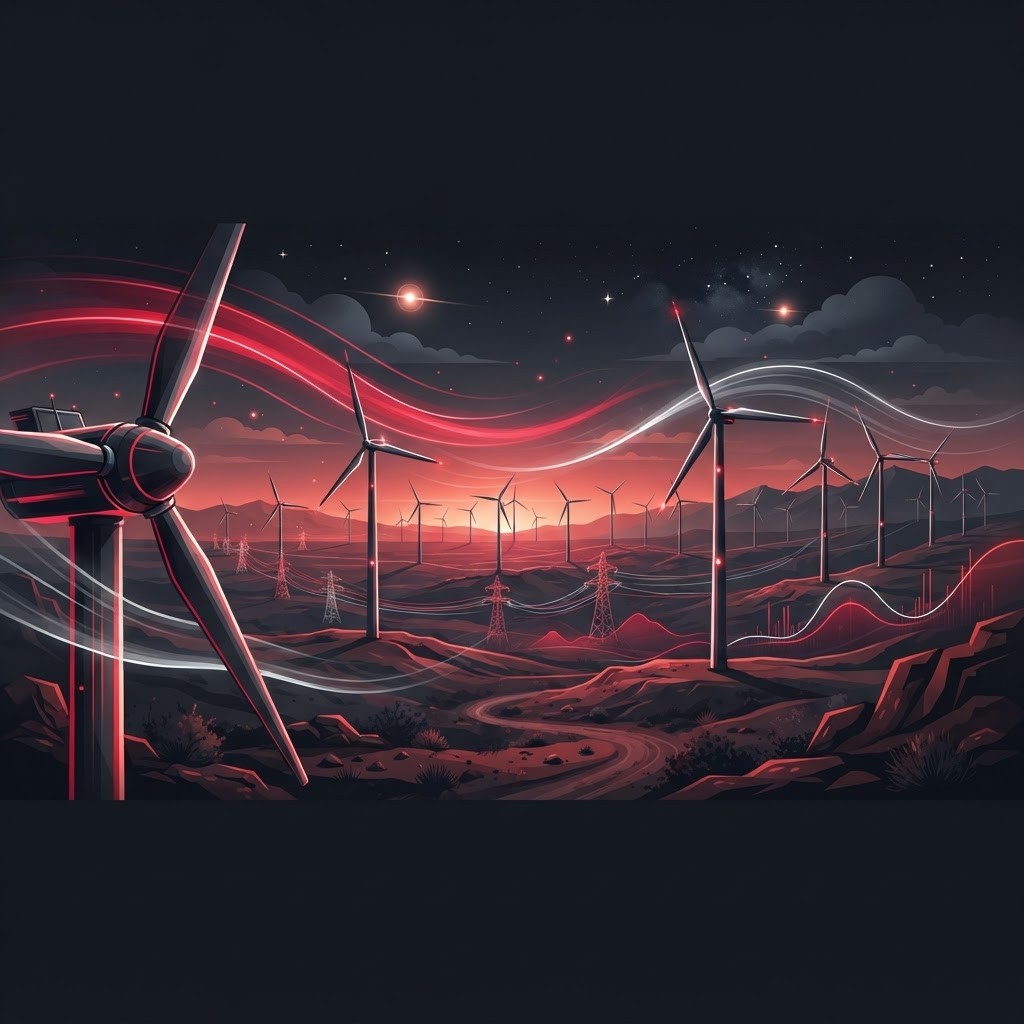
Wind in the West Texas and Borderplex Context
Texas produces more wind power than any other state, and while the densest turbine clusters sit in the Panhandle and along the Gulf Coast, the mountain passes, mesas, and open plains within reach of El Paso hold meaningful wind resources. Elevation changes around the Franklin, Hueco, and Guadalupe ranges create channeling effects, and the broader region benefits from strong seasonal wind patterns that complement its exceptional solar profile.
That complementarity is strategically important. Solar peaks midday while wind in the region often strengthens in the evening and overnight, so a portfolio combining both, plus battery storage, delivers steadier output than either alone. Utilities and large power buyers increasingly contract for exactly that blend.
Developers and Owners Active in the Region
The companies developing wind near El Paso and across West Texas are largely national and international operators with deep capital and engineering resources. NextEra Energy Resources is the largest wind owner in the United States and has extensive Texas holdings. Pattern Energy, EDF Renewables, Enel Green Power, RWE Clean Energy, Invenergy, Apex Clean Energy, Ørsted Onshore, and Avangrid Renewables have all developed or acquired wind assets in Texas and the wider Southwest, and several have contracted output into regional utility portfolios.
El Paso Electric, as the local utility, is a central counterparty. Its resource planning and power purchase agreements determine how much regional wind capacity is contracted, and because much of its footprint sits in the Western Interconnection rather than ERCOT, interconnection studies and market rules differ from the rest of Texas. Developers who understand that distinction move faster.
Turbine Manufacturers and the Supply Chain
The equipment side is dominated by a handful of global manufacturers. Vestas, GE Vernova, Siemens Gamesa Renewable Energy, and Nordex supply most of the turbines installed in Texas, along with long-term service agreements that keep fleets running. Their nacelles, blades, and towers move through the region on specialized transport, and El Paso's logistics infrastructure, rail access, and border trucking capacity make it a useful staging and transit point for components heading to project sites across the Southwest and northern Mexico.
Around the manufacturers sits a service ecosystem: engineering and construction contractors that build access roads, foundations, and collection systems; crane and heavy haul operators; blade repair and inspection specialists using drones and rope access teams; and electrical contractors handling substations and transmission tie-ins. Several of these firms maintain regional offices or crews based in or near El Paso, and the sector has become a meaningful source of skilled technical employment.
Project Economics and Power Purchase Agreements
Wind project viability depends on measured wind resource, land control, interconnection queue position, transmission capacity, and offtake. Developers typically spend years on met tower or lidar measurement campaigns, environmental and avian studies, land assembly, and interconnection studies before construction begins.
Federal production tax credits have historically anchored project returns, and transferable credit structures have broadened the pool of investors able to monetize them. On the revenue side, projects sell power through utility power purchase agreements, corporate offtake deals with technology, retail, and manufacturing buyers, or merchant sales into wholesale markets. Corporate procurement has grown substantially as companies pursue emissions targets, and West Texas wind is among the most cost-competitive supply available to them.
What Landowners Should Understand
For ranch and farm owners, wind leasing can provide decades of income while leaving most acreage available for grazing or cultivation, since turbines and roads occupy a small share of a site. But lease terms deserve careful legal review. Key provisions include the option and development period length, royalty structure and escalation, minimum payments, setbacks from homes and property lines, road maintenance obligations, restrictions on the owner's own use, assignment rights, confidentiality clauses, and decommissioning security to ensure removal at end of life.
Owners should also consider interaction with mineral rights, which in Texas are frequently severed from the surface estate and can complicate turbine siting. Coordinating surface and mineral interests early avoids conflicts once construction is scheduled.
Trends Shaping the Industry
Several shifts are reshaping wind development. Turbines have grown taller with longer blades, raising capacity factors and making moderate-wind sites economic that once were not. Repowering, replacing older turbines with modern equipment on existing sites, has become a major segment because it reuses land, roads, and interconnection. Hybrid projects that co-locate wind, solar, and storage behind a single interconnection point are increasingly standard. Transmission constraints remain the largest bottleneck across Texas and the Southwest, making new line construction a determining factor for future capacity. And workforce development, particularly training for wind technicians, has become a strategic priority for the region's community colleges and technical programs.
How to Evaluate a Wind Partner
Whether you are a landowner, a corporate buyer, or a municipality, the evaluation criteria are similar. Ask about the company's operating portfolio and whether it holds assets long term or sells after development. Confirm financial capacity, permitting track record, and experience with the specific interconnection authority. Request references from landowners and host communities on prior projects. For service providers, verify safety records, technician certifications, and insurance.
Above all, insist on written commitments regarding land restoration, road maintenance, community payments, and decommissioning, since these obligations extend far beyond the people negotiating them.
Final Thoughts
Wind energy around El Paso benefits from strong regional resources, established global developers, a growing service workforce, and logistics infrastructure suited to moving large components. As transmission expands and hybrid wind, solar, and storage projects become the norm, the Borderplex is positioned to capture a growing share of the Southwest's clean energy build-out.
