
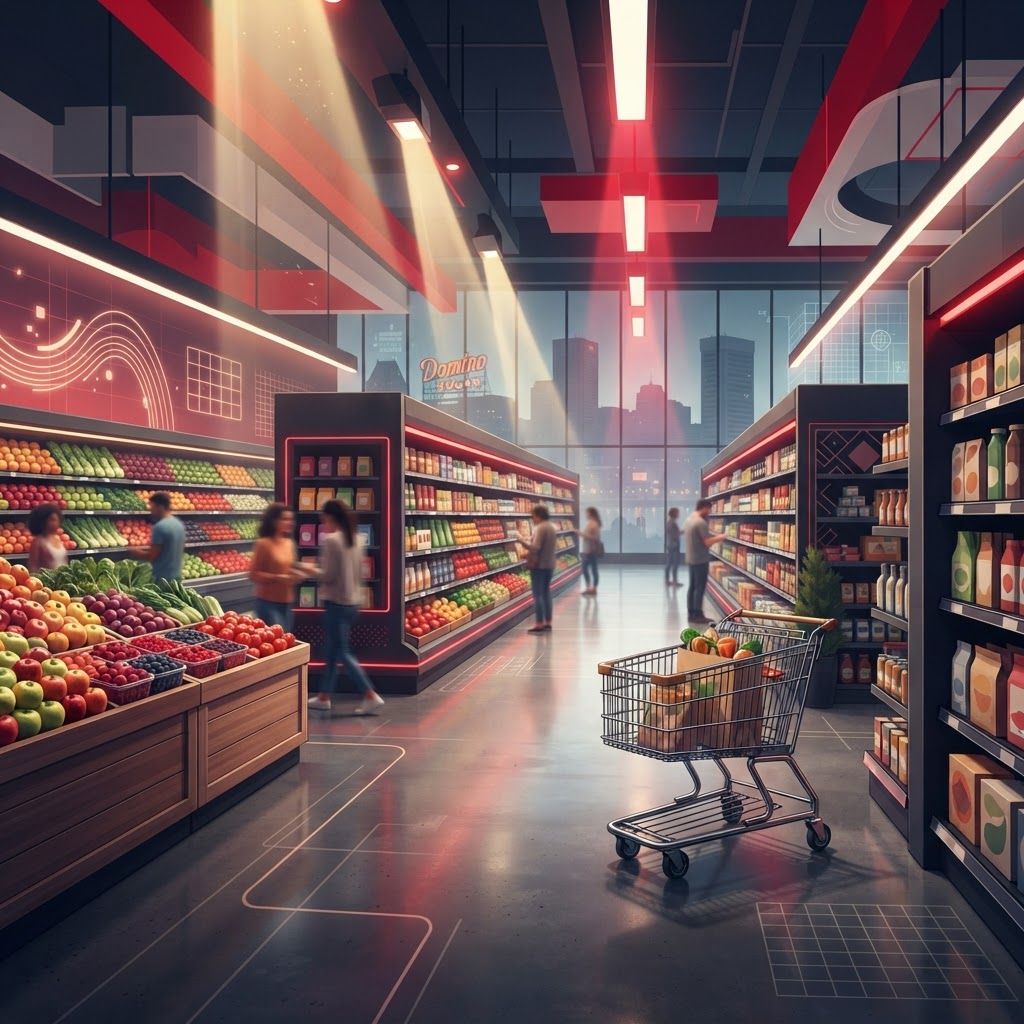
Grocery Shopping in a City of Neighborhoods
Baltimore's grocery landscape reflects its neighborhood structure more than most cities. Shopping patterns shift substantially between Hampden, Canton, Charles Village, and the northeast corridor, and residents commonly split their shopping across two or three stores rather than consolidating. A typical routine might combine a regional chain for weekly staples, a warehouse club for bulk household goods, and an international grocer for produce and specialty ingredients.
Geography and access matter here too. The Chesapeake Bay influences seafood availability and quality, while nearby Maryland farmland supports genuinely local produce during the growing season. Understanding what each chain does well allows shoppers to reduce both spending and time.
1. Giant Food
Giant Food is the most established mainstream supermarket presence in the Baltimore region. Store layouts are consistent, which makes efficient shopping easy, and departments cover full-service deli, bakery, seafood, and pharmacy needs under one roof. Its loyalty program delivers meaningful savings, particularly the fuel rewards that appeal to commuting households. In-house store brands provide credible quality at reduced pricing, and many locations include prepared food sections that serve as practical weeknight solutions.
2. Safeway
Safeway competes closely with Giant across the metro area and often wins on prepared foods and bakery quality. Its digital coupon system rewards shoppers who plan ahead, and personalized offers based on purchase history can substantially reduce weekly totals. Produce quality is generally strong, and the organic assortment has expanded considerably. For households wanting a full-service store with reliable pharmacy and floral departments, it is a dependable primary option.
3. Wegmans
Wegmans has developed near-devotional loyalty among Baltimore-area shoppers, and the reasons are tangible. The stores are unusually large, with exceptional cheese, seafood, bakery, and international sections plus extensive prepared food operations that function as legitimate meal destinations. Staff training is visibly superior, and product knowledge in specialty departments matches dedicated shops. Prices on store-brand items are competitive despite the premium atmosphere, making it viable as a primary rather than occasional destination.
4. Lexington Market and Baltimore Public Markets
No honest grocery guide to Baltimore can omit the public market system. Lexington Market and its counterparts represent one of the oldest continuously operating market traditions in the country, hosting independent vendors selling seafood, butchered meat, produce, baked goods, and prepared food. Shopping here means talking directly to the person who sourced the product, which produces both better information and better freshness. Prices on seafood and specialty meats frequently beat conventional supermarkets, and the experience supports small local businesses directly.
5. Trader Joe's
Trader Joe's occupies a distinct niche in Baltimore shopping habits. Its compact stores carry a heavily curated private-label assortment rather than broad brand selection, which makes trips fast and inexpensive. Frozen prepared items, snacks, sauces, wine, and cheese represent the strongest categories. Because inventory is limited and rotates seasonally, most shoppers use it as a supplement rather than a complete solution, pairing it with a full-service supermarket for staples and fresh proteins.
6. Aldi
Aldi delivers the most consistent low pricing in the Baltimore market by operating deliberately lean. The assortment is small and predominantly private label, stores are compact, and shoppers bag their own groceries. For households focused primarily on cost, savings on dairy, eggs, pantry staples, and frozen goods are substantial and reliable. Produce quality has improved considerably in recent years, and the rotating specialty aisle adds unpredictable value on household and seasonal items.
7. Costco
Costco serves Baltimore families and small businesses through bulk purchasing. The value proposition is clearest on paper goods, cleaning supplies, meat, cheese, and pantry staples where per-unit savings compound significantly. Its optical, pharmacy, tire, and fuel services add further reasons to maintain membership. Bulk formats require adequate storage and realistic consumption planning, so the model suits larger households and shared purchasing arrangements better than single occupants.
8. BJ's Wholesale Club
BJ's competes directly with Costco in the region while offering some meaningful differences. It accepts manufacturer coupons alongside club pricing, which enables deeper savings for organized shoppers, and it carries more smaller-format packages, making membership viable for moderate households. Fresh produce, bakery, and meat departments are solid, and the fuel program provides regular value for commuters navigating the Baltimore beltway.
9. H Mart
H Mart has become essential to Baltimore's culinary landscape. Its Asian grocery assortment includes live and whole fish, extensive noodle and rice selections, fermented products, fresh tofu, hard-to-source produce, and prepared foods. Beyond serving the region's Korean, Chinese, Vietnamese, and Filipino communities, it has attracted a broad general audience seeking better produce pricing and ingredients unavailable in conventional supermarkets. The prepared food courts at larger locations are destinations in themselves.
10. Local International and Halal Grocers
Baltimore supports a wide network of independent international grocers serving Latin American, West African, Caribbean, South Asian, and Middle Eastern communities. These stores stock fresh halal meat, specialty spices, dried goods, regional produce, and imported staples at prices that reflect community rather than specialty positioning. For anyone cooking cuisines seriously, they provide authenticity that mainstream chains approximate at best. They also strengthen neighborhood economies and often extend informal credit and delivery relationships to regular customers.
Trends Shaping Baltimore Grocery Retail
Online ordering with curbside pickup has become permanently established, and most chains now treat it as core infrastructure rather than an add-on. Interest in local sourcing continues rising, with Maryland produce, Chesapeake seafood, and regional dairy featured more prominently during peak seasons. Private-label expansion is the most financially significant trend, as store brands have narrowed the quality gap enough that many shoppers now default to them. Finally, prepared food sections keep expanding as supermarkets compete directly with restaurants for weeknight dinner spending.
Practical Strategies for Lower Grocery Bills
Split your shopping deliberately rather than seeking one perfect store. Use warehouse clubs for non-perishable household goods, discount chains for staples, and public markets or international grocers for fresh proteins and produce. Shop from a list built around what is actually seasonal, since Maryland corn, tomatoes, and crab pricing swing dramatically through the year. Enroll in every loyalty program you use and load digital coupons before entering the store. Check unit pricing rather than package pricing, and be willing to substitute store brands in categories where the difference is genuinely imperceptible.
Final Thoughts
Baltimore rewards grocery shoppers who embrace variety. Between full-service regional chains, disciplined discounters, warehouse clubs, historic public markets, and a rich network of international grocers, the city offers both value and genuine quality. Build a routine around two or three complementary stores and both your budget and your cooking will improve noticeably.
