
A State That Takes Its Venues Seriously
Washington has an unusually strong stadium culture for its population. Part of that comes from passionate fan bases, part from geography that gives architects extraordinary backdrops of water, skyline, and mountains, and part from a regional willingness to invest in design and sustainability rather than settling for functional concrete bowls. The result is a collection of venues that consistently rank among the best in North America for atmosphere and experience.
The state's sporting identity also spans an impressive range. Professional football, baseball, soccer, and hockey coexist with two major college athletics programs, thriving minor league baseball, and community-level facilities that host high school championships and regional tournaments. That diversity means a stadium tour of Washington offers roaring seventy-thousand-seat cauldrons and sunny small-town ballparks in equal measure.
What Makes a Great Stadium
Capacity is the least interesting metric. The venues that endure combine sightlines that keep fans close to the action, acoustics that amplify crowd energy, thoughtful concourse flow, genuinely good regional food and beverage, transit access, and a sense of place that could not be transplanted anywhere else. Increasingly, sustainability credentials and accessibility matter as much as luxury suites. The stadiums below excel across those dimensions.
The Top 10 Stadiums in Washington
1. Lumen Field, Seattle
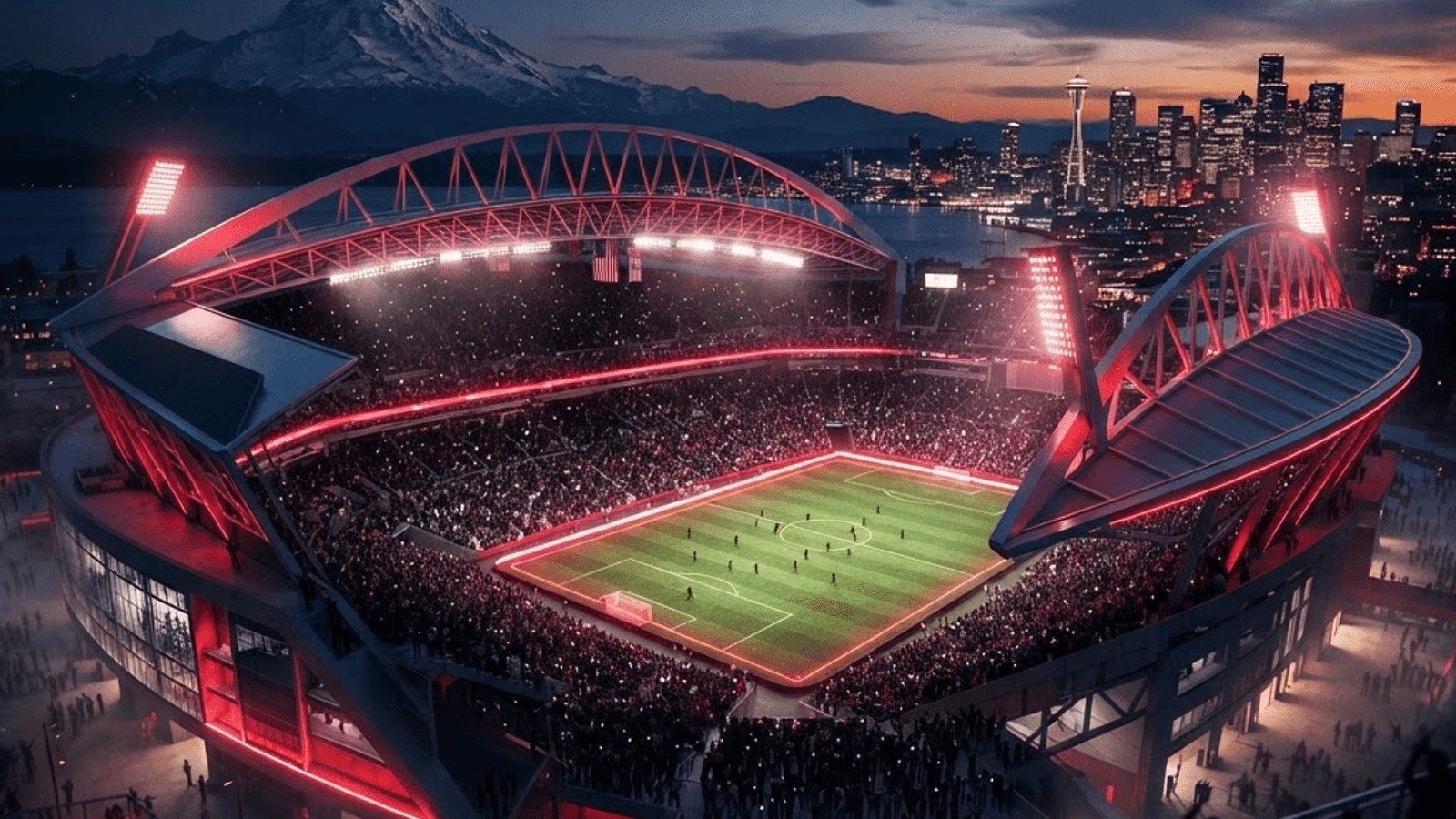
Home to the Seattle Seahawks and Seattle Sounders FC, Lumen Field is legitimately one of the loudest stadiums in world sport. Its partially enclosed design and steep, overhanging north stand trap and reflect crowd noise, creating the sound levels that made the venue famous. The downtown location delivers skyline and Puget Sound views, excellent transit access, and a concessions program that showcases Pacific Northwest food. For soccer, the atmosphere is equally distinctive, with organized supporter sections producing continuous song for ninety minutes.
2. T-Mobile Park, Seattle
The Seattle Mariners' ballpark is a landmark of modern baseball architecture, best known for its retractable roof that shelters play without enclosing the stadium, preserving open-air feel during the region's rainy stretches. Sightlines are excellent, the exposed steel and brick detailing reference Seattle's industrial heritage, and the food program is widely regarded as among the best in Major League Baseball. Sustainability initiatives in waste diversion and energy efficiency have made it a frequent case study for green venue operations.
3. Husky Stadium, Seattle
Perched on the shore of Lake Washington with views toward Mount Rainier, the University of Washington's football stadium may occupy the most spectacular setting in American college sports. Its distinctive cantilevered roof structures channel crowd noise onto the field, giving it a fearsome home-field reputation. The tradition of sailgating, arriving by boat and mooring nearby before kickoff, is unique in college athletics. A major renovation modernized concourses, seating, and premium areas while preserving the venue's iconic character.
4. Climate Pledge Arena, Seattle
Home to the Seattle Kraken and a premier concert venue, Climate Pledge Arena is arguably the most ambitious sustainability project in professional sports architecture. The historic roof from the original structure was preserved and suspended while an entirely new arena was excavated beneath it. The building operates without fossil fuel systems, uses reclaimed rainwater for the ice, and prioritizes waste elimination. Fans experience steep, intimate seating, excellent acoustics, and a genuinely modern hospitality program.
5. Martin Stadium, Pullman
Washington State University's football home sits in the Palouse hills and delivers an atmosphere disproportionate to its capacity. Because the stands press close to the field on both sides, noise concentrates effectively, and the student section is renowned for intensity. Renovations added modern press and premium facilities while keeping the compact, enclosed feel. The surrounding college-town setting makes game day a full-weekend cultural event rather than a three-hour outing.
6. Beasley Coliseum, Pullman
A distinctive circular arena serving Washington State basketball and major events, Beasley Coliseum is notable for architecture that stands apart from the standard rectangular box. Its bowl configuration creates strong acoustics and clear sightlines from nearly every seat. Beyond athletics, it has hosted decades of concerts, commencements, and regional gatherings, making it a genuine community institution in eastern Washington rather than solely a sports facility.
7. Cheney Stadium, Tacoma
Home of the Tacoma Rainiers, Cheney Stadium is one of the most enjoyable minor league baseball experiences in the country. Extensive renovation modernized the seating bowl, concourses, and group areas while retaining an intimate scale where fans sit genuinely close to the field. Views toward the surrounding tree line and occasional Mount Rainier sightlines add regional character, and family-friendly pricing plus creative promotions make it a summer staple for the south Sound.
8. Avista Stadium, Spokane
The Spokane Indians play in one of the most well-regarded small ballparks in the Northwest, celebrated for excellent grounds keeping, community atmosphere, and outstanding value. The venue has been steadily upgraded while retaining a classic, unpretentious ballpark feel. It is also recognized for strong sustainability and local partnership programs, and for a fan experience that emphasizes accessibility and family affordability over premium spending.
9. Gesa Field at Ron Tonkin Complex and Regional Multi-Sport Venues
Washington's mid-sized multi-sport stadiums, including regional complexes in the Tri-Cities and Yakima Valley, deserve recognition for the volume of athletics they support. These venues host minor league baseball, soccer, high school championships, and tournaments that drive substantial local economic activity. Their strengths are versatility, strong field surfaces, and community programming that keeps them active nearly year-round rather than seasonally dormant.
10. Starfire Sports Complex, Tukwila
A cornerstone of Washington's soccer development pipeline, Starfire Sports Complex features a distinctive stadium ringed by amphitheater-style seating and multiple training pitches. It has hosted professional matches, national tournaments, and countless youth competitions. Its importance lies in accessibility: this is where the region's soccer culture is actually built, and its intimate main stadium offers a viewing experience closer to the action than any large professional venue can provide.
Trends Shaping Washington's Venues
Three themes stand out. Sustainability has become a competitive differentiator, with Washington venues leading nationally on carbon reduction, waste diversion, water reclamation, and transit-oriented planning. Regional food identity has replaced generic concessions, turning local restaurants and producers into part of the attraction. Finally, adaptive reuse and renovation increasingly win out over demolition, as seen in the preservation of historic structural elements while rebuilding everything around them.
Tips for Attending Events
Use public transit for downtown Seattle venues, where light rail is dramatically easier than parking. Arrive early for college games in Pullman, where the town's game-day scale makes traffic significant. Dress in layers regardless of season, since evening temperatures near the water drop sharply and rain arrives without much warning. For baseball, weekday games offer better pricing and shorter lines than weekend series. And check bag policies in advance, as most major venues now enforce clear-bag or size-limited entry.
Final Thoughts
Washington's stadiums succeed because they are rooted in their surroundings. Lake and mountain views, preserved historic rooflines, regional cuisine, and crowds that genuinely affect outcomes combine to create venues that feel specific rather than interchangeable. Whether you want the deafening intensity of a football Sunday, the relaxed pleasure of a summer evening at a minor league park, or the engineering statement of a carbon-neutral arena, the state offers a remarkably deep catalog of places worth traveling for.
