
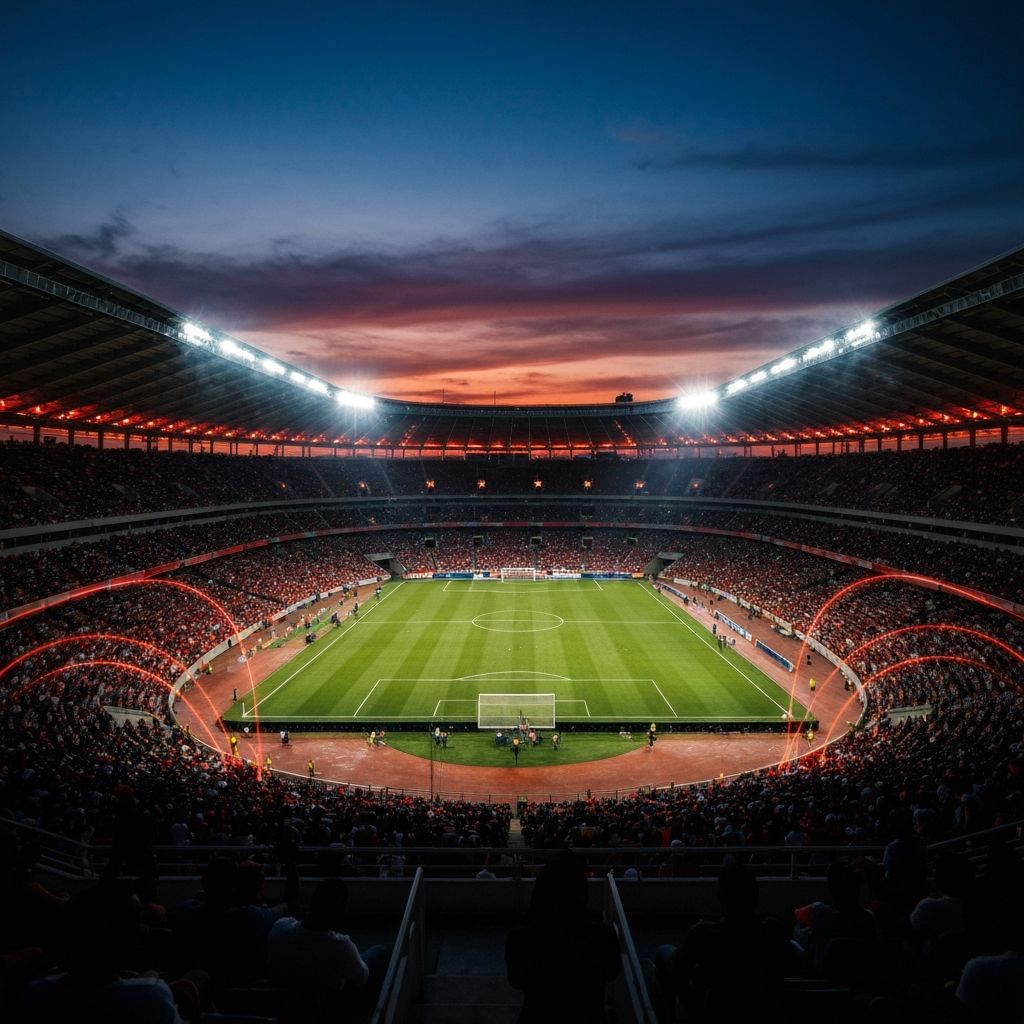
The Importance of Stadiums in DR Congo
Stadiums hold a special place in the culture and identity of the Democratic Republic of Congo. Beyond being venues for football, athletics, and concerts, they serve as gathering points that unite communities and celebrate national pride. Several stadiums across the country have become landmarks in their cities, hosting major sporting events, political rallies, and cultural performances.
Football and National Identity
Football is a beloved sport in DR Congo, with the national team known as the Leopards drawing passionate support. Stadiums provide the stage for this passion, offering experiences that resonate deeply with fans. Many of the venues have undergone renovations to meet international standards, allowing them to host continental tournaments.
1. Stade des Martyrs
Stade des Martyrs in Kinshasa is the largest and most iconic stadium in the country, with a capacity exceeding 80,000. It serves as the main venue for the national football team and major events. Its grand architecture and rich history make it a national treasure.
2. Stade Tata Raphael
Stade Tata Raphael is one of the oldest stadiums in DR Congo and gained worldwide fame for hosting the historic Rumble in the Jungle boxing match. Located in Kinshasa, it continues to be a beloved venue for sports and cultural events.
3. Stade Frederic Kibassa Maliba
Located in Lubumbashi, Stade Frederic Kibassa Maliba is a key venue for football in the south of the country. It is home to local clubs and hosts numerous regional competitions.
4. Stade TP Mazembe
Owned by the famous TP Mazembe football club, this stadium in Lubumbashi is regarded as one of the most modern in Central Africa. It offers world-class facilities and is a symbol of football excellence in the country.
5. Stade des Volcans
Located in Goma, Stade des Volcans is a popular venue for football matches and community gatherings. Its location near the iconic Nyiragongo volcano adds a unique scenic backdrop.
6. Stade Lumumba
Stade Lumumba, located in Matadi, is another important venue for sporting events in DR Congo. It hosts local league matches and youth football tournaments that nurture future talent.
7. Stade Bolingo
Stade Bolingo is a community-focused stadium that hosts local matches and cultural festivals. It plays an important role in promoting grassroots sports development in DR Congo.
8. Stade de l'Unite
Stade de l'Unite serves as a cultural and sporting hub for local communities. It is widely used for school events, national celebrations, and amateur football matches.
9. Stade Joseph Kabila
Stade Joseph Kabila, located in Kindu, is a key sporting facility in the central region. It hosts a variety of football and athletic events that bring communities together.
10. Stade Kashala Bonzola
Stade Kashala Bonzola in Mbuji-Mayi is an important venue for the region. It hosts both local and national competitions, contributing significantly to the growth of sports culture.
Architectural and Cultural Significance
Many stadiums in DR Congo feature unique architectural designs that reflect the country's heritage. They are not only sports venues but also cultural landmarks that hold deep historical importance. Several have undergone renovations to meet modern standards while preserving their iconic features.
Hosting International Events
Stadiums such as Stade des Martyrs and Stade TP Mazembe have hosted continental football competitions, including Africa Cup of Nations qualifiers and Confederation of African Football club tournaments. These events highlight the country's growing role in African sports.
The Future of Stadiums in DR Congo
Looking ahead, investments in stadium upgrades, training facilities, and youth development centers are expected to enhance the sporting landscape. Many venues are integrating modern amenities such as digital ticketing, improved seating, and enhanced security to elevate fan experiences.
Stadiums as Community Spaces
Beyond sports, stadiums serve as venues for concerts, religious gatherings, and political rallies. They contribute to local economies by attracting tourists, generating employment, and supporting small businesses.
Conclusion
The stadiums of DR Congo are more than just sporting venues, they are cultural institutions that embody the spirit and unity of the nation. From historic grounds like Stade Tata Raphael to modern arenas like Stade TP Mazembe, these venues continue to shape the country's sporting and cultural identity for generations to come.
