
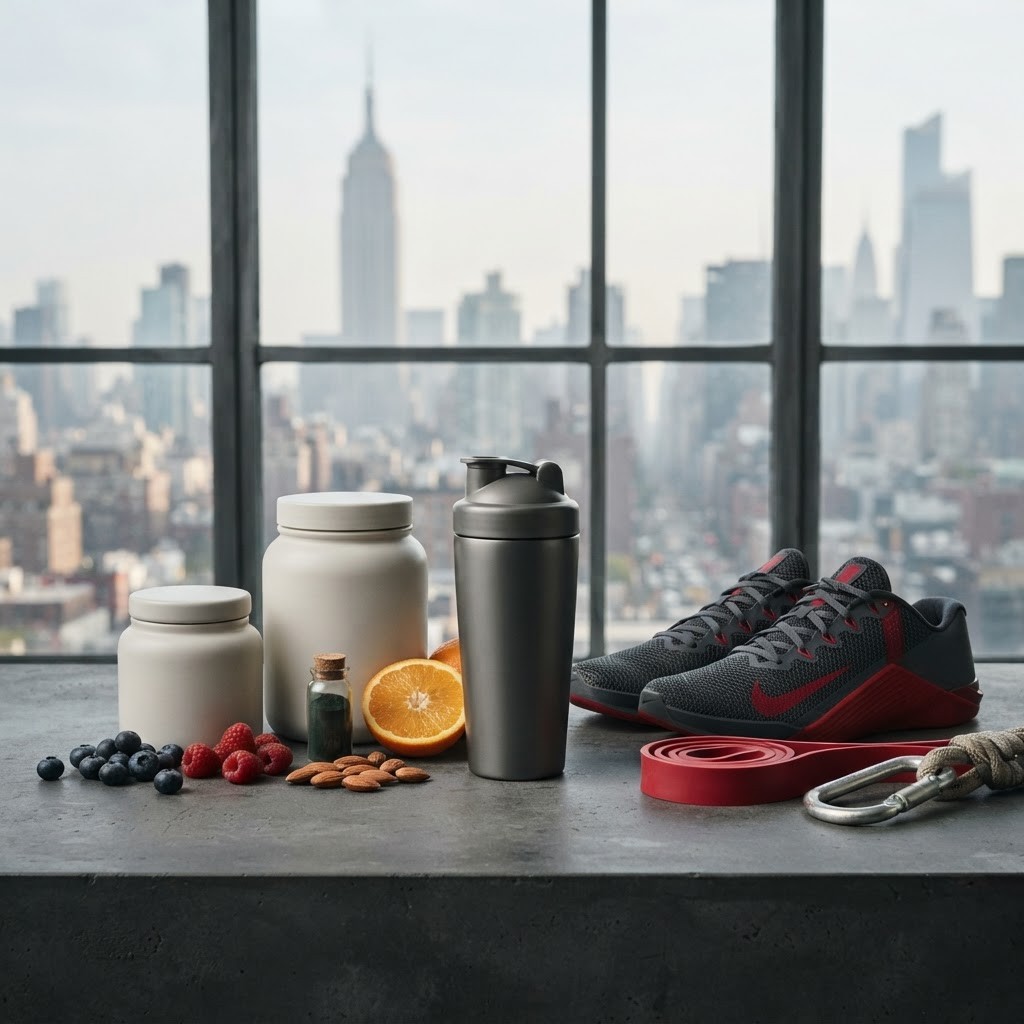
Sports Nutrition in a Performance-Driven City
New York athletes range from professional competitors and marathon runners to strength trainees and busy commuters fitting workouts into demanding schedules. Supplements may support convenience, hydration, recovery, or specific nutritional gaps, but they cannot replace balanced meals, sleep, and appropriate training. The brands below are widely recognized or strongly connected to the New York market. Inclusion is not medical endorsement, and individuals should consult a qualified clinician or sports dietitian when health conditions, medications, pregnancy, or tested competition are involved.
1. Klean Athlete
Klean Athlete focuses on straightforward performance nutrition and is known for products carrying recognized third-party sport certification. Its range includes protein, electrolytes, creatine, and micronutrients. The emphasis on testing is especially relevant to competitive athletes who must reduce the risk of banned-substance exposure. Clear use cases and relatively restrained formulations make comparison easier.
2. Thorne
Thorne offers an extensive portfolio spanning sports performance, foundational nutrition, and health-focused formulas. The brand is respected for manufacturing controls, research partnerships, and selected certified products. Athletes should still distinguish between broadly useful ingredients and products intended for a documented need. Its depth can be an advantage when guidance comes from a knowledgeable professional.
3. Optimum Nutrition
Optimum Nutrition is one of the most familiar sports nutrition brands in New York gyms and retailers. Gold Standard whey protein, creatine, and amino-acid products have broad distribution and consistent recognition. The brand’s scale supports numerous flavors and formats. Consumers should select based on protein needs, ingredient tolerance, and total diet rather than assuming more supplementation automatically produces better results.
4. Momentous
Momentous positions itself around performance, recovery, expert collaboration, and third-party certification. Its catalog includes protein, collagen, creatine, sleep-support products, and endurance nutrition. The brand appeals to athletes seeking transparent sourcing and products aligned with structured training. As with any premium line, shoppers should assess whether the formulation provides a meaningful benefit over simpler alternatives.
5. Garden of Life Sport
Garden of Life Sport is popular among consumers looking for plant-based and organic options. Products include protein powders, recovery blends, and energy or hydration formulas, with several carrying third-party certifications. Plant proteins can be useful for vegan athletes or people avoiding dairy, though taste, texture, amino-acid profile, and serving size vary. Whole-food protein intake should remain the foundation.
6. Gatorade Endurance
Gatorade Endurance is designed for prolonged training and racing, making it familiar within New York’s marathon and triathlon communities. Higher carbohydrate and electrolyte delivery can support long sessions where ordinary water is insufficient. Athletes should practice fueling during training rather than trying a new product on race day. Concentration, weather, sweat rate, and gastrointestinal tolerance all matter.
7. Huma Chia Energy Gel
Huma produces endurance gels made with fruit puree and chia seeds. Many runners appreciate the texture and relatively recognizable ingredient profile. The products offer portable carbohydrate for long runs, rides, and races. Performance value depends on consuming enough carbohydrate at suitable intervals, so athletes should build a personal fueling strategy rather than treating any single gel as a complete solution.
8. Honey Stinger
Honey Stinger provides waffles, chews, gels, and bars intended for activity. The products are easy to carry through Central Park, along the Hudson River Greenway, or during travel to regional events. Their primary role is convenient carbohydrate. Users should consider temperature stability, sweetness preference, and packaging disposal when selecting a format.
9. Orgain
Orgain is widely available in New York and offers dairy and plant-based protein powders, shakes, and nutrition products. Accessibility and multiple dietary formats make it useful for busy consumers. Protein supplements can help when meals are impractical, but serving needs vary by body size and training load. Reviewing sweeteners, allergens, and total calories supports a better choice.
10. Transparent Labs
Transparent Labs emphasizes disclosed ingredient amounts and avoids proprietary blends in many formulations. The lineup spans pre-workout, protein, creatine, and recovery products. Label transparency helps informed consumers compare evidence-based doses. However, stimulant tolerance differs substantially, and pre-workout products should not compensate for inadequate rest or be combined carelessly with other caffeine sources.
How to Evaluate a Supplement
Look first for independent certification such as NSF Certified for Sport or Informed Sport when banned-substance risk matters. Read the full ingredient panel, serving size, allergen statement, lot information, and expiration date. Avoid products promising rapid fat loss, hormone-like effects, or dramatic transformation. Evidence is strongest for a limited group of uses, including protein to meet dietary needs, creatine monohydrate for certain high-intensity goals, carbohydrate during endurance exercise, and electrolytes in appropriate conditions.
New York consumers should buy from reputable retailers and protect powders and gels from heat or moisture in small apartments and gym bags. Personalized nutrition, simpler labels, sustainable packaging, and sport certification are shaping the industry. The smartest approach remains conservative: identify a specific need, choose a tested product with an effective dose, monitor tolerance, and reassess whether it is helping. Fundamentals deliver most results; supplements should remain supplemental.
