
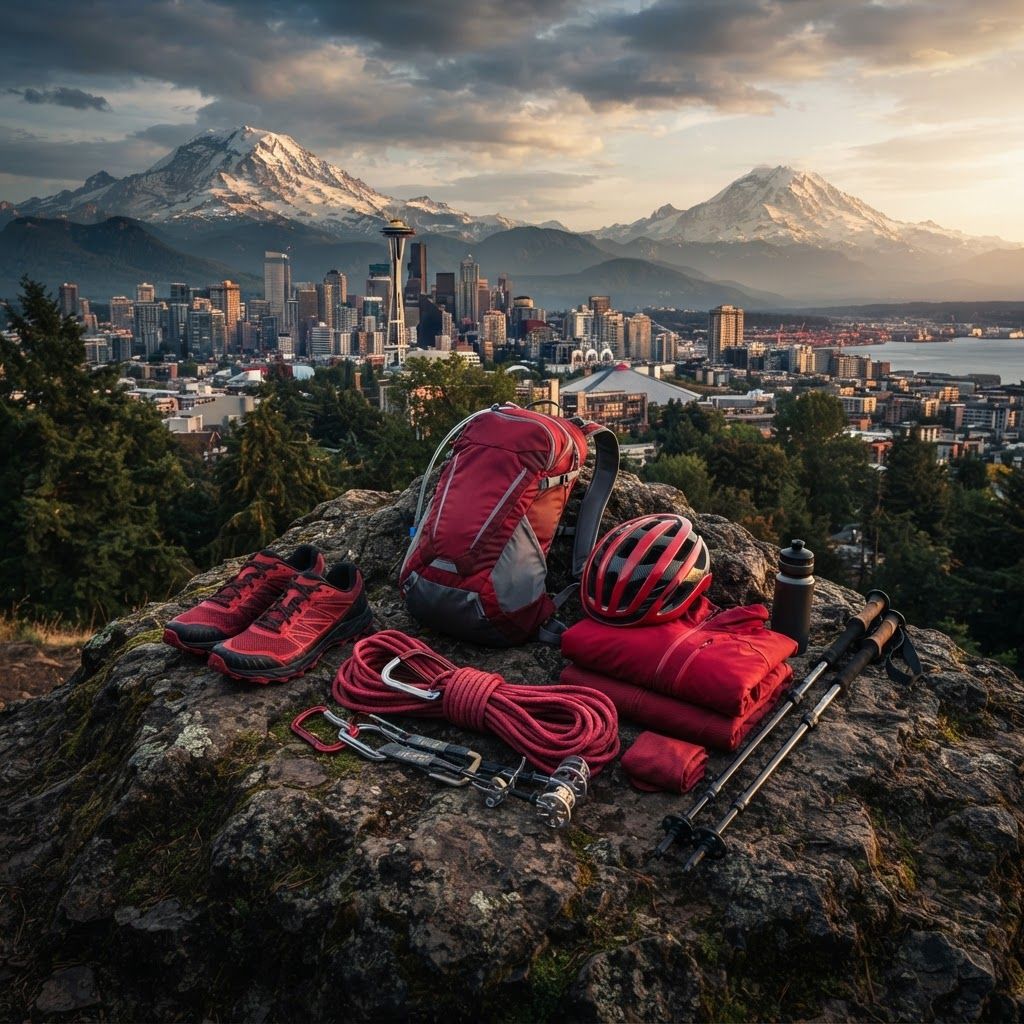
Gearing Up for the Outdoor Capital
Few cities embrace the outdoors like Seattle, where hiking, cycling, running, climbing, and water sports are woven into daily life. The surrounding mountains, forests, and waterways create year-round opportunities for adventure, and the region's unpredictable weather demands gear that performs in rain, wind, and sun alike. As a result, Seattle athletes are among the most gear-savvy consumers anywhere, prioritizing durability, technical performance, and versatility. Sports gear brands that succeed here earn their reputation through real-world reliability.
Local buyers also value sustainability and repairability, favoring brands that build products to last and support responsible manufacturing. This combination of performance and principle defines the Seattle sports gear market.
What Seattle Athletes Look For
Weatherproofing tops the list, with waterproof and breathable materials essential for the region's damp climate. Durability and warranty support matter greatly to buyers investing in equipment for demanding activities. Brands that emphasize environmental responsibility, from recycled fabrics to repair programs, resonate strongly with the eco-conscious community.
Ten Trusted Sports Gear Brands
REI Co-op, headquartered in the Seattle area, leads with its expansive outdoor gear selection and member-driven ethos. Patagonia commands deep loyalty for durable apparel and industry-leading environmental commitments. The North Face offers versatile outerwear and equipment built for mountain conditions. Arc'teryx appeals to serious adventurers with premium, technically advanced gear.
Nike remains a go-to for training, running, and lifestyle athletic wear. Under Armour serves performance-focused athletes across many sports, while Columbia Sportswear, a Northwest staple, delivers reliable, value-oriented outdoor apparel. Salomon excels in trail running and hiking footwear, Brooks Running earns praise for its Seattle roots and running-specific innovation, and Osprey rounds out the list with acclaimed backpacks for every kind of expedition.
Trends Driving the Market
Sustainable materials and circular programs, including gear resale and repair, are increasingly central to purchasing decisions. Hybrid apparel that transitions from trail to town reflects the region's active lifestyle. Advances in lightweight, high-performance fabrics continue to push the boundaries of comfort and protection.
Selecting the Right Gear
Choose equipment suited to your primary activities and Seattle's variable weather, prioritizing waterproof and breathable options. Invest in reputable brands with strong warranties and repair support to maximize value over time. Take advantage of gear-rental and member programs to test products before buying. With its unmatched access to nature, Seattle rewards well-equipped adventurers year-round.
A Practical Seattle Evaluation Framework
A strong shortlist should be evaluated through more than name recognition alone. Begin by identifying the outcome that matters most to you, then compare each option on quality, consistency, transparency, and overall value. Seattle's market is competitive, so leading businesses generally make their expertise clear and set realistic expectations. Pay attention to how each company explains its process, addresses common questions, and supports customers after an initial purchase or engagement. Those details often reveal more than promotional claims.
Local relevance deserves special consideration. Seattle includes dense urban neighborhoods, growing suburban communities, and customers with varied lifestyles, budgets, and expectations. A business that understands these differences can recommend solutions that feel appropriate rather than generic. Familiarity with the city's seasonal rhythms, sustainability priorities, and technology-forward culture can also improve the experience. Reputation is useful, but recent feedback and evidence of consistent delivery are more meaningful than a famous name by itself.
Quality, Value, and Long-Term Benefits
Price should be viewed alongside durability, service, convenience, and the expected life of the product or relationship. The lowest initial cost may not be the best value if quality is inconsistent or support is limited. Likewise, premium pricing should correspond with meaningful advantages such as superior materials, specialist knowledge, customization, stronger warranties, or measurable performance. Asking what is included makes comparisons fairer and helps prevent surprises.
Seattle consumers increasingly expect responsible practices. Depending on the category, that can include ethical sourcing, reduced waste, inclusive offerings, efficient operations, and honest communication. Businesses do not need to be perfect, but credible leaders can usually explain the concrete steps they take. Certifications, published standards, repair or reuse programs, and transparent policies provide useful signals when sustainability is a priority.
How to Compare Your Final Choices
Narrow the list to three candidates and assess them using the same criteria. Note their distinctive strengths, any limitations, and how well each aligns with your immediate needs. If an in-person experience is available, visit at a quieter time so staff can answer detailed questions. For service providers, request a clear explanation of scope, workflow, reporting, and expected outcomes. For products, inspect construction, ingredients, fit, or usability rather than relying only on appearance.
Finally, allow room for personal preference. The best Seattle option is the one that combines dependable quality with a style, philosophy, and customer experience that feels right for you. The ten names in this guide provide a useful starting point, but thoughtful comparison turns a broad ranking into a confident decision. As Seattle continues to grow, competition will keep raising standards, giving residents access to more innovative, responsible, and specialized choices across the city.
