
The Vital Role of Shipping for an Island Nation
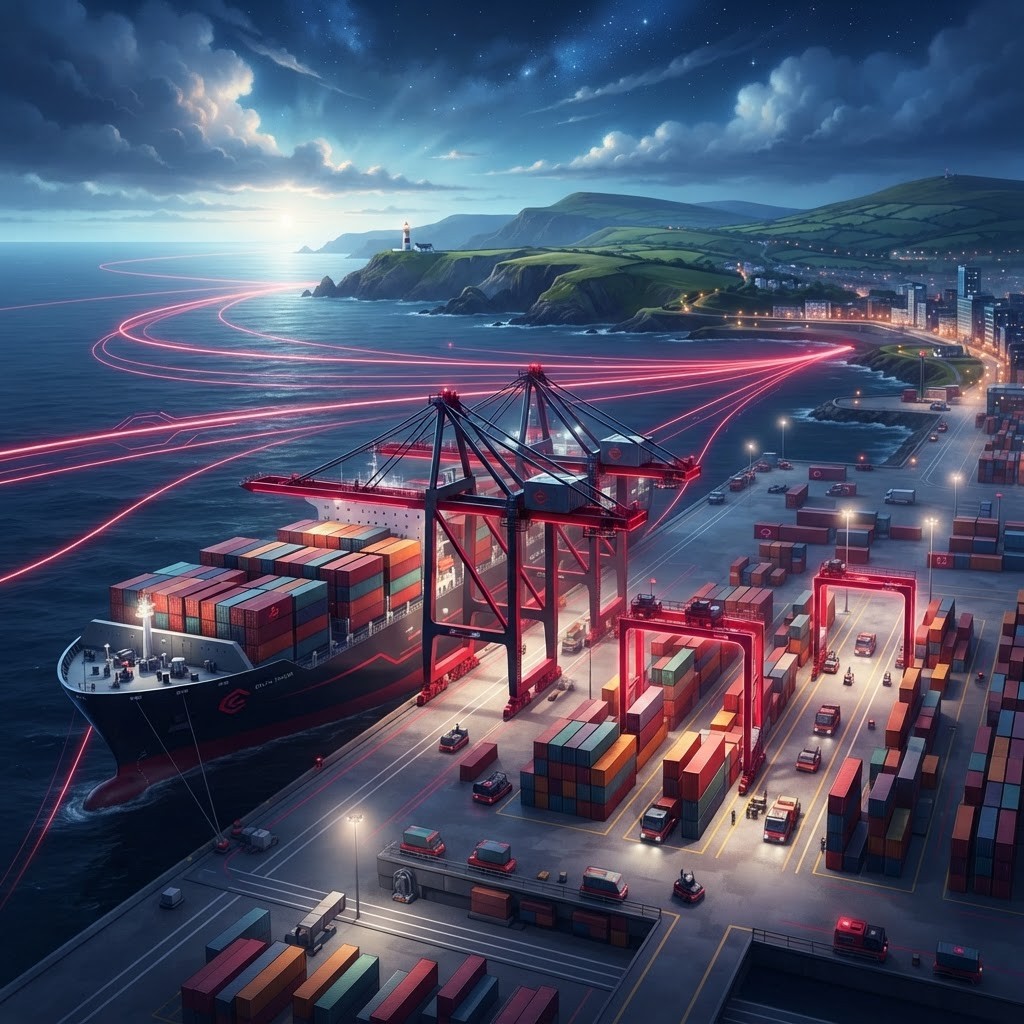
As an island on the western edge of Europe, Ireland relies profoundly on shipping. The vast majority of the country's imports and exports travel by sea, from raw materials and consumer goods to the produce of its thriving pharmaceutical, food, and manufacturing industries. Ferries carry passengers, cars, and freight across the Irish Sea and beyond, while container ships link Irish ports to the wider world. Without a robust shipping industry, the flow of goods that sustains everyday life and economic prosperity would grind to a halt.
Ireland's key ports, including Dublin, Cork, Rosslare, and Waterford, serve as gateways for trade and travel. A range of shipping companies operate through these hubs, offering ferry, container, roll-on roll-off, and specialised cargo services. Understanding the leaders in this field reveals how the island stays connected to Europe and the globe.
What Makes a Strong Shipping Company
Reliability is fundamental in shipping, where schedules and connections must be dependable. A strong network of routes and port connections enables efficient movement of goods and passengers. Modern, well-maintained vessels ensure safety and capacity, while expertise in customs and cargo handling supports smooth international trade. Increasingly, environmental responsibility and investment in cleaner shipping practices distinguish forward-thinking operators.
The Top 10 Shipping Companies in Ireland
Irish Ferries is one of the best-known names in Irish shipping, operating passenger and freight ferry services across the Irish Sea and to France. Its modern fleet and extensive routes make it a leader in both travel and cargo transport.
Stena Line is a major ferry operator connecting Ireland with Britain, carrying passengers, vehicles, and freight on key routes. Renowned for reliability and comfort, it plays a central role in cross-sea travel and trade.
Maersk, the global container shipping giant, serves Irish ports with extensive international connections, enabling businesses to ship goods worldwide through one of the largest shipping networks on the planet.
CLdN operates significant roll-on roll-off freight services linking Ireland directly with continental Europe, an increasingly important connection for Irish trade.
MSC (Mediterranean Shipping Company) provides container shipping services to and from Ireland, offering global reach and substantial capacity for importers and exporters.
Brittany Ferries connects Ireland with France and Spain, offering passenger and freight services that provide valuable direct links to mainland Europe.
P&O Ferries serves routes connecting Ireland and Britain, carrying freight and passengers with a long-established reputation in the sector.
Eucon specialises in container shipping between Ireland and continental Europe, valued for its efficient short-sea services and strong European network.
Seatruck Ferries focuses on freight ferry services across the Irish Sea, providing dependable roll-on roll-off transport for hauliers and businesses.
Samskip offers multimodal shipping and logistics services connecting Ireland with Europe, combining sea transport with integrated logistics solutions.
Types of Shipping Services
Ireland's shipping industry offers several distinct service types. Ferry services carry passengers, cars, and freight, providing essential links to Britain and continental Europe. Container shipping handles the bulk of international trade, moving goods in standardised containers to and from global markets. Roll-on roll-off services allow trucks and trailers to be driven directly on and off vessels, streamlining freight movement. Specialised shipping caters to particular cargoes, such as bulk goods, refrigerated products, and oversized items.
Trends Shaping the Shipping Sector
The Irish shipping industry has experienced notable change in recent years. Direct routes to continental Europe have grown in importance, with increased sailings connecting Irish ports to France, Belgium, the Netherlands, and Spain. This shift reflects evolving trade patterns and the desire for efficient links to mainland markets. Sustainability is a growing focus, with operators investing in cleaner fuels, more efficient vessels, and greener port operations. Digitalisation is improving efficiency through better tracking, scheduling, and documentation, while port infrastructure continues to be upgraded to handle rising volumes.
Choosing the Right Shipping Partner
Businesses selecting a shipping company should consider their specific trade routes and cargo needs. Those trading with Britain may prioritise frequent Irish Sea ferry services, while businesses focused on continental Europe benefit from direct routes and roll-on roll-off options. Companies shipping internationally require partners with strong global container networks. Reliability, capacity, customs expertise, and competitive pricing all play a role in the decision, as does a commitment to safety and sustainability.
Conclusion
Shipping companies are the lifeline of Ireland's island economy, moving the goods and passengers that keep the country connected and prosperous. The leading operators combine reliable services, extensive networks, and modern vessels to meet the demands of trade and travel. As routes to Europe expand and sustainability becomes ever more central, these companies continue to adapt, ensuring that Ireland remains firmly linked to Britain, Europe, and the wider world across the seas.
