
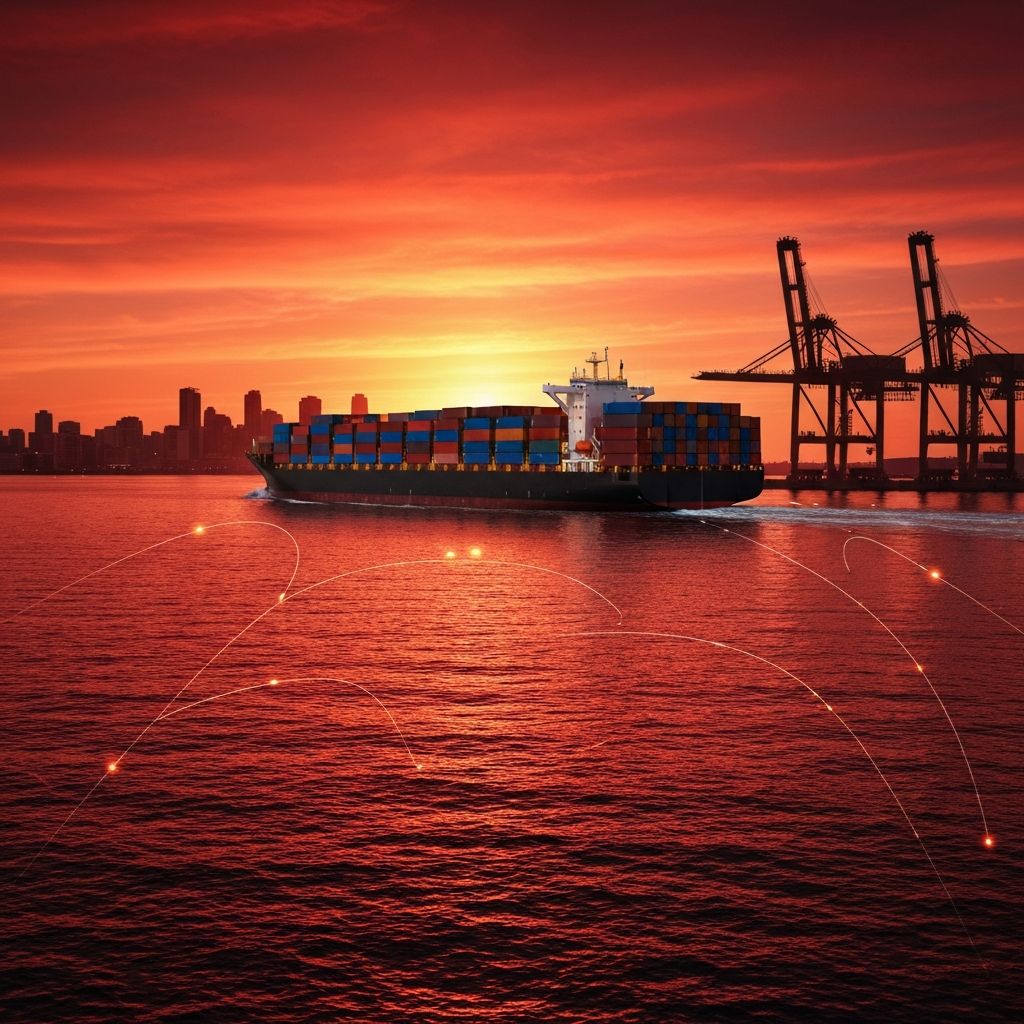
Brazil's Strategic Position in Global Shipping
With more than 7,500 kilometers of coastline and a major presence in global commodity exports, Brazil is one of the most important maritime nations in the Southern Hemisphere. Shipping companies play a fundamental role in moving iron ore, soybeans, sugar, fuels, manufactured goods, and consumer products. The country also has a robust cabotage market, with vessels transporting cargo between domestic ports along the coast. Major hubs include Santos, Paranagua, Itajai, Suape, and Vitoria, all served by leading global and national shipping operators.
Why Shipping Is Vital for Brazil
Maritime transport is essential for international trade, especially for bulk commodities and containerized goods. Brazil's economic relationship with Asia, Europe, North America, and other Latin American countries depends on a stable, efficient, and competitive shipping ecosystem. Cabotage, in particular, is gaining momentum as a sustainable and cost-effective alternative to long-distance trucking.
1. Maersk
Maersk is one of the most prominent container shipping companies operating in Brazilian ports. It provides extensive global routes, modern vessels, and integrated logistics services covering ocean, inland, and customs operations.
2. MSC Mediterranean Shipping Company
MSC is a global container shipping leader with strong operations in Brazil. The company serves major ports with frequent calls, supporting both exporters and importers across multiple industries.
3. Hapag-Lloyd
Hapag-Lloyd offers a robust container service network connecting Brazil to Europe, North America, Asia, and Latin America. The company is known for reliability and modern fleet capabilities.
4. CMA CGM
CMA CGM has a strong presence in Brazilian ports and offers integrated logistics services beyond ocean shipping. Its network supports both global and regional trade flows.
5. Hamburg Sud
Hamburg Sud, part of the Maersk family, has historically had a strong Brazilian presence, particularly in reefer and refrigerated cargo. It supports key agricultural exports such as meats and fruits.
6. Log-In Logistica Intermodal
Log-In is a leading Brazilian cabotage operator specializing in container shipping between domestic ports. The company supports a wide range of industries through efficient and sustainable coastal transport.
7. Aliancanavegacao
Alianca, also linked to Maersk, focuses on cabotage and short-sea shipping along the Brazilian coast. Its services are widely used by industries seeking to shift cargo from road to sea.
8. Norsul
Norsul is one of the oldest shipping companies in Brazil, with strong expertise in bulk and project cargo. It operates vessels carrying minerals, grains, fertilizers, and steel products.
9. Mercosul Line
Mercosul Line operates cabotage container services, connecting Brazilian ports through reliable scheduled voyages. The company is known for serving manufacturers and retailers in multiple regions.
10. Wilson Sons
Wilson Sons offers maritime services that include port operations, tug services, and offshore logistics support. While not a deep-sea container operator, its role in port and maritime logistics is essential to Brazil's shipping ecosystem.
Containerization and Trade Flows
Container shipping continues to dominate Brazil's international trade, supported by major lines that connect the country to global supply chains. Ports like Santos and Paranagua have expanded their capacity to handle larger vessels, while terminals invest in cranes, gates, and digital systems to reduce dwell times and improve efficiency.
Cabotage Growth
Brazilian cabotage is experiencing notable growth thanks to legislation that encourages domestic shipping. Moving cargo by sea between Brazilian ports reduces highway congestion, lowers emissions, and offers cost-effective alternatives for long-distance flows. Many manufacturers are integrating cabotage into their distribution strategies.
Sustainability at Sea
Shipping companies are investing in low-sulfur fuels, energy-efficient vessels, and digital systems that optimize routes. Some are exploring alternative fuels such as LNG and methanol, while others focus on slow steaming and modern hull designs to reduce environmental impact.
Choosing the Right Shipping Partner
Brazilian exporters and importers should evaluate carriers based on route coverage, transit times, reliability, customer service, and digital capabilities. Specialized cargo like reefer, project cargo, or hazardous materials require partners with proven expertise. Long-term partnerships often lead to better rates and more stable supply chains.
Conclusion
Brazil's shipping industry is a strategic pillar of the country's global trade and domestic distribution. The companies featured above represent the most influential operators serving Brazilian ports and trade lanes. As the industry evolves with new technologies, sustainability priorities, and infrastructure investments, these shipping leaders continue to play a fundamental role in connecting Brazil to the world.
