
Why Seed Choice Matters in Fort Worth
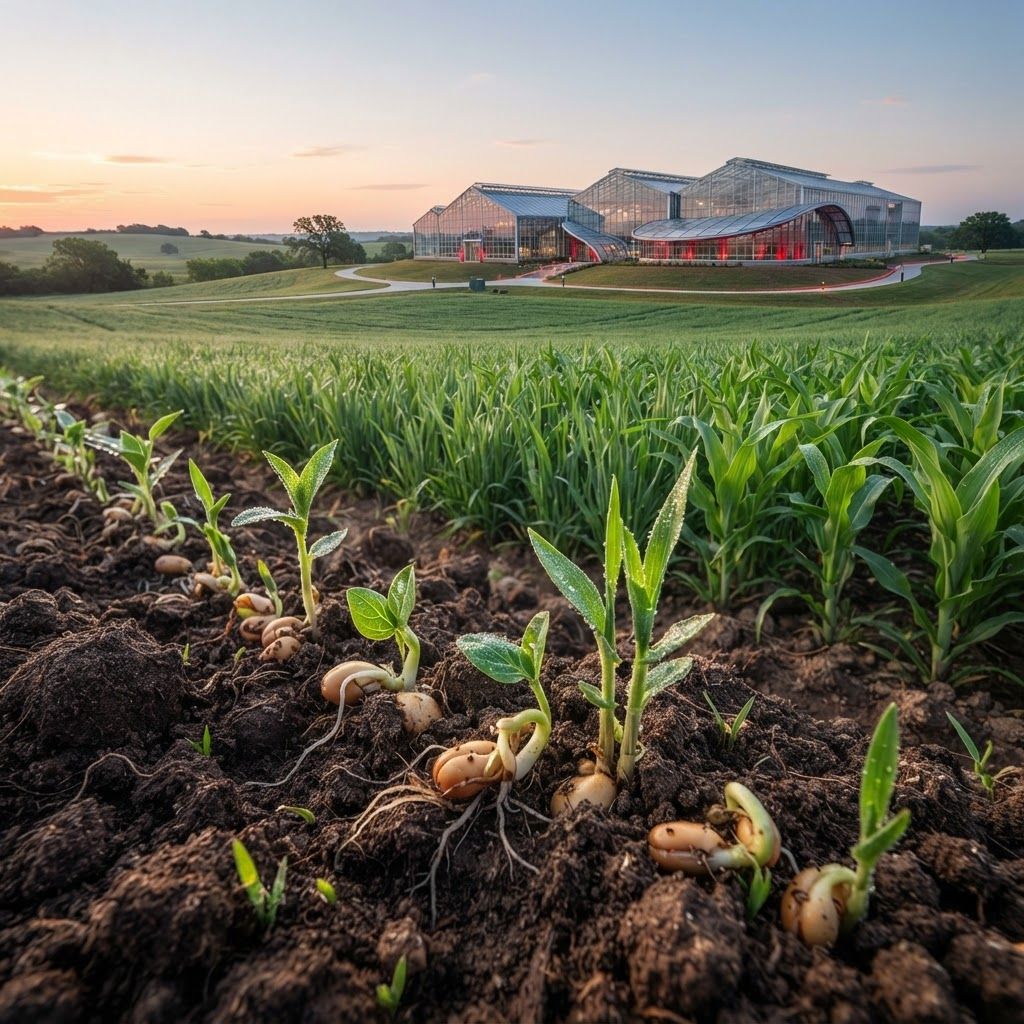
Seed is a small input with an outsized effect on yield, water use, forage quality, and long-term stand performance. North Texas growers must plan for extreme summer heat, occasional hard freezes, inconsistent rainfall, and soils ranging from clay to sand. The right company should provide adapted genetics, accurate labels, reliable germination, and knowledgeable recommendations. These ten suppliers cover commercial crops, pasture, turf, native restoration, and garden production relevant to the Fort Worth region.
1. Justin Seed Company
Justin Seed Company is a North Texas supplier with strong regional recognition in forage, pasture, cover crops, turf, wildlife, and native seed. Its proximity to Fort Worth supports advice grounded in local conditions. Ranchers and landowners can source mixtures for grazing, erosion control, habitat, and property improvement. The company’s broad catalog and regional experience make it a practical first stop for projects where adaptation matters more than national brand recognition.
2. Turner Seed
Turner Seed is a Texas company offering native grasses, wildflowers, forage, cover crops, and wildlife blends. Its native and restoration selections are useful for Fort Worth-area landowners managing roadsides, ranchland, disturbed soil, or conservation acreage. Successful native establishment requires careful site preparation and patience, so technical guidance is valuable. Turner’s Texas orientation helps buyers select species suited to rainfall zones and intended land use.
3. Douglass King Seeds
Douglass King Seeds has a long history serving Texas with native, forage, reclamation, turf, and wildlife seed. The company is particularly relevant to large-acreage and specialized land projects where mixture design affects cost and success. Fort Worth customers can consider its products for pasture renovation, right-of-way stabilization, habitat, or urban-edge restoration. Its technical depth is a differentiator for buyers who need more than a generic bagged blend.
4. Sharp Brothers Seed Company
Sharp Brothers Seed Company specializes in native grasses, forage, conservation, and reclamation seed. Its products suit landowners focused on durable stands and ecological function. In North Texas, native grasses can improve resilience and habitat when matched correctly to soil and management. The company’s long experience with Great Plains environments makes it valuable for projects that prioritize adaptation, erosion control, and reduced long-term inputs.
5. Native American Seed
Native American Seed focuses on native Texas grasses and wildflowers for ecological restoration and sustainable landscapes. Fort Worth homeowners, designers, schools, and landowners can use its regionally appropriate species to create habitat and reduce dependence on intensive ornamental landscapes. Native planting is not maintenance-free, but it can be highly resilient after establishment. The company stands out for conservation-focused selections and education around establishing diverse native communities.
6. Pennington Seed
Pennington provides grass, forage, wildlife, and lawn seed through widely accessible retail and agricultural channels. Its range is useful for smaller Fort Worth properties and buyers who need convenient package sizes. The brand offers products for pasture improvement, food plots, and residential turf. Buyers should still read labels closely, comparing named varieties, germination percentages, coating weight, and weed-seed content rather than relying only on front-of-bag claims.
7. Dyna-Gro Seed
Dyna-Gro supplies commercial crop and forage genetics through agricultural retailers. Its portfolio includes options relevant to sorghum, corn, cotton, soybeans, and other production systems. North Texas farmers value hybrids that balance yield potential with stress tolerance and appropriate maturity. Local performance data is essential, and growers should compare replicated trials across multiple seasons rather than choose from a single exceptional result.
8. Pioneer
Pioneer is a major seed brand with extensive research in corn, sorghum, soybeans, cotton, canola, and forage products. Its large testing network and agronomic support can help commercial growers evaluate genetics at a detailed level. In the Fort Worth region, heat and moisture stress make standability, maturity, disease package, and drought response important. Pioneer’s strength lies in research scale and a well-developed local representative network.
9. DEKALB
DEKALB is widely recognized for corn and sorghum genetics and is distributed through agricultural dealers. North Texas producers can compare hybrids designed for different yield environments, planting populations, and stress profiles. Seed treatment and trait packages should be selected according to actual pest pressure and stewardship requirements. The brand’s research investment is significant, but local trial performance and field placement remain central to success.
10. NexGen
NexGen is known particularly for cotton seed and trait options serving growers across the Cotton Belt. While Fort Worth itself is urban, the wider North Texas agricultural market connects to cotton-producing areas and input dealers. Variety selection must consider maturity, storm tolerance, disease resistance, fiber quality, and herbicide system. NexGen provides another competitive genetics source for producers who make decisions using regional performance evidence.
How to Compare Seed Fairly
Check the seed tag for pure seed, germination, inert matter, weed seed, lot number, and test date. Coated seed may improve handling but changes how much actual seed is in a bag, so compare pure live seed rather than package weight alone. Commercial growers should evaluate multi-location trials, while pasture owners should define grazing pressure and soil fertility before choosing a mix. Ask whether inoculant, scarification, or special planting depth is required.
Seed Trends Across North Texas
Drought tolerance, water-efficient turf, soil-building cover crops, native habitat, and pollinator mixtures are gaining attention. Producers are also using more precise variable-rate planting and stronger digital records to connect seed placement with outcomes. No genetics can compensate for poor establishment, so soil testing, weed control, calibration, and timing remain essential. The best seed company for a Fort Worth project is one that provides clean, adapted seed and candid advice about what the site can realistically support.
