
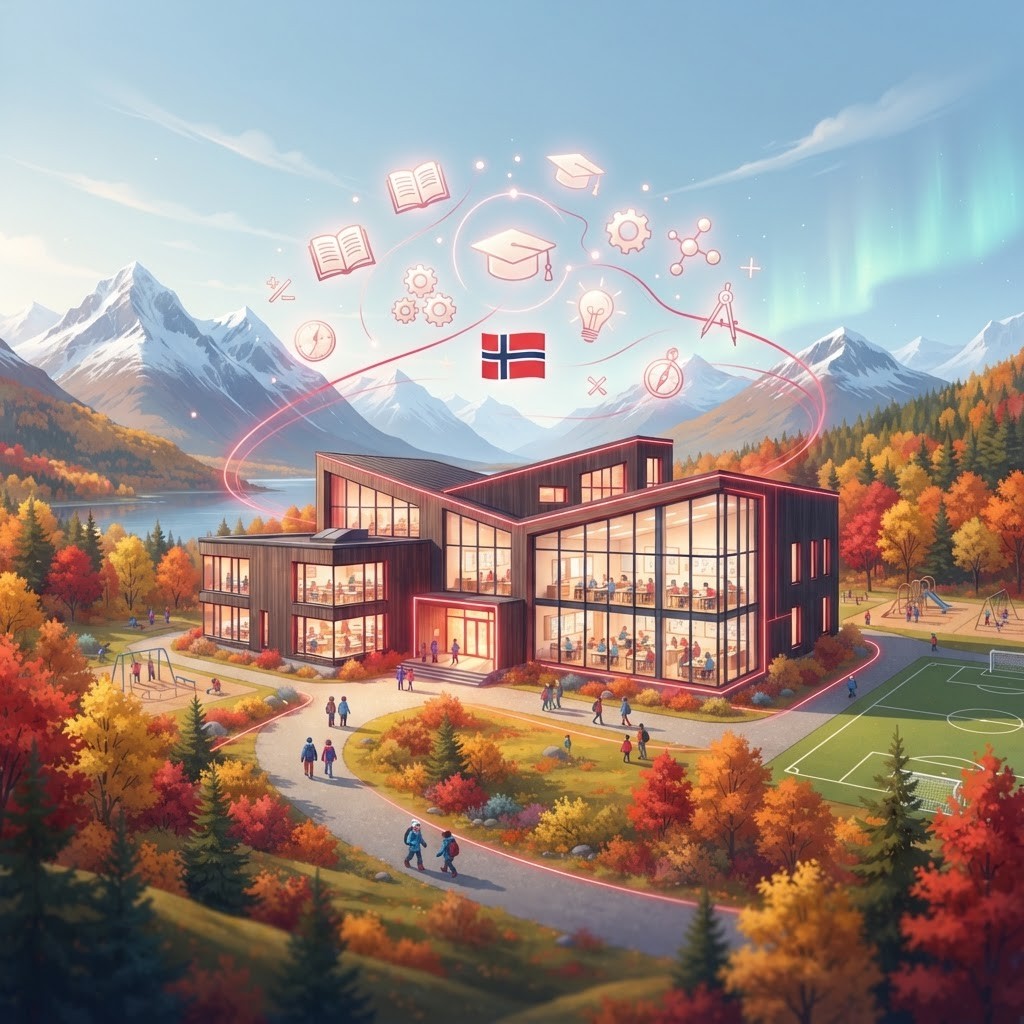
Education Excellence in Norway
Norway is celebrated worldwide for its high-quality, equitable education system. Schooling is free, inclusive, and designed to nurture not only academic achievement but also creativity, critical thinking, and social wellbeing. The Norwegian philosophy emphasises equal opportunity, cooperative learning, and a strong connection between education and everyday life. For families relocating to Norway or seeking the best options for their children, understanding the school landscape is essential.
Alongside excellent public schools, Norway hosts a range of international and specialised institutions that cater to expatriate families and students with particular interests. The following ten schools are recognised for their academic standards, supportive environments, and holistic approach to education.
Leading International Schools
Oslo International School is one of the country's most established international institutions, offering the International Baccalaureate curriculum in English. It is popular with expatriate families and known for its diverse community and strong academic results.
Asker International School provides an English-language education based on the International Baccalaureate, valued for its welcoming atmosphere and focus on developing well-rounded, globally minded students.
British International School of Stavanger serves the international community in the energy capital, delivering a British-style curriculum and strong pastoral care for a mobile student population.
International School of Stavanger is a long-standing institution offering education from early years through high school, respected for its rigorous academics and vibrant extracurricular programme.
Trondheim International School offers the International Baccalaureate Primary and Middle Years programmes, supporting families connected to the city's universities and research institutions.
Respected Public and Specialised Schools
Nordahl Grieg Videregående Skole in Bergen is known for its modern approach to teaching, strong use of technology, and emphasis on student engagement and future skills.
Elvebakken Videregående Skole in Oslo is a highly regarded upper-secondary school offering both academic and media-focused programmes, attracting motivated students from across the region.
Kongsbakken Videregående Skole in Tromsø provides quality education in the far north, combining strong academics with a supportive community atmosphere.
Montessori and Alternative Education
Oslo Montessori schools offer child-centred learning that encourages independence, curiosity, and hands-on exploration, appealing to families seeking an alternative pedagogical approach.
Steiner (Waldorf) schools across Norway emphasise creativity, arts, and holistic development, providing a distinctive educational philosophy that has a dedicated following among Norwegian families.
What Makes Norwegian Schools Special
Norwegian schools are built on principles of equality and inclusion. Class sizes are manageable, and teachers are highly trained professionals who focus on each student's development. Rather than emphasising competition and constant testing, especially in the early years, schools prioritise a supportive environment where children can learn at their own pace. Outdoor learning is deeply embedded in Norwegian culture, and pupils regularly spend time in nature, reflecting the national love of the outdoors.
Student wellbeing is a central concern. Schools foster social skills, cooperation, and mental health awareness, helping children grow into confident, balanced individuals. Bullying-prevention programmes and strong support systems ensure that every student feels safe and valued. This holistic approach is a key reason Norwegian education is admired internationally.
Choosing the Right School
Selecting a school in Norway depends on family circumstances and priorities. Local families typically enrol children in nearby public schools, which offer excellent free education and integration into the community. International families, particularly those staying for a limited period or preferring English-language instruction, often choose international schools that follow globally recognised curricula and ease transitions between countries.
Factors to consider include curriculum, language of instruction, location, extracurricular offerings, and the school's approach to learning. Visiting schools, meeting teachers, and speaking with other families can provide valuable insight. For students with particular talents or interests, specialised programmes in fields such as media, sports, or the arts may offer the best fit.
Support for International Families
Norway's international schools are experienced in welcoming children from around the world. They provide structured support for newcomers, help with language development, and create inclusive communities where students quickly feel at home. Many also assist families with the practicalities of settling in, making the transition to life in Norway smoother for both children and parents.
Conclusion
Norway's schools embody a thoughtful balance of academic excellence, inclusivity, and student wellbeing. The ten institutions highlighted here range from prestigious international schools and forward-thinking public upper-secondary schools to alternative Montessori and Steiner options. Whether a family seeks an English-language education, a strong local community school, or a distinctive pedagogical approach, Norway offers outstanding choices. By considering curriculum, location, and educational philosophy, parents can find a school that helps their children thrive academically and personally.
