
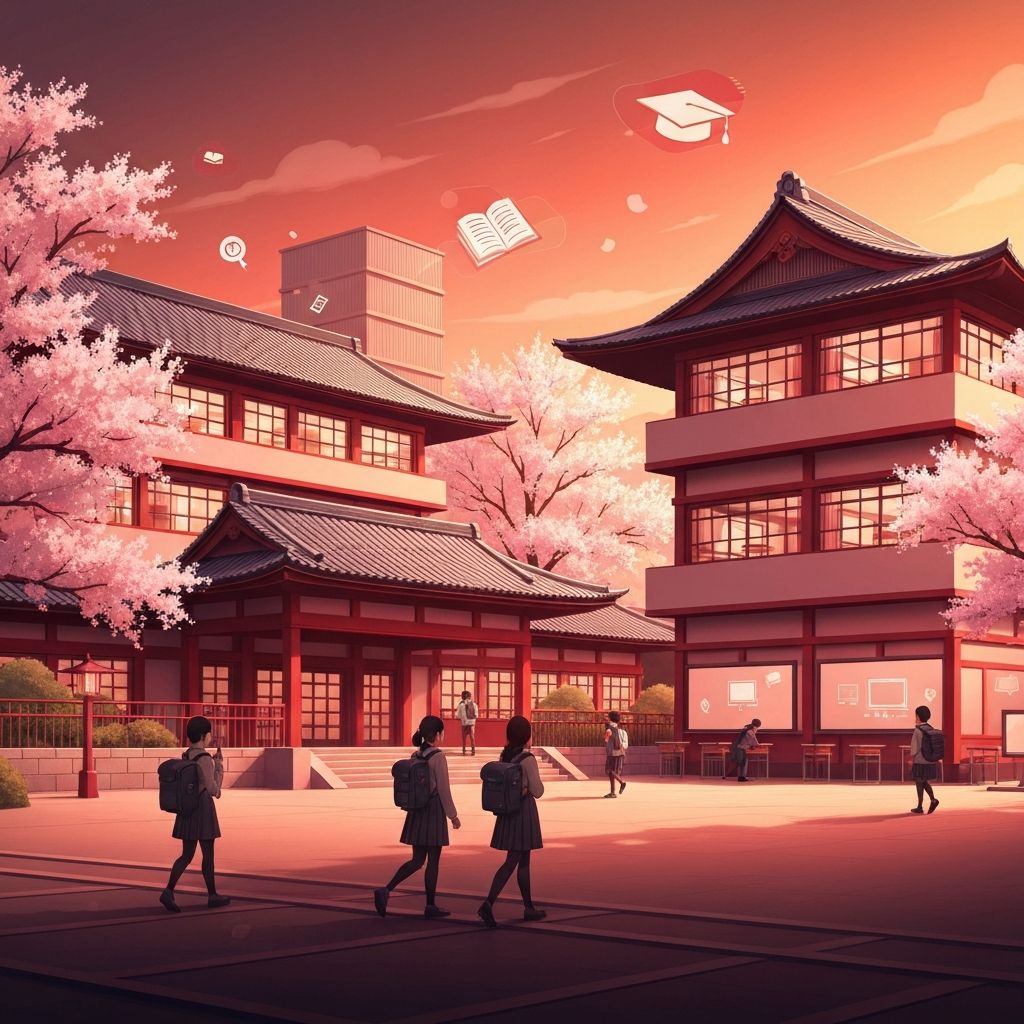
Introduction to Japan's School System
Japan is widely admired for its world-class education system that consistently produces students with strong academic foundations, discipline, and global competitiveness. Schools in Japan, whether public, private, or international, emphasize a balanced approach that nurtures intellectual curiosity, moral character, and social responsibility. With high literacy rates, rigorous curricula, and a focus on extracurricular development, Japanese schools have earned an outstanding reputation among parents and educators worldwide.
1. Keio Yochisha Elementary School
Affiliated with the prestigious Keio University, Keio Yochisha is one of the most respected elementary schools in Tokyo. It offers a comprehensive curriculum, smooth progression into Keio's secondary and higher education institutions, and a tradition of academic and character excellence dating back to the 19th century.
2. The American School in Japan (ASIJ)
Located in Chofu, Tokyo, ASIJ is one of the most renowned international schools in Asia. Offering an American curriculum from preschool through grade 12, ASIJ is known for its outstanding faculty, modern facilities, advanced placement programs, and strong university placement record at top global institutions.
3. Nada Junior and Senior High School
Located in Kobe, Nada is widely regarded as one of the best schools in Japan for university preparation, especially for students aiming to enter the University of Tokyo and Kyoto University. The school is celebrated for its rigorous academics, strong faculty, and disciplined learning environment.
4. Kaisei Academy
Kaisei is a private boys' school in Tokyo with a long-standing reputation for sending the highest number of students to the University of Tokyo each year. Its curriculum emphasizes mathematics, sciences, and humanities, along with a culture of intellectual discipline and leadership development.
5. Azabu Junior and Senior High School
Azabu is another elite boys' school in Tokyo, known for its liberal academic atmosphere and creative learning approach. Students enjoy considerable academic freedom, and the school has produced many notable alumni in politics, business, science, and the arts.
6. St. Mary's International School
An all-boys Catholic international school in Tokyo, St. Mary's offers International Baccalaureate (IB) and AP programs and is recognized for academic rigor, character formation, and strong community values. Its graduates regularly enroll in elite universities across the United States, Europe, and Japan.
7. Seisen International School
Seisen is a leading international school for girls in Tokyo offering the IB program from primary through diploma level. Known for its multicultural environment, holistic education, and emphasis on global citizenship, Seisen prepares students for top universities worldwide.
8. Tokyo Gakugei University Senior High School
This national public school, affiliated with Tokyo Gakugei University, is considered one of the best public high schools in Japan. It is highly selective, offers a strong academic curriculum, and consistently sends students to top national universities.
9. Eiko Gakuen
Located in Kamakura, Eiko Gakuen is a private Jesuit boys' school known for its excellent academic standards, strong moral education, and impressive university placement record. It blends traditional Japanese values with a Christian educational philosophy.
10. Yokohama International School (YIS)
Founded in 1924, YIS is one of the oldest international schools in Asia. It offers the IB program in a multicultural environment with students from over 40 nationalities. The school is highly regarded for its inclusive community, innovative teaching methods, and global outlook.
What Makes Japanese Schools Stand Out
Japanese schools combine rigorous academic standards with an emphasis on respect, responsibility, and community spirit. From students cleaning classrooms to active participation in club activities, the system teaches life skills alongside textbook knowledge. International schools in Japan add another dimension, offering globally recognized curricula like IB, IGCSE, and AP, often paired with bilingual or multilingual learning environments.
Choosing the Right School in Japan
Families considering schools in Japan should evaluate factors such as curriculum (national vs. international), location, language of instruction, extracurricular activities, university outcomes, and overall school culture. With options ranging from traditional Japanese institutions to globally accredited international schools, Japan offers a remarkable diversity of high-quality educational pathways.
Conclusion
Japan's top schools represent the very best in education, blending discipline, innovation, and personal development. Whether you choose a long-established private academy, a competitive public high school, or a globally accredited international school, the educational experience in Japan stands out as one of the finest in the world.
