
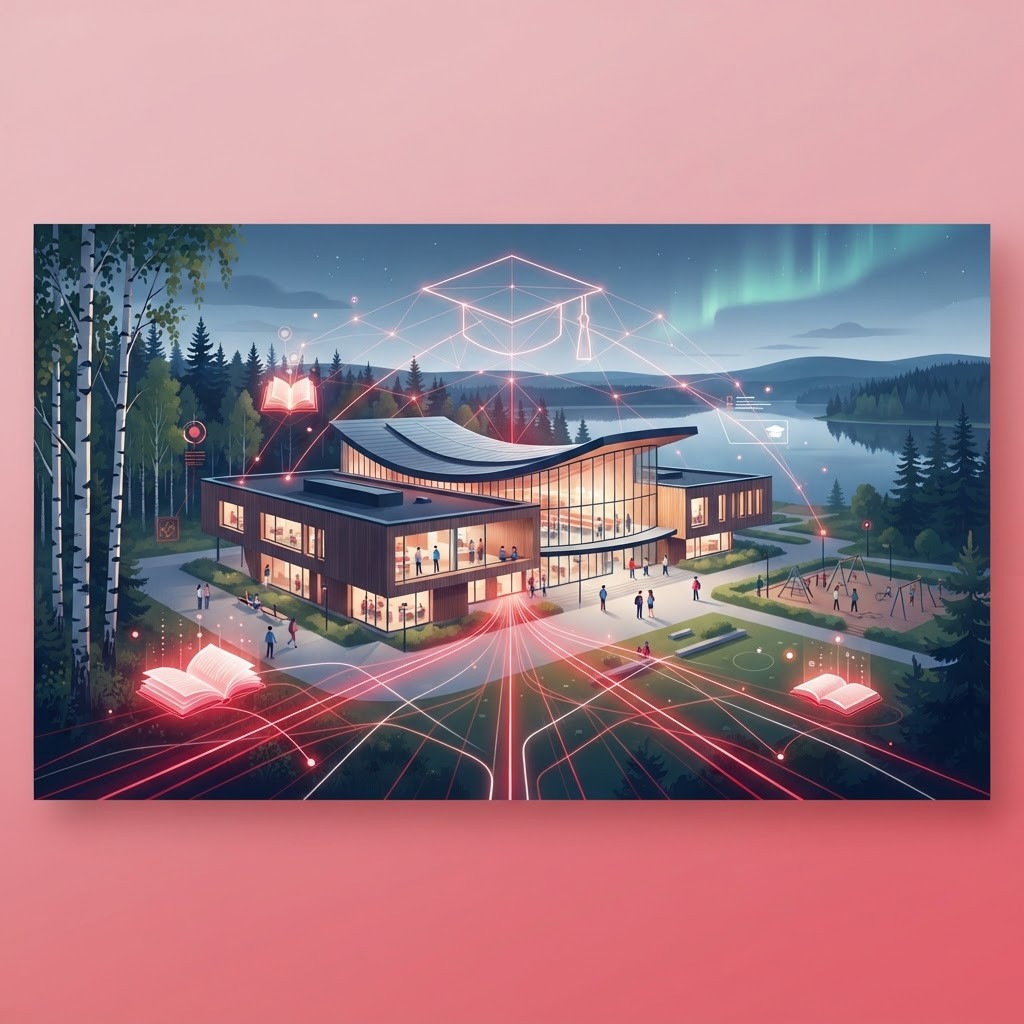
Why Finnish Education Is World-Renowned
Finland's education system is consistently celebrated as one of the finest in the world, admired for its emphasis on equity, wellbeing, and holistic learning. Rather than focusing on high-stakes testing and competition, Finnish schools prioritize curiosity, creativity, and the development of the whole child. Highly trained teachers, generous support systems, and a culture of trust combine to create an environment where students thrive.
A defining feature of Finnish education is its commitment to equality. Every child, regardless of background or location, has access to high-quality schooling free of charge. This dedication to fairness, along with a relaxed yet effective learning atmosphere, has produced strong academic outcomes and exceptional student satisfaction, drawing educators from around the globe to study the Finnish model.
What Makes Finnish Schools Exceptional
Finnish schools are known for their student-centered approach, with an emphasis on learning through play in early years and increasing autonomy as students grow. Shorter school days, minimal homework, and ample breaks reflect a belief that rest and balance support better learning. Teachers, who typically hold advanced degrees, enjoy significant professional respect and freedom to design their lessons.
Wellbeing is central to the Finnish approach. Schools provide free meals, health services, and counseling, ensuring that students' physical and emotional needs are met. Small class sizes and strong support for those who need extra help further reinforce a system designed to nurture every learner.
Leading Schools and Institutions in Finland
Ressu Comprehensive School (Helsinki) is renowned for its International Baccalaureate programs and innovative teaching, attracting a diverse student body in the capital.
SYK (Helsingin Suomalainen Yhteiskoulu) is a respected private school with a long tradition of academic excellence and modern pedagogy.
Etelä-Tapiolan lukio (Espoo) is a highly regarded upper secondary school known for strong results and a supportive learning environment.
Tapiolan koulu (Espoo) is celebrated for its music education and comprehensive academic offerings.
Helsingin normaalilyseo serves as a teacher-training school affiliated with the university, combining education with the development of future teachers.
Viikin normaalikoulu (Helsinki) is another prominent training school, recognized for innovative practices and research-based teaching.
Kulosaaren yhteiskoulu (Helsinki) offers strong international programs and a welcoming atmosphere for local and international families.
Turun normaalikoulu (Turku) combines high academic standards with teacher education in one of Finland's historic cities.
Tampereen normaalikoulu (Tampere) is known for its progressive approach and strong community focus.
Oulun normaalikoulu (Oulu) serves the northern region with quality education and teacher training, reflecting Finland's nationwide commitment to excellence.
Trends in Finnish Education
Phenomenon-based learning, which encourages students to explore real-world topics across subjects, continues to shape Finnish classrooms. This approach fosters critical thinking, collaboration, and the ability to apply knowledge in meaningful contexts, preparing students for a rapidly changing world.
Technology and digital skills are increasingly integrated into learning, balanced carefully with the country's emphasis on wellbeing and human connection. Sustainability education and social-emotional learning also feature prominently, reflecting Finland's broader values of responsibility and care.
The Enduring Appeal of Finnish Schools
Finland's schools demonstrate that education can be both effective and humane, achieving strong results while prioritizing student happiness and equality. The institutions profiled here embody these principles, offering nurturing environments where children develop academically, socially, and personally. For families and educators alike, the Finnish model remains an inspiring example of what schooling can achieve when built on trust, equity, and a genuine focus on the wellbeing of every learner.
The Central Role of Teachers
At the heart of Finland's educational success lies deep respect for the teaching profession. Teachers in Finland are highly qualified, typically holding master's degrees, and undergo rigorous, research-based training. They are trusted as professionals to design lessons, assess students, and adapt their methods to the needs of each class, free from excessive standardized testing and top-down control. This autonomy, combined with strong societal esteem, attracts talented individuals to the profession and keeps them motivated throughout their careers. The quality and dedication of teachers is widely regarded as the single most important factor behind the strength of Finnish schools.
Preparing Students for a Changing World
Finnish education looks beyond academic knowledge to prepare young people for life in a complex, rapidly evolving world. Emphasis on critical thinking, collaboration, creativity, and problem-solving equips students to adapt to new challenges and technologies. Lessons in sustainability, digital literacy, and social-emotional skills help learners become responsible, well-rounded citizens. By nurturing curiosity and a genuine love of learning rather than focusing narrowly on grades, Finnish schools foster resilience and adaptability. This holistic approach ensures that graduates leave not only with strong academic foundations but also with the confidence and character to thrive in their personal and professional lives.
The enduring lesson of Finnish education is that success and wellbeing are not opposing goals but partners that reinforce one another. By trusting teachers, valuing equity, and placing the needs of learners at the center, Finland has built a system that inspires admiration far beyond its borders. The schools highlighted here continue to carry this tradition forward, offering environments where every child is given the support, freedom, and encouragement to reach their full potential.
