
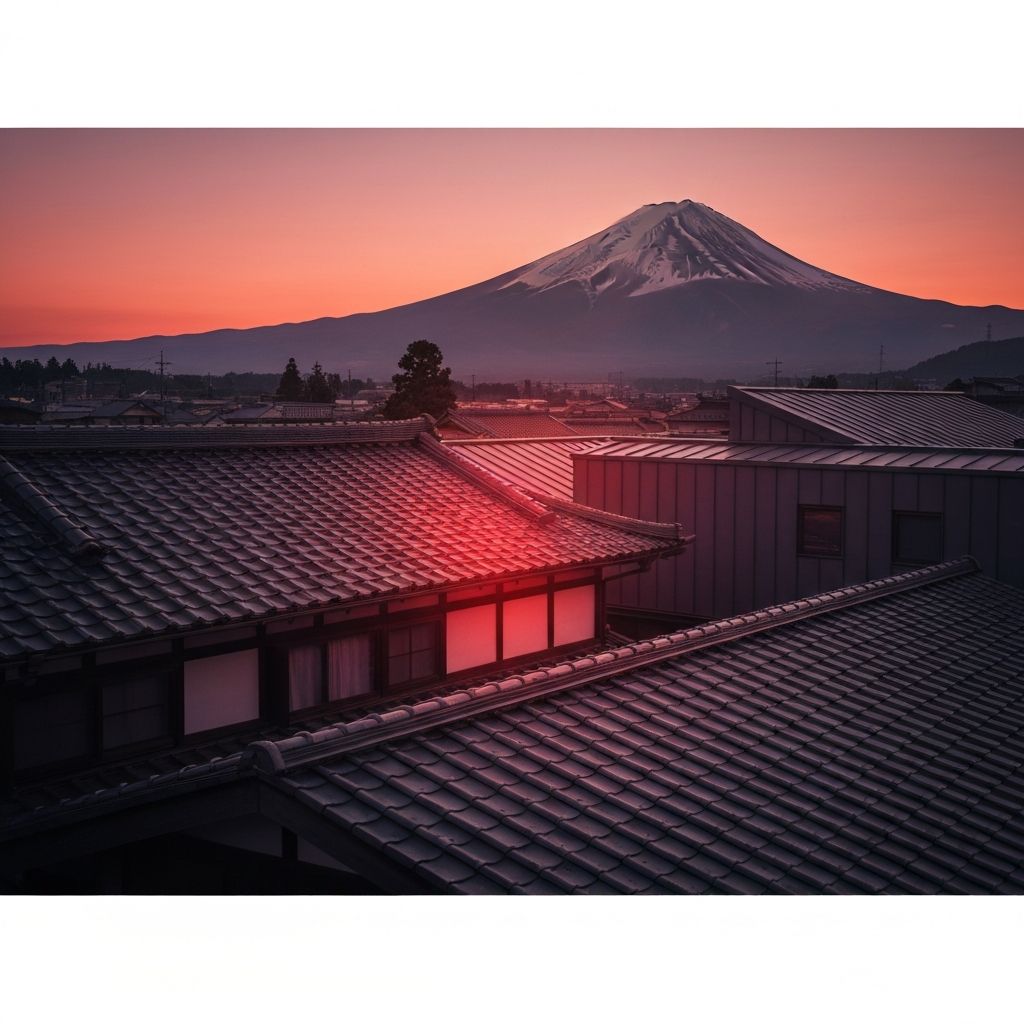
Japan's Roofing Industry: A Blend of Tradition and Innovation
Japan's roofing industry is a fascinating combination of centuries-old craftsmanship and modern engineering. From traditional kawara tile roofs that have graced temples and homes for generations to cutting-edge metal and solar-integrated systems, roofing companies in Japan must master a wide range of materials and techniques. The country's unique climate, featuring typhoons, heavy snowfall in northern regions, intense summer heat, and seismic activity, demands exceptional quality and resilience from every roofing project.
Homeowners and commercial property managers in Japan increasingly look for roofing partners who can deliver not only aesthetic appeal but also long-term durability and energy efficiency. The best providers combine deep technical knowledge with respect for traditional design, offering clients peace of mind backed by decades of expertise.
1. Tsuruya Roofing
Tsuruya Roofing has built a strong reputation for its expertise in both traditional Japanese tile work and modern roofing systems. The company specializes in seismic-resistant installations and offers comprehensive consultations for heritage properties, blending preservation with structural reinforcement.
2. Yane Yasan
Yane Yasan operates across multiple prefectures and is known for its responsive service and skilled craftsmen. The company offers a wide portfolio that includes ceramic tiles, galvanized steel, and asphalt shingles, along with detailed inspections and long-term maintenance plans.
3. Sankyo Tateyama Roofing
Sankyo Tateyama Roofing focuses on aluminum and metal roofing solutions ideal for coastal and snow-heavy regions. Their lightweight yet durable products have become a popular choice for homeowners seeking energy-efficient alternatives to traditional materials.
4. Tajima Roofing
Tajima Roofing is recognized as one of Japan's pioneers in waterproof membrane systems for flat and low-slope roofs. The company serves commercial, industrial, and residential clients, providing solutions engineered for Japan's monsoon seasons and heavy rainfall.
5. Maruki Roof Works
Maruki Roof Works has gained recognition for its meticulous restoration of historic temple and shrine roofs. Their artisans are trained in traditional techniques, ensuring that every project respects cultural heritage while meeting modern safety standards.
6. Nichiha Roofing Solutions
Nichiha is well known for its fiber cement and composite roofing materials. The company emphasizes fire resistance, sustainability, and ease of installation, making it a favorite among modern home builders and renovation specialists.
7. Sekisui Roofing Systems
Part of a larger industrial group, Sekisui Roofing Systems delivers advanced polymer-based and solar-integrated roofing products. Their innovation centers continually develop materials designed to withstand extreme weather while reducing environmental impact.
8. KMEW Roofing
KMEW is one of Japan's most respected manufacturers and installers of ceramic and metal roofing. The company invests heavily in research and development, producing tiles that combine traditional aesthetics with advanced UV resistance and color retention.
9. Asahi Yane
Asahi Yane specializes in residential roof replacements and emergency repairs after natural disasters. Their rapid response teams have earned the trust of communities affected by typhoons and earthquakes, providing reliable workmanship in critical moments.
10. Toli Roofing Group
Toli Roofing Group offers a comprehensive range of services including inspections, repairs, full replacements, and gutter systems. They are particularly known for their attention to detail and their long-standing client relationships throughout the Kanto and Kansai regions.
Key Trends Shaping Japanese Roofing
Sustainability and energy efficiency are reshaping how roofing services operate in Japan. Solar-integrated roofing, cool-roof coatings that reflect heat, and recyclable metal systems are gaining momentum. Many providers now offer integrated photovoltaic solutions that allow homeowners to generate electricity without sacrificing aesthetics.
Another major trend is the increased focus on disaster resilience. With climate change intensifying typhoons and rainfall, leading roofing companies invest in advanced waterproofing membranes, reinforced anchoring systems, and improved drainage designs. Seismic considerations also play a crucial role, particularly for tile roofs which must be securely fastened to prevent dislodgement during earthquakes.
Choosing the Right Roofing Partner
When selecting a roofing service in Japan, homeowners should consider experience, material expertise, after-sales support, and regional knowledge. A reputable provider will conduct thorough inspections, explain available material options, and provide transparent quotes that account for both immediate work and long-term maintenance. Reviews from previous clients and visible portfolios of completed projects also offer valuable insight into a company's reliability.
The companies listed above represent the depth and diversity of Japan's roofing industry. Whether the goal is restoring a heritage structure, building a modern energy-efficient home, or protecting a commercial property from extreme weather, Japan's top roofing specialists deliver craftsmanship and innovation that stand the test of time.
