
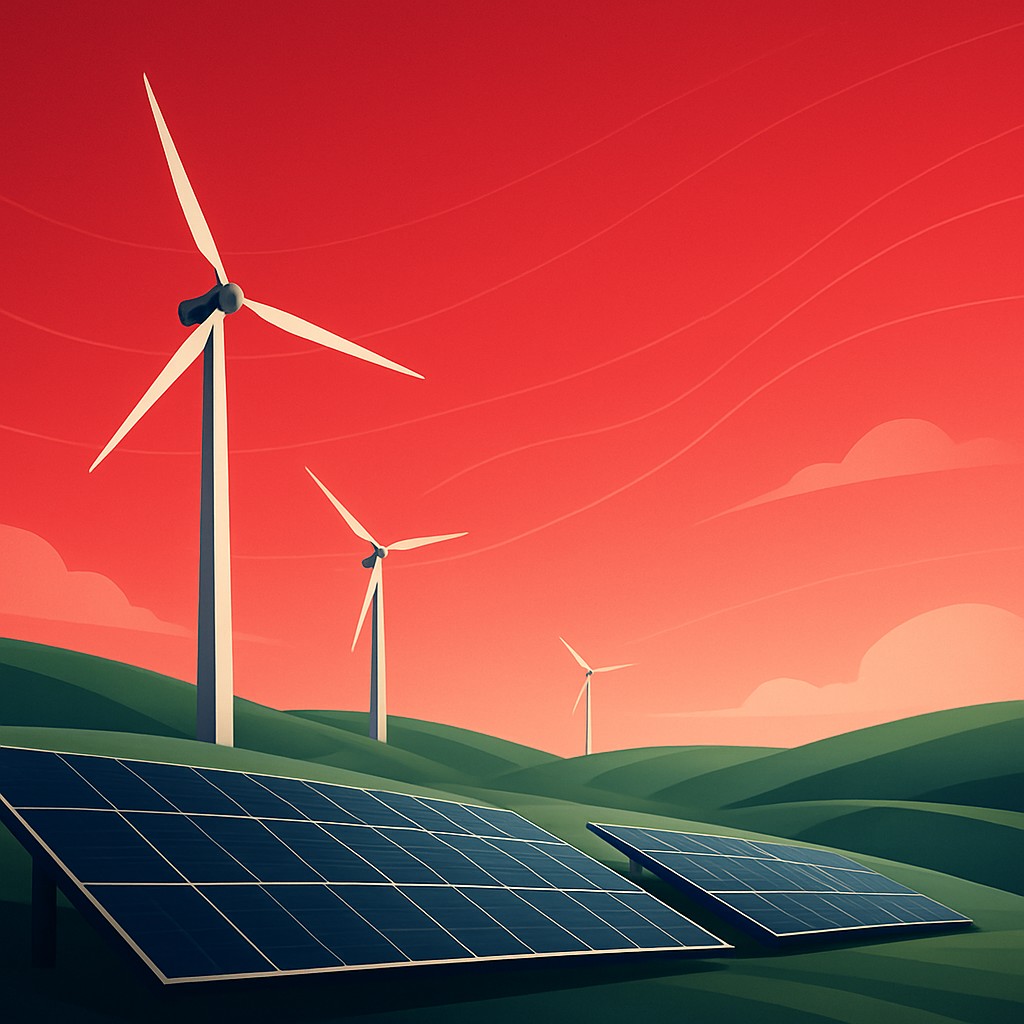
Zimbabwe's Renewable Energy Momentum
Zimbabwe stands at an important crossroads in its energy journey. Years of power generation shortfalls, reliance on aging thermal plants, and the variability of hydropower at Kariba have created an urgent need for diversified, sustainable energy sources. Renewable energy, abundant in a country blessed with strong solar irradiation and favourable wind conditions in certain regions, offers a compelling path forward. A growing number of companies are seizing this opportunity to develop solar, wind, biomass, and hybrid projects across the nation.
Government policy support, including incentives for independent power producers and renewable energy feed-in tariffs, has further encouraged investment. The result is a vibrant and expanding renewable energy sector that is helping to close the energy gap while supporting environmental goals.
Why Renewables Matter for Zimbabwe
The case for renewable energy in Zimbabwe is strong. Solar and wind resources are widely distributed, enabling decentralised generation that can reach rural and underserved communities. Renewables reduce dependence on imported electricity and fossil fuels, improving energy security. They also create jobs, attract foreign investment, and align the country with global climate commitments. For businesses, reliable renewable power means less disruption from load shedding and lower long-term energy costs.
The Top 10 Renewable Energy Companies
Zonful Energy has earned recognition for its work expanding solar access to rural households and small businesses, offering affordable systems and flexible financing.
Distributed Power Africa (DPA) is a leading commercial and industrial solar developer, delivering rooftop and ground-mounted systems for large clients seeking energy independence.
Centragrid made history by commissioning one of Zimbabwe's notable utility-scale solar plants, demonstrating the viability of large renewable projects feeding the national grid.
Nyangani Renewable Energy operates a portfolio of small hydropower stations in the eastern highlands, supplying clean power and showcasing the potential of run-of-river hydro.
GreenFuel is prominent in the biofuel space, producing ethanol from sugarcane and contributing renewable fuel and co-generated electricity.
Sustainable Energy Zimbabwe focuses on integrated solutions, combining solar, storage, and efficiency services for commercial clients.
Mega Solar provides design, supply, and installation of solar systems for homes, farms, and enterprises, emphasising quality components and after-sales support.
Solahart Zimbabwe specialises in solar water heating and photovoltaic solutions, helping households and institutions cut energy costs.
Power Ventures develops mid-scale renewable projects and offers engineering, procurement, and construction services for solar installations.
Econet Solar / DPA affiliates round out the list with innovative pay-as-you-go solar offerings that have broadened access to clean energy for off-grid populations.
Technologies Driving the Sector
The renewable landscape in Zimbabwe is dominated by solar photovoltaics, owing to the country's excellent sunshine. Battery storage is becoming increasingly important to smooth supply and provide backup during outages. Small hydropower remains valuable in water-rich regions, while biomass and biofuel projects add diversity. Hybrid systems that combine solar with storage or diesel backup are popular among businesses seeking uninterrupted power.
Challenges to Overcome
Despite strong momentum, the sector faces hurdles. Access to affordable financing, currency stability, and clear regulatory frameworks remain key concerns for developers. Grid infrastructure constraints can limit the integration of large projects. Nonetheless, the trajectory is positive, with continued policy refinement and growing investor confidence supporting expansion.
Looking to the Future
Zimbabwe's renewable energy future is bright. As technology costs fall and the urgency of reliable power grows, renewables are set to become an ever-larger share of the energy mix. The companies featured here are not only providing power but also building local expertise, creating employment, and demonstrating that a cleaner, more resilient energy system is achievable.
Conclusion
Renewable energy represents one of the most promising sectors in Zimbabwe's economy. The companies leading this transition are addressing immediate power challenges while laying the foundation for sustainable development. For households, businesses, and the nation as a whole, their work offers a path toward energy security, economic growth, and environmental stewardship.
