
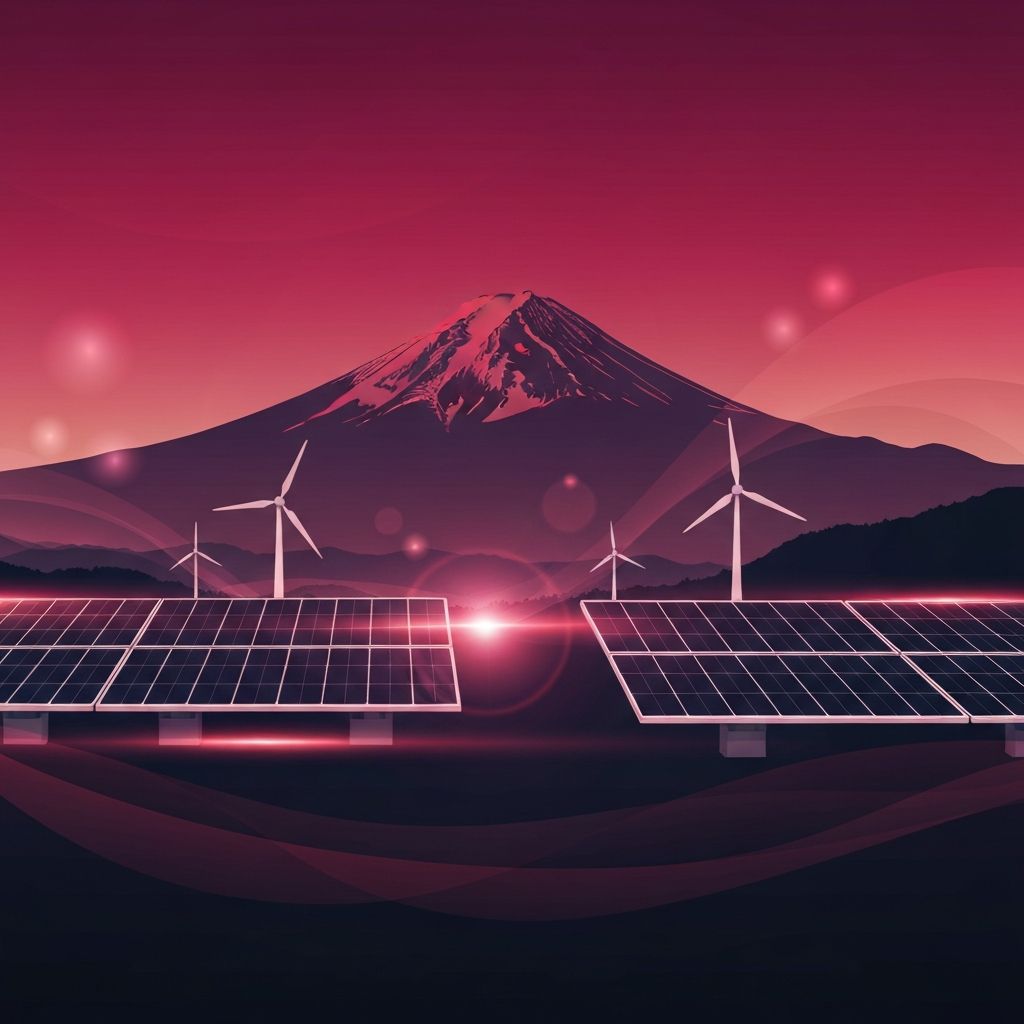
Japan's Renewable Energy Revolution
Japan has been undergoing one of the most ambitious energy transitions in Asia. Following national commitments to reach carbon neutrality by 2050 and reduce greenhouse gas emissions by 46 percent by 2030, both the public and private sectors have rapidly invested in renewable infrastructure. From offshore wind farms in the Tohoku region to expansive solar parks in Kyushu and biomass facilities in Hokkaido, the country is reimagining how electricity is generated, stored, and distributed.
The companies leading this transformation combine deep engineering heritage, financial strength, and a willingness to experiment with emerging technologies such as floating solar, green hydrogen, and grid-scale battery storage. Below are ten of the most influential renewable energy players shaping Japan's clean power landscape.
The Top 10 Renewable Energy Companies in Japan
1. Eurus Energy Holdings
Eurus Energy Holdings is one of the largest renewable energy developers in Japan, with a long track record in wind power. Backed by Toyota Tsusho and TEPCO, the company manages a global portfolio that spans wind, solar, and battery storage. Its domestic operations are central to Japan's offshore wind ambitions.
2. Renova Inc.
Renova is a fast-growing independent power producer focused on biomass, solar, wind, and geothermal projects. The company has built a reputation for delivering complex, large-scale renewable assets, particularly biomass plants that help diversify Japan's energy mix.
3. Shizen Energy
Shizen Energy is known for its mission to provide 100 percent renewable energy across the world. The company develops, builds, and operates solar, wind, and hydro projects, and has expanded into energy retail and digital grid services, making it a key innovator in distributed renewables.
4. West Holdings Corporation
West Holdings is a vertically integrated solar specialist that has expanded into broader renewable services including energy storage, EPC works, and operations and maintenance. Its strong presence in residential and commercial solar makes it a household name in clean energy.
5. Looop Inc.
Looop is a Tokyo-based renewable energy company offering solar power systems and innovative electricity retail plans. Its consumer-friendly approach, including dynamic pricing tied to renewable supply, has made it a popular choice for households seeking greener power.
6. ORIX Corporation
ORIX is a diversified financial services group with a significant renewable energy arm. It has invested heavily in solar, wind, biomass, and geothermal projects, leveraging financial expertise to support Japan's clean energy infrastructure.
7. Mitsubishi Power
A subsidiary of Mitsubishi Heavy Industries, Mitsubishi Power develops advanced technologies for clean energy generation, including hydrogen-ready gas turbines, ammonia co-firing solutions, and large-scale battery storage systems that support renewable integration.
8. Toshiba Energy Systems and Solutions
Toshiba's energy division is a major contributor to Japan's renewable expansion, with offerings spanning geothermal turbines, hydropower equipment, fuel cells, and smart grid technologies that enable the integration of variable renewables.
9. Hitachi Energy Japan
Hitachi Energy delivers grid technologies, HVDC systems, transformers, and digital solutions that strengthen Japan's transmission network. Its expertise is critical for connecting remote renewable assets such as offshore wind farms to high-demand urban centers.
10. Sumitomo Corporation
Sumitomo Corporation is a global trading house with substantial investments in renewable power, including offshore wind, solar, geothermal, and green hydrogen ventures. Its diversified portfolio supports both domestic and international clean energy initiatives.
Industry Trends and Outlook
Japan's renewable sector is increasingly defined by three powerful trends: the rapid rise of offshore wind power along the country's long coastlines, the maturation of grid-scale battery storage as renewable penetration grows, and the emergence of green hydrogen and ammonia as future fuels for industry and shipping. Auctions for offshore wind capacity have attracted intense competition, while corporate power purchase agreements are pushing solar adoption among manufacturers and data centers.
Geographic and regulatory challenges remain. Japan's mountainous terrain, limited flat land, frequent typhoons, and a fragmented grid all complicate large-scale renewable deployment. Yet leading companies are tackling these obstacles with innovative engineering, advanced forecasting tools, and stronger partnerships with local governments and communities.
Conclusion
The ten companies highlighted above represent the depth and diversity of Japan's renewable energy ecosystem, from independent power producers and equipment manufacturers to global trading houses and consumer-focused retailers. As Japan continues its march toward carbon neutrality, these firms will play a defining role in shaping a cleaner, more resilient energy future for the nation and the wider Asia-Pacific region.
