
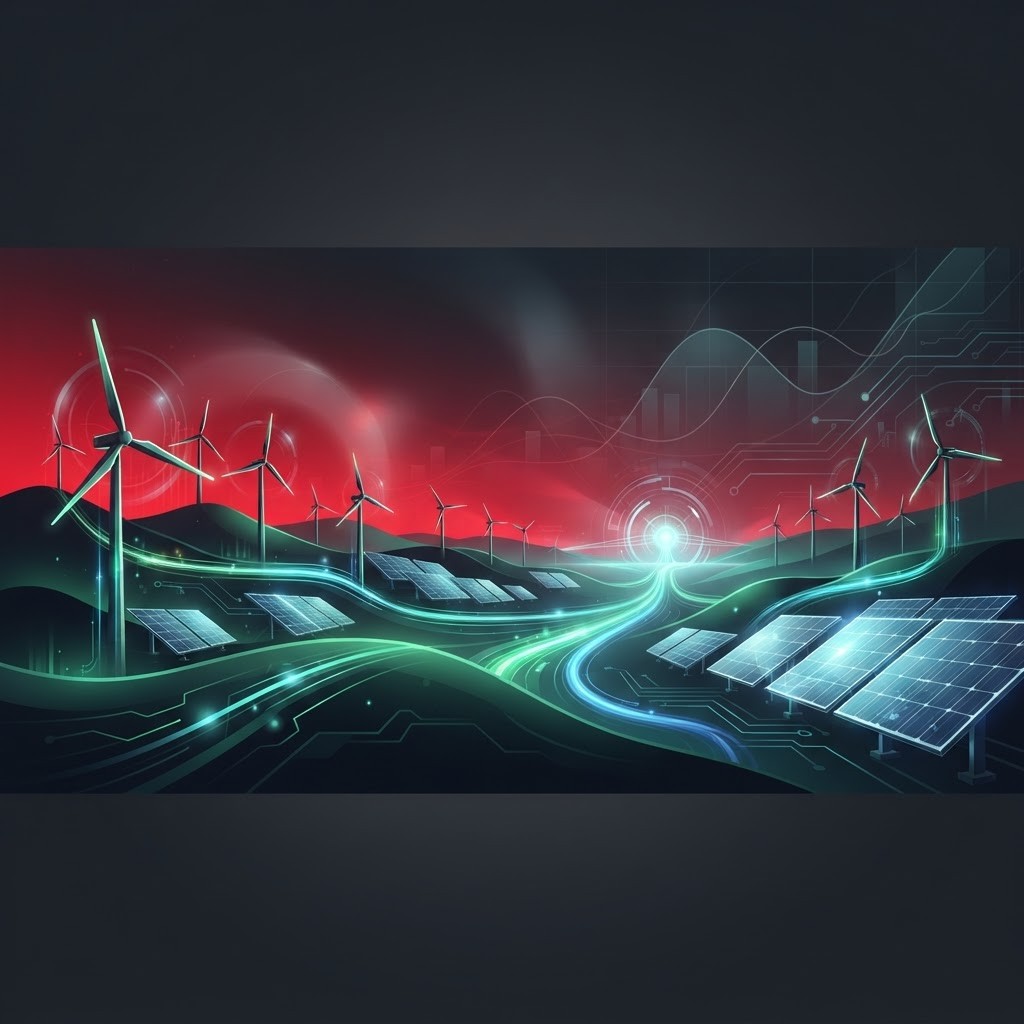
Ireland's Renewable Energy Ambitions
Ireland has set some of the most ambitious climate targets in Europe, aiming to dramatically increase the share of electricity generated from renewable sources. With abundant wind resources, a lengthy coastline, and growing investment in solar and bioenergy, the country is undergoing a profound energy transformation. At the heart of this shift are the renewable energy companies developing, financing, and operating the infrastructure that will power a cleaner future.
These companies are not only helping Ireland reduce its carbon emissions but also creating jobs, attracting investment, and strengthening energy security. The renewable sector has become one of the most dynamic parts of the Irish economy.
Why Renewable Energy Matters
The transition to renewable energy is driven by both environmental necessity and economic opportunity. Renewables reduce dependence on imported fossil fuels, insulate consumers from volatile global energy prices, and support Ireland's commitments under European and international climate agreements. They also position the country to benefit from the rapidly growing global market for clean energy technology and expertise.
The best renewable energy companies combine engineering excellence, financial strength, and a genuine commitment to sustainability. They play a crucial role in delivering the wind farms, solar installations, and grid improvements needed to meet Ireland's targets.
Leading Renewable Energy Companies
ESB, the state-owned electricity company, is a cornerstone of Ireland's renewable transition, investing heavily in wind, solar, and grid infrastructure through its generation and networks businesses. SSE Renewables is another major player, operating significant onshore wind capacity and developing large offshore projects that will be central to Ireland's future energy mix.
Bord na Móna has transformed itself from a peat producer into a renewable energy leader, developing wind farms and green infrastructure across the midlands as part of a landmark just transition. Statkraft, the Norwegian renewables giant, has a strong Irish presence, developing wind and solar projects and providing power market services.
Energia Group is a prominent independent energy company with a substantial renewables portfolio, while Greencoat Renewables invests in operating wind assets across Ireland. Companies such as Coillte, through its energy ventures, and international developers including RWE and EDF Renewables also contribute significantly to the sector's growth.
The Technologies Driving Change
Wind energy remains the backbone of Ireland's renewable sector, with onshore wind farms already supplying a substantial share of electricity. Offshore wind represents the next frontier, with vast potential along the Irish coast set to unlock gigawatts of clean power in the years ahead.
Solar energy is growing rapidly, supported by falling costs and government schemes that encourage both large-scale solar farms and rooftop installations. Bioenergy, battery storage, and green hydrogen are emerging technologies that will complement wind and solar, helping to balance the grid and store energy for when it is needed most.
Trends Shaping the Sector
Several trends are accelerating renewable energy development in Ireland. Government policy, including auction schemes and streamlined planning, is providing greater certainty for investors. Corporate demand for clean power is rising, with major companies signing long-term agreements to source renewable electricity directly from generators.
Grid modernisation is another critical theme, as the network must evolve to handle higher volumes of variable renewable generation. Energy storage and demand-side management are becoming increasingly important, ensuring reliability as the share of renewables grows.
Choosing a Renewable Energy Partner
For businesses and communities seeking to engage with renewable energy, whether through power purchase agreements, local projects, or investment, the choice of partner matters. Established developers with strong track records offer reliability and technical depth. Financial stability, community engagement, and a clear commitment to sustainability are all important considerations.
Community Engagement and Local Benefits
Renewable energy development in Ireland increasingly involves close collaboration with local communities. The best companies recognise that lasting success depends on genuine engagement, transparency, and shared benefits. Many projects now include community benefit funds, which channel investment into local initiatives such as schools, sports facilities, and environmental improvements. Some developments also offer opportunities for local ownership and investment, allowing communities to share directly in the returns from clean energy projects.
This approach helps build trust and support for renewable development, particularly in rural areas where large projects are located. Responsible developers work hard to minimise disruption, protect local environments, and ensure that host communities see tangible, long-term rewards. This partnership model is becoming an essential feature of successful renewable energy projects across the country.
The Path to a Net Zero Future
Ireland's renewable energy companies are central to the nation's journey towards net zero emissions. Achieving this goal will require not only vast amounts of new wind and solar capacity but also significant investment in grid infrastructure, energy storage, and emerging technologies such as green hydrogen. The scale of the challenge is enormous, but so is the opportunity.
By developing clean energy resources, these companies are helping to create a more sustainable, secure, and prosperous future. Their work supports economic growth, generates skilled employment, and positions Ireland as a leader in the global clean energy transition. Sustained policy support and continued innovation will be vital to realising this ambitious vision.
Conclusion
Ireland's renewable energy sector is thriving, powered by a mix of state enterprises, international developers, and innovative independents. Together, these companies are building the clean energy infrastructure that will define the nation's future. As Ireland pursues its climate goals, the leading renewable energy firms will remain at the centre of one of the most important economic and environmental transformations in the country's history.
