
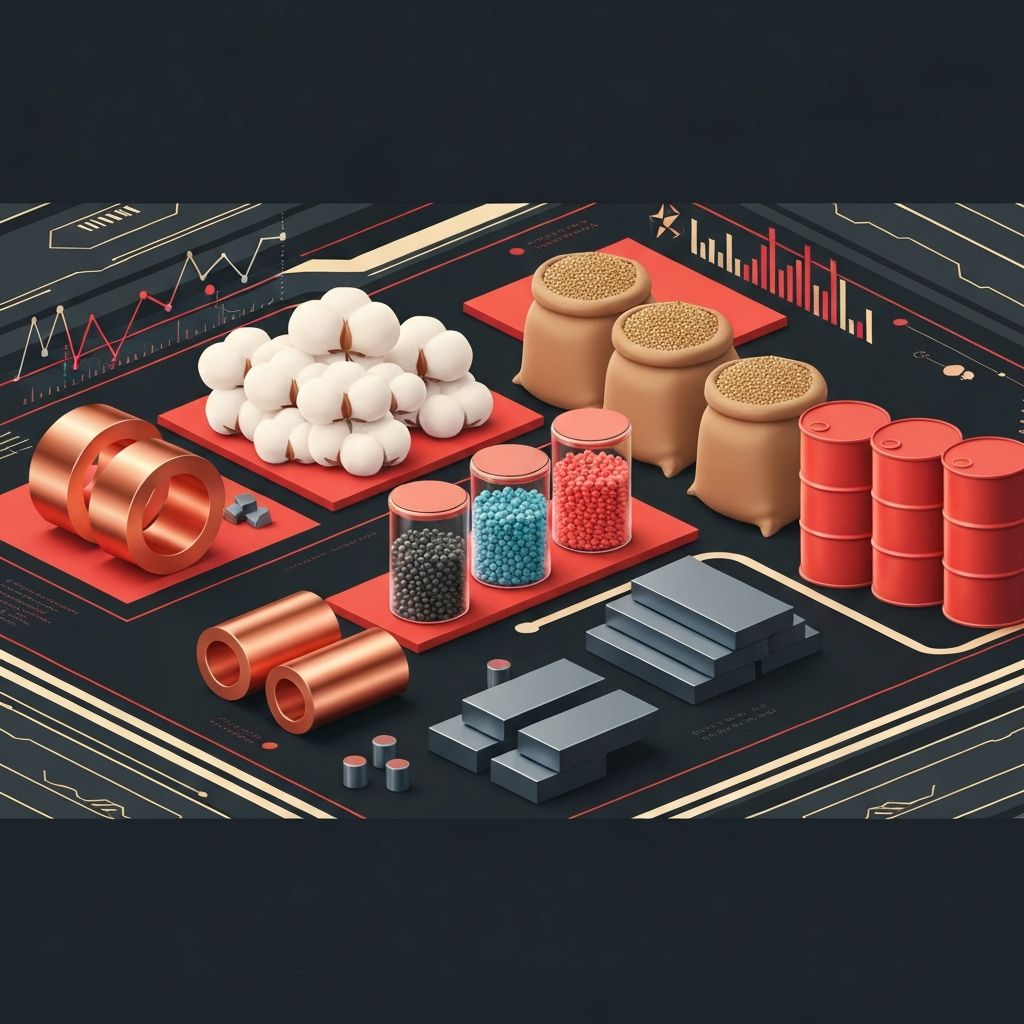
The Backbone of Pakistan's Manufacturing Sector
Raw material suppliers form the invisible foundation of Pakistan's manufacturing industries. From cotton fibers feeding the textile mills of Faisalabad to polymers supplying plastic manufacturers in Karachi, these suppliers ensure the continuous flow of inputs that keep factories running and exports growing. With Pakistan's manufacturing sector contributing significantly to GDP and employment, raw material suppliers are critical national stakeholders.
Why Raw Material Suppliers Are Crucial
Reliable raw material suppliers enable manufacturers to maintain consistent quality, predictable production cycles, and competitive pricing. They handle sourcing, importing, warehousing, and distribution complex tasks that allow manufacturers to focus on value addition. Strong supplier relationships also help businesses navigate global commodity price fluctuations and supply chain disruptions.
1. Engro Polymer and Chemicals
Engro Polymer is one of Pakistan's most important suppliers of PVC, caustic soda, and related chemical products. Its products serve construction, packaging, healthcare, and consumer goods industries, making it a foundational player in the country's chemical value chain.
2. Lotte Chemical Pakistan
Lotte Chemical produces purified terephthalic acid (PTA), a critical raw material for polyester fibers and PET resins. As Pakistan's largest PTA manufacturer, it plays a pivotal role in supplying the textile and packaging industries.
3. ICI Pakistan
ICI Pakistan, part of the Yunus Brothers Group, supplies polyester staple fiber, soda ash, specialty chemicals, paints, and pharmaceutical ingredients. Its diversified portfolio makes it one of the most influential raw material suppliers across multiple industries.
4. Sitara Chemical Industries
Sitara Chemical is a major producer of caustic soda, chlorine, and related industrial chemicals essential to soap, paper, textile, and water treatment industries. Its scale and consistency make it a trusted supplier for both large and mid-sized manufacturers.
5. Fauji Fertilizer Company
Fauji Fertilizer is a leading supplier of urea and other fertilizers vital for Pakistan's agricultural sector. Its wholesale and distribution network ensures availability across rural areas, supporting food security and agribusiness raw material needs.
6. Engro Fertilizers
Engro Fertilizers, another major player, supplies urea, DAP, and specialty nutrients to farmers nationwide. Together with Fauji and other producers, it underpins the country's agricultural raw material supply chain.
7. Cotton Ginners and Brokers of Punjab and Sindh
Pakistan is one of the world's largest cotton producers, and cotton ginners and brokers in cities like Multan, Bahawalpur, and Sukkur supply the country's textile mills with this critical raw material. Their role in price discovery, quality grading, and logistics is fundamental to the textile value chain.
8. Pakistan Steel and Scrap Metal Suppliers
Steel mills, foundries, and engineering manufacturers depend on suppliers of billets, scrap metal, and alloying elements. Companies like Pakistan Steel, Amreli Steels, and various scrap importers form the backbone of metal raw material supply for construction and engineering industries.
9. Plastic Resin and Polymer Suppliers
Specialized importers and distributors supply polyethylene, polypropylene, ABS, and engineering plastics to manufacturers of packaging, automotive parts, household goods, and industrial components. These suppliers manage international procurement, customs clearance, and inventory for hundreds of factories.
10. Food Ingredient and Edible Oil Importers
Food manufacturers depend on raw material suppliers for palm oil, soybean oil, sugar, wheat, milk powder, and food additives. Major importers and refining companies in Karachi and Port Qasim ensure steady supply for the country's growing packaged food, dairy, and confectionery industries.
Industry Trends Driving Raw Material Supply
Several trends are shaping Pakistan's raw material supply industry. Import substitution policies, localization of polymer and chemical production, growth in renewable energy components, and increasing focus on traceable, sustainable raw materials are influencing supplier strategies. Digital procurement platforms, ERP integration with manufacturers, and forward contracts are also becoming common practices.
Quality, Compliance, and Documentation
Raw material quality directly impacts finished product performance, so reputable suppliers maintain ISO certifications, batch testing reports, and proper material safety data sheets (MSDS). For exporters, suppliers offering REACH compliance, food-grade certifications, and traceability documentation are increasingly preferred.
Logistics and Inventory Management
With raw material costs forming a major share of manufacturing expenses, logistics efficiency is critical. Leading suppliers operate strategic warehouses, partner with reliable transport networks, and offer just-in-time delivery to reduce inventory carrying costs for clients. Some also offer vendor-managed inventory (VMI) models for long-term partners.
Choosing the Right Raw Material Supplier
Manufacturers should evaluate suppliers based on quality consistency, technical support, pricing transparency, delivery reliability, financial strength, and compliance documentation. For specialized industries like pharmaceuticals or food, regulatory compliance and traceability often matter more than the lowest price. Long-term partnerships typically reduce risk and improve responsiveness.
Conclusion
Pakistan's raw material supply industry is broad, sophisticated, and central to the country's manufacturing competitiveness. The companies and clusters featured here represent the strength, scale, and diversity of suppliers powering everything from textiles and chemicals to food and metals. Whether you operate a small workshop or a multinational factory, partnering with reputable raw material suppliers ensures product quality, operational stability, and long-term business success.
